





The Congestion at India's Gateways
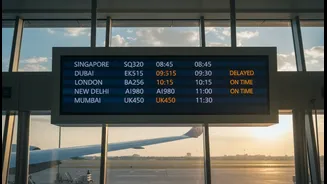
India's aviation market is booming, becoming the world's third-largest by passenger traffic. This explosive growth, however, has led to significant strain on its primary international gateways like Delhi and Mumbai. Congestion, scarce landing slots, and overburdened
infrastructure mean that travelling abroad from a Tier-2 or Tier-3 city often involves a cumbersome domestic flight, a change of terminals, and a lengthy layover. This has created a pressing need to decentralize international air traffic, developing more airports into direct global access points. The government has been actively working to expand the nation's airport network, which has grown from 74 operational airports in 2014 to over 155 today, with a long-term vision for 300 by 2040. This expansion is crucial for distributing traffic and making international travel more accessible for a larger portion of the population.
Indore’s Renewed Global Connection
Indore’s Devi Ahilya Bai Holkar Airport serves as a prime example of a Tier-2 city stepping onto the global stage. After a suspension of several months, the airport is set to resume international operations on July 15 with a new Air India Express service to Abu Dhabi. This flight replaces a previous, less reliable service to Sharjah. While passengers heading to Dubai now face a 140-km road trip from Abu Dhabi, the strategic advantage is significant. Abu Dhabi’s Zayed International Airport is a major global hub, offering streamlined connections to over 80 cities in Europe, North America, and across the Middle East. This allows travellers from across Madhya Pradesh to bypass the congested hubs of Delhi and Mumbai entirely, saving time and simplifying their journey. The move signals growing confidence in the demand from central India and is a crucial step in reducing the region's dependence on larger metropolitan airports for overseas travel.
Navi Mumbai: A New Force in Indian Aviation
While Indore represents the growth of an existing airport, Navi Mumbai International Airport (NMIA) is a game-changer built from the ground up. Set to commence international passenger and cargo operations on July 15, the airport is poised to become a major hub for western India. Airlines like IndiGo and Air India Express are expected to be the first to launch short-haul international routes, likely to Gulf destinations. Having started domestic operations in December 2025, NMIA already handles around 20,000 passengers daily. The goal is to provide a crucial alternative to Mumbai's heavily congested Chhatrapati Shivaji Maharaj International Airport (CSMIA), improving operational efficiency for airlines and offering more choice to passengers. Its modern infrastructure recently earned it a place among the 'World's Most Beautiful Airports' at the 2026 Prix Versailles.
Beyond the Hype: Real-World Hurdles
The headline's caution against "launch-week assumptions" is critical. The success of these new routes and airports depends on more than just inaugural flights. One major challenge is sustaining passenger load factors—the percentage of seats filled. Airlines will only commit to routes long-term if they are consistently profitable. Initial promotional fares may attract travellers, but sustained demand is needed to keep the services viable. Another hurdle lies in bilateral air service agreements, which are treaties that cap the number of flights and seats airlines can operate between two countries. While India is expanding its agreements, particularly with Southeast Asian nations, limitations on popular routes to the Gulf and beyond can stifle competition. For Navi Mumbai, there's also the ongoing local issue regarding the airport's official name, which remains a sensitive point for the community even as operations expand.
What This Means for Your Travel Plans
Ultimately, the success of these developments will be measured by the tangible benefits to passengers. The government has already started an 'Easy Connect' service, a hub-and-spoke model allowing travellers from smaller cities to check in their baggage and clear immigration at their origin airport for seamless international transfers through hubs like Delhi. The growth of direct flights from Indore and the launch of Navi Mumbai take this a step further by eliminating the domestic transfer altogether for many. For a family in Bhopal, it could mean flying directly to Abu Dhabi from Indore instead of routing through Mumbai. For a business traveller in Pune, it might mean choosing a less crowded flight from Navi Mumbai. This creates genuine competition, which can lead to better services and, hopefully, more competitive fares in the long run. It empowers travellers with more direct, convenient, and potentially shorter journey options.