






The Allure and The Unforgiving Reality
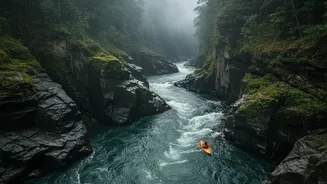
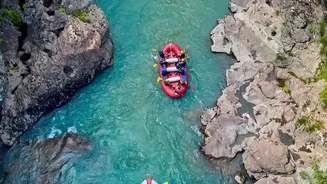
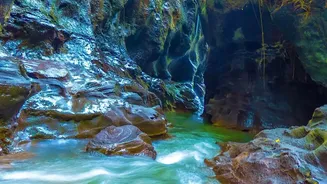
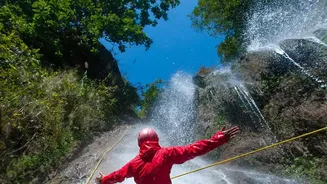
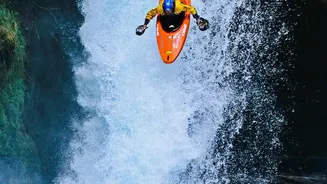
During the monsoon, Meghalaya’s rivers like the Umngot and Kynshi swell into powerful, silt-heavy Class IV and V rapids. The landscape is dramatically beautiful, with waterfalls cascading into deep gorges, but this is an environment for seasoned experts
only. The rains can cause sudden changes in water levels, turning a manageable route into a treacherous torrent within minutes. Local adventure operators stress that underestimating these rivers is a critical mistake; the currents are powerful, visibility can be poor, and hazards like submerged rocks and trees (strainers) become serious risks. The famously clear waters of winter become muddy and opaque, making it impossible to read the riverbed. This is not a place for beginners or casual paddling.
Your Personal Protective Equipment
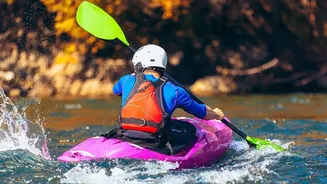
Your safety starts with what you wear. A high-quality whitewater helmet is non-negotiable to protect against impacts with rocks. A Coast Guard-approved, high-buoyancy Personal Flotation Device (PFD), or life jacket, designed specifically for whitewater is mandatory. It must fit snugly. Depending on the conditions, a wetsuit or dry suit is essential for thermal regulation to prevent hypothermia, as even warm-looking water can drain body heat rapidly. Sturdy footwear with excellent grip is crucial for scouting rapids and navigating slippery riverbanks. Finally, a reliable river knife and a loud whistle are small but vital tools for emergency situations and communication.
Kayak and Paddle Inspection
Before launching, your craft must be thoroughly inspected. Ensure your kayak has no cracks or significant damage that could compromise its integrity in powerful water. Flotation bags should be installed and fully inflated in the stern and bow to prevent the boat from filling with water and sinking if you exit. Check that your spray skirt fits tightly around you and the cockpit coaming to keep water out. Your paddle should also be in excellent condition, with no cracks in the shaft or blades. A spare, collapsible paddle is highly recommended for any remote trip, as losing your primary paddle can leave you in a dire situation.
Group Safety and Rescue Gear
Never paddle alone, especially in monsoon conditions. Your group is your primary safety net. Every member of the team should carry and know how to use essential rescue equipment. A throw rope is a fundamental piece of rescue gear for retrieving swimmers from the water. Each paddler should also have a small kit with carabiners, prusik loops, and webbing for setting up mechanical advantage systems in a rescue scenario. A comprehensive, waterproof first-aid kit is essential, and at least one person in the group should have Wilderness First Responder (WFR) or equivalent medical training. Before you get on the river, have a detailed safety briefing covering hand signals, rescue protocols, and the day's plan.
The Human Element and Final Checks
The most important safety check is an honest assessment of your own skills and your group's collective ability. Are you truly ready for Class V conditions? Is every member of your team practiced in self-rescue and T-rescues? Before launching, check the weather forecast and consult local guides who possess invaluable knowledge of the river's behaviour. Inform someone on land of your float plan, including your put-in, take-out, and expected return time. Finally, do not consume alcohol before or during your trip. Your judgment, strength, and coordination must be unimpaired. When in doubt, always opt to scout a rapid from the bank or portage (carry your boat) around it.