




The Big Picture: eVisas vs. ETAs
The United Kingdom has been digitizing its borders, which has introduced two key terms: eVisa and Electronic Travel Authorisation (ETA). It is vital to understand that they are not the same thing. The ETA is a digital permission to travel for nationals
from countries who do not need a visa for short stays, such as the US, Canada, Australia, and EU nations. For Indian passport holders, the situation is different. India is a 'visa national' country, which means its citizens are not eligible for the ETA scheme. Therefore, Indian travellers must still apply for a visa, which is now issued as an eVisa.
What is an eVisa for Indian Travellers?
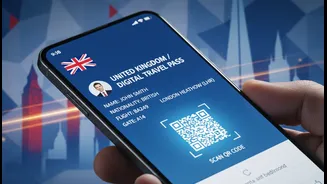
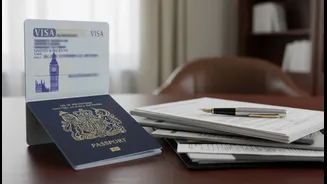
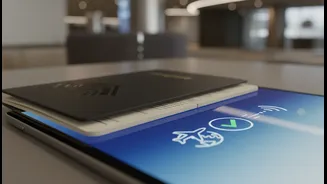
As of February 2026, the UK has stopped using physical visa stickers (vignettes) in passports for Indian applicants. Instead, your permission to travel is granted digitally as an eVisa. This eVisa is electronically linked to your passport. When you check in for your flight and at UK immigration, officials will scan your passport to verify your digital visa status. This move is designed to make the process more secure and streamlined, as an eVisa cannot be lost or stolen like a physical document. The application process itself remains largely the same, requiring an online form and a visit to a visa application centre for biometrics, but you will no longer have to leave your passport with the authorities during processing.
What is an Electronic Travel Authorisation (ETA)?
The ETA is a light-touch, pre-travel clearance for visitors who don't need a visa. It costs £20, is valid for two years, and allows for multiple visits of up to six months. The application is done online or via an app, and decisions are usually made within three working days. It’s important to reiterate that this system does not apply to Indian citizens travelling from India for tourism or business. The scheme was rolled out in phases, starting with Gulf countries and later expanding to include nations like the US, Canada, and European countries by early 2025. India has not been included in any phase of this rollout.
The Correct Process for Indian Citizens
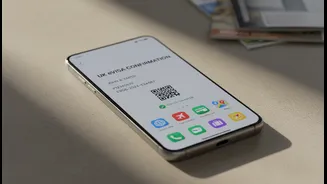
For a standard visit (tourism, visiting family, short business trips), Indian citizens must apply for a Standard Visitor visa. The process involves filling out an extensive online application on the official UK government website, paying the visa fee, and booking an appointment at a VFS Global centre to submit biometric information (fingerprints and a photograph). Once approved, you will receive an email confirmation, and your eVisa will be linked to your passport. You will not receive a sticker in your passport. You must create a UK Visas and Immigration (UKVI) online account to access and manage your eVisa details. It's crucial to keep your passport details updated in your UKVI account, especially if you renew your passport.
Clearing Up Transit Confusion
Some news reports have created confusion by suggesting Indians may need both a visa and an ETA. This is generally incorrect for a standard visit. The confusion often arises around transit rules. The ETA is required for eligible non-visa nationals who are transiting 'landside' in the UK, meaning they will pass through border control. Since Indian nationals require a visa to enter the UK anyway, the standard visa rules for transit apply, which may require a specific Visitor in Transit visa depending on the circumstances, not an ETA.
Smart Traveller Checklist
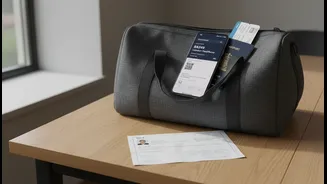
To ensure a smooth process, follow these steps. First, always use the official gov.uk website for your visa application to avoid third-party sites that may charge extra. Second, apply well in advance of your travel dates, as processing times can vary. Third, once your eVisa is granted, create your UKVI account immediately and check that all details, especially your passport number, are correct. Finally, although the visa is digital, it is wise to carry a printout of your eVisa confirmation email when you travel, just in case.