


The Nutritional Showdown
When you place these two puffs side-by-side, their nutritional profiles tell very different stories. Puffed rice is famously low in calories, making it a popular base for light snacks. A standard cup contains significantly fewer calories than the same
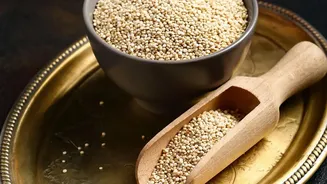
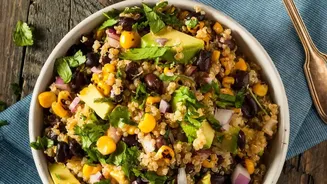
volume of quinoa puffs. However, this is where its advantages begin to wane. Puffed rice offers minimal protein and dietary fibre, acting more as a crunchy, airy filler.Quinoa puffs, on the other hand, are a nutritional powerhouse. Derived from the quinoa seed, they are a source of complete protein, meaning they contain all nine essential amino acids. This is rare in the plant kingdom and makes them an excellent choice for vegetarians and anyone looking to boost their protein intake. They also deliver a much healthier dose of fibre, which is crucial for digestive health and feeling full for longer. While quinoa puffs are higher in calories and fat, these are a reflection of their denser nutrient content, including minerals like iron and magnesium.
From Grain to Puff
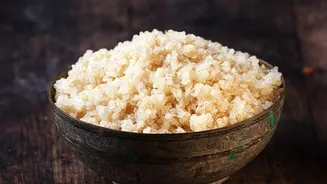
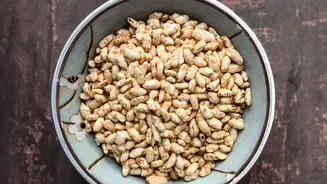
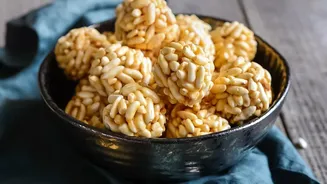
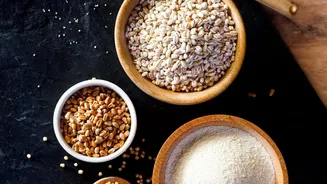
Both snacks get their signature airy texture through a process called puffing, but their origins differ. Puffed rice starts with rice grains that are cooked and then subjected to high pressure and heat. This causes the moisture trapped inside the grain to instantly turn to steam, expanding the kernel dramatically. The result is a light, white, and crispy morsel with a very neutral flavour.Quinoa puffs are made from tiny quinoa seeds. The process is similar, involving heat and pressure to make the seeds pop, much like popcorn. However, because quinoa seeds are much smaller and denser than rice grains, the resulting puffs are smaller, more compact, and retain more of their original nutty, earthy flavour. This manufacturing difference is key to their distinct textures and how they perform in recipes.
Blood Sugar and Energy Release
How your body processes a snack is just as important as its calorie count. This is where the glycemic index (GI) comes into play—a measure of how quickly a food raises blood sugar levels. Puffed rice has a notoriously high glycemic index. This means it is digested rapidly, leading to a quick spike in blood sugar and insulin, which is often followed by a crash. This can leave you feeling hungry again shortly after eating.Quinoa has a much lower glycemic index. Thanks to its higher protein and fibre content, quinoa puffs are digested more slowly, providing a more stable and sustained release of energy. This helps in managing blood sugar levels, preventing energy slumps, and promoting satiety. For individuals managing their blood sugar or looking for a snack to keep them powered through the afternoon, quinoa puffs are the clear winner in this regard.
Taste, Texture, and Versatility
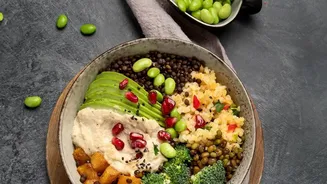
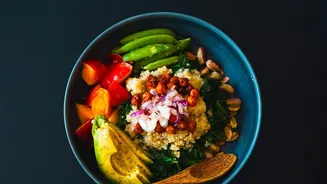
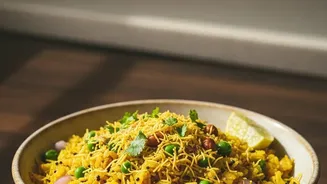
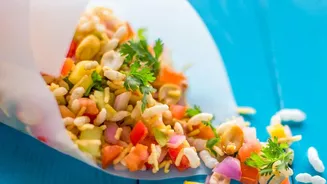
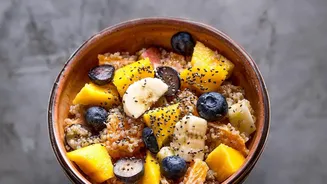
In the kitchen, their differences create distinct uses. Puffed rice is incredibly light, airy, and has a neutral taste that makes it a perfect blank canvas. It is the star of classic Indian snacks like bhel puri and jhalmuri, and is also used to make low-calorie rice cakes and crispy treats. Its job is to provide crunch without overpowering other ingredients.Quinoa puffs offer a denser, more substantial crunch and a distinct, slightly nutty flavour. They don't disappear into a dish the way puffed rice can. This makes them an excellent topping for yoghurt, smoothie bowls, and salads, where they add both texture and flavour. They can also be seasoned and eaten on their own as a high-protein snack or used as a healthier, crunchier breading for chicken or fish. Their robust texture holds up better to moisture, preventing them from becoming soggy too quickly.
The Gluten-Free Factor
For those with gluten sensitivities or celiac disease, there is good news on both fronts. Both rice and quinoa are naturally gluten-free grains (technically, quinoa is a pseudocereal or seed). Therefore, both puffed rice and quinoa puffs are excellent gluten-free options. However, as with any processed food, it is crucial to check the packaging for a certified gluten-free label. Cross-contamination can occur in facilities that also process wheat, barley, or rye, so always verify the source if you have a serious intolerance.