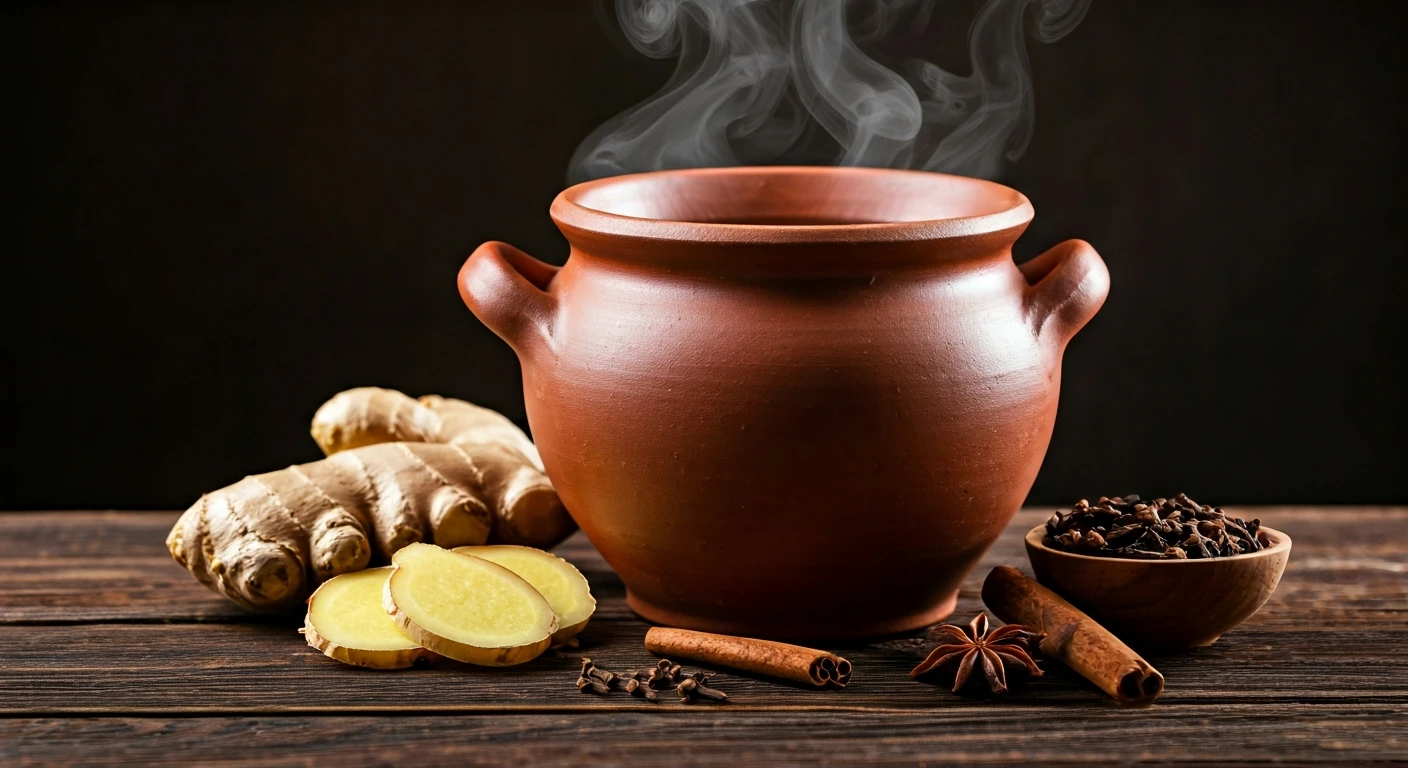






What Exactly Is Kadha?
Kadha, also known as 'kashayam', is not just another herbal tea. It's a traditional Indian decoction with deep roots in Ayurveda. The word itself refers to a process of boiling herbs and spices in water to extract their potent medicinal properties. Think
of it as a concentrated wellness shot, simmered with care and intention. For generations, this simple, aromatic brew has been the first line of defence in Indian households against common ailments. It’s the comforting drink your grandmother made, a liquid hug that signals care and promises relief without the need for complex ingredients or equipment. Its magic lies in the synergy of everyday kitchen spices, each contributing a specific benefit.
The Monsoon-Kadha Connection
Why does Kadha become so popular when the skies turn grey? The monsoon season, while beautiful, brings a spike in humidity and fluctuating temperatures, creating a perfect breeding ground for viruses and bacteria. This is when our immunity is often put to the test, leading to a rise in common colds, coughs, sore throats, and flu. Kadha steps in as a preventative and palliative measure. The warmth of the drink provides immediate comfort to a scratchy throat, while its potent ingredients are traditionally believed to help bolster the body's natural defences, reduce inflammation, and clear congestion. It’s a seasonal ritual that aligns ancient wisdom with a very modern need: staying healthy and productive during the damp, chilly months.
A Look at the Powerhouse Ingredients
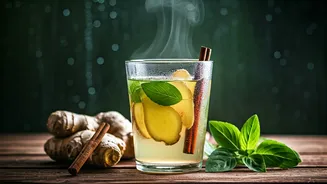
The beauty of Kadha lies in its adaptable recipe, but a few core ingredients are almost always present, each a hero in its own right. **Tulsi (Holy Basil):** Revered in Ayurveda, Tulsi is an adaptogen known for its antibacterial and antiviral properties. It’s often called the “Queen of Herbs” for its perceived ability to help the body combat stress and illness. **Adrak (Ginger):** The spicy kick of ginger comes from gingerol, a compound with powerful anti-inflammatory and antioxidant effects. It’s a go-to for soothing nausea and fighting respiratory infections. **Kali Mirch (Black Pepper):** More than just a seasoning, black pepper is rich in piperine, which not only has anti-inflammatory benefits but also enhances the absorption of other nutrients, making the entire Kadha more effective. **Laung (Cloves):** These tiny flower buds are packed with antioxidants and have antiseptic properties, making them excellent for soothing sore throats and easing coughs. **Dalchini (Cinnamon):** Prized for its sweet, warming aroma, cinnamon is loaded with antioxidants and is believed to have anti-inflammatory properties that help fight infections.
How to Brew the Perfect Kadha
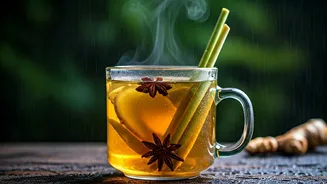
Ready to make your own comforting cup? It's incredibly simple. This basic recipe serves one to two people. **Ingredients:** - 2 cups of water - 4-5 Tulsi leaves - 1-inch piece of ginger, freshly grated - 3-4 black peppercorns, lightly crushed - 2 cloves, lightly crushed - 1/2-inch stick of cinnamon - Honey or jaggery, to taste (optional) **Instructions:** 1. Combine the water, Tulsi leaves, grated ginger, crushed peppercorns, cloves, and cinnamon stick in a small saucepan. 2. Bring the mixture to a boil over medium-high heat. 3. Once boiling, reduce the heat to low and let it simmer for 10-15 minutes. The water should reduce to about half its original volume, becoming a concentrated, fragrant decoction. 4. Strain the liquid into a mug. 5. If using, stir in honey or jaggery. It’s important to add honey only after the Kadha has cooled slightly, as boiling honey can alter its beneficial properties.
Customise Your Cup of Comfort
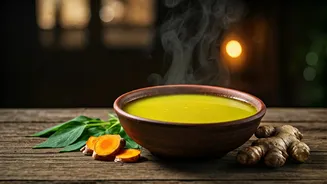
The best Kadha is the one that works for you. Don't be afraid to adjust the ingredients based on your taste and what you have on hand. If you have a dry cough, adding a pinch of turmeric can be soothing. A squeeze of fresh lemon juice at the end can provide a welcome dose of Vitamin C and brighten the flavour. Some recipes also include cardamom for its aroma or mulethi (liquorice root) for its throat-soothing properties. The goal is to create a brew that you find both effective and enjoyable, turning a remedy into a relaxing ritual.