





The Heart of Navigation: A Matter of Time
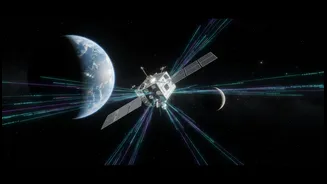
At the core of every Global Navigation Satellite System (GNSS), including the familiar GPS, is incredibly precise timekeeping. Satellites broadcast signals, and a receiver on the ground calculates its position by measuring the time it takes for those
signals to arrive from multiple satellites. The accuracy of this calculation depends entirely on the accuracy of the clocks on board those satellites. These are not ordinary clocks; they are atomic clocks, which use the vibrations of atoms to measure time with extraordinary stability. For decades, these space-based clocks have been highly effective, but also relatively large, heavy, and power-hungry, akin to the size of a small refrigerator. This has limited their application and created a reliance on a two-way communication system with ground stations to maintain their accuracy over long periods.
A Toaster-Sized Revolution
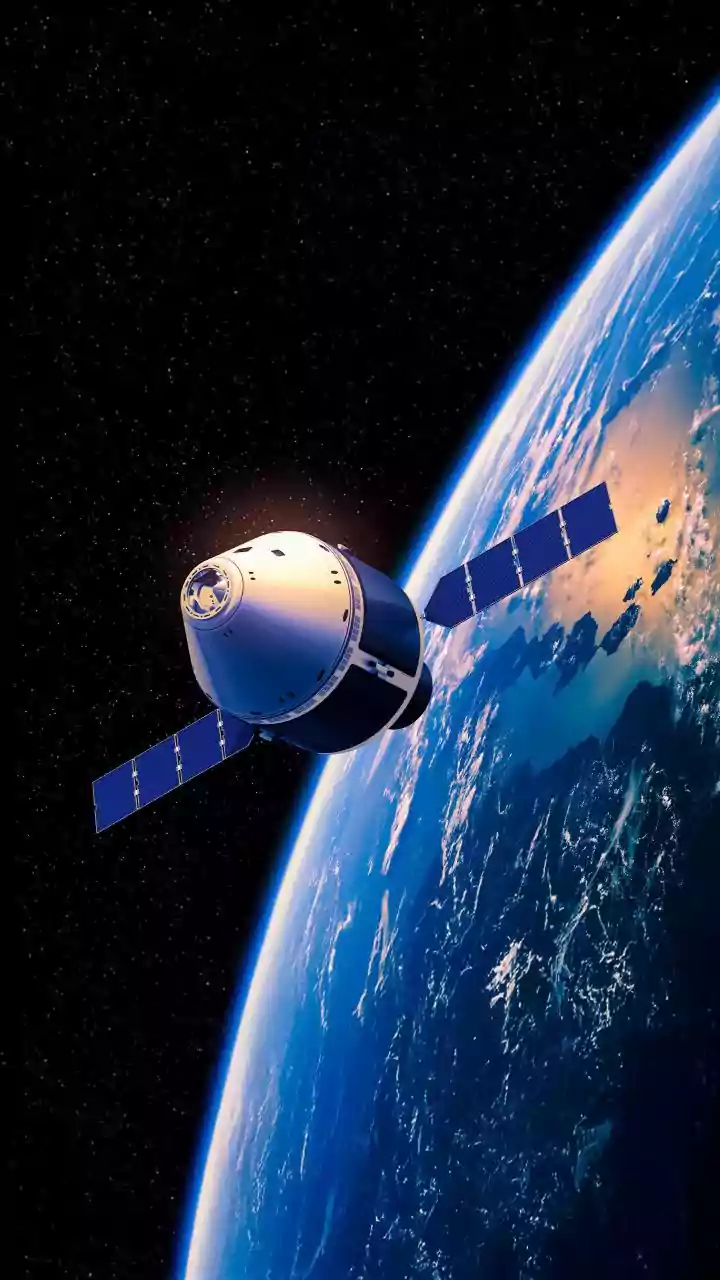
The next leap forward comes in a much smaller package. Researchers and space agencies like NASA are perfecting compact atomic clocks that are significantly smaller, lighter, and more power-efficient than their predecessors. NASA’s Deep Space Atomic Clock (DSAC), for example, is roughly the size of a four-slice toaster. The initial DSAC mission, which concluded in 2021 after two years in orbit, proved to be a resounding success, demonstrating stability more than ten times greater than the clocks currently used in GPS satellites. This miniaturization is a game-changer. It allows these high-precision instruments to be included on smaller, more numerous satellites, including those in low-Earth orbit (LEO), and even on deep space probes. The next generation, DSAC-2, is planned to be even smaller and is slated to fly on a mission to Venus, pushing the boundaries of autonomous navigation.
Strengthening the Network
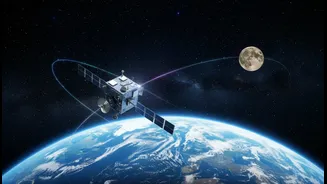
So, how does making clocks smaller strengthen navigation? The benefits are manifold. First is resilience. A greater number of satellites equipped with their own ultra-stable clocks creates a more robust and redundant network. If one system or a few satellites fail, or if signals are blocked in dense urban environments, receivers can seamlessly switch to other available signals, ensuring continuous service. This increased satellite availability directly translates to better performance and faster position fixes, which is critical for emergency services and autonomous vehicles. Second, it improves accuracy. With more stable clocks and the potential for more signals from different constellations (like GPS, Galileo, GLONASS, and BeiDou), positioning precision is expected to improve from the meter-level to the centimeter-level. This opens the door for advanced applications in precision agriculture, construction, and drone navigation.
Beyond Earth's Orbit
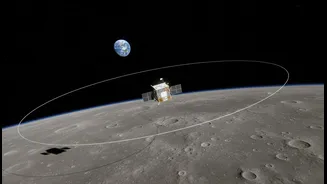
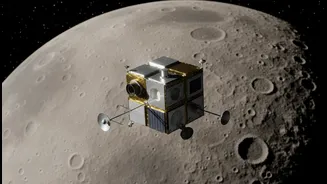
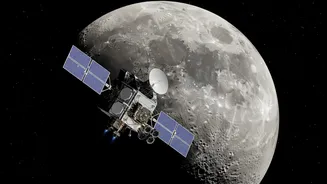
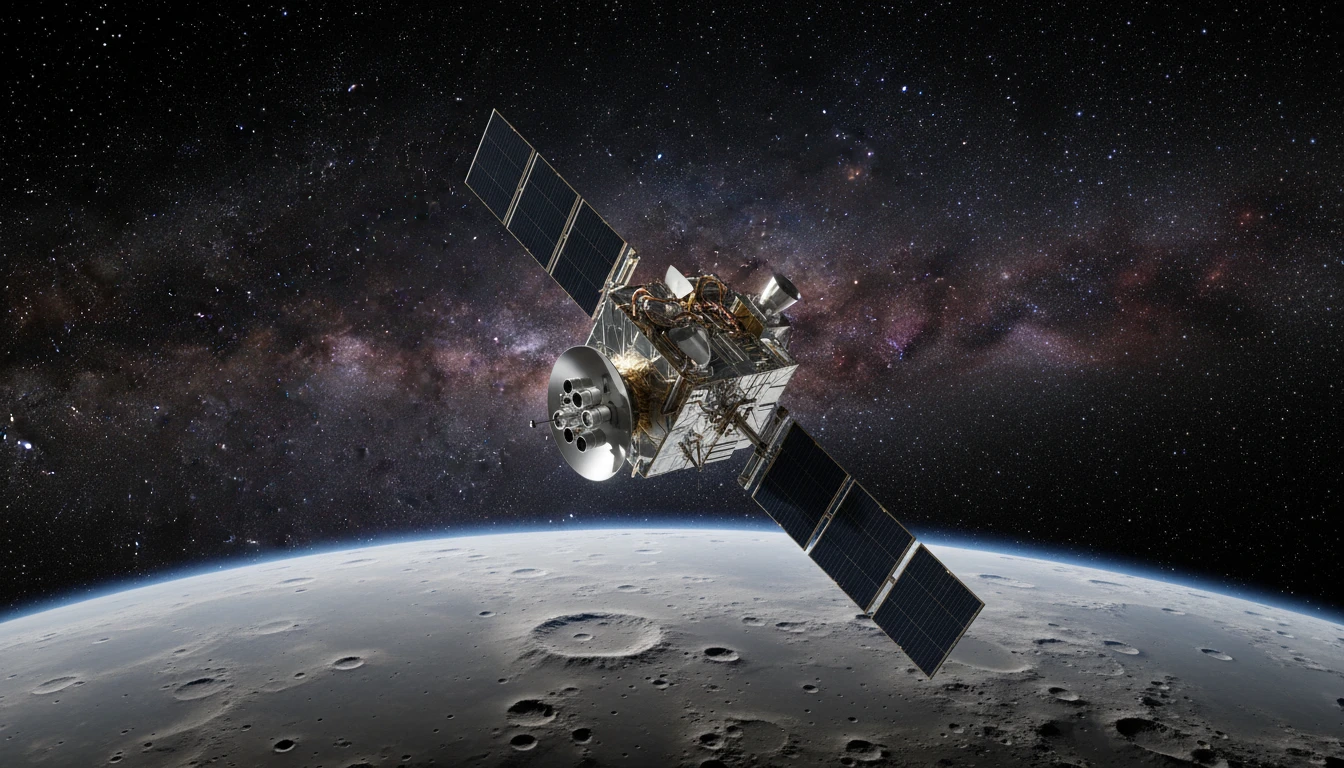
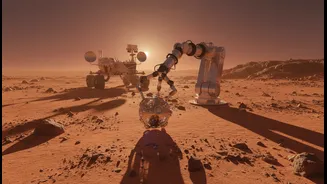
The development of compact atomic clocks isn't just about improving your car's navigation. It's fundamental to the future of space exploration. For deep space missions to Mars and beyond, the communication delay with Earth can be hours long. Equipping spacecraft with their own highly stable atomic clocks allows them to navigate autonomously, calculating their own position and trajectory without waiting for instructions from Earth. This capability, known as one-way navigation, makes exploration more efficient and enables quicker reactions to time-critical events like landing on another planet. NASA's plan to test DSAC-2 on the VERITAS mission to Venus is a key step toward making this vision a reality, potentially establishing GPS-like navigation systems around the Moon and Mars.
The Path Forward
While the technology has been successfully demonstrated, widespread implementation is the next hurdle. Integrating these new compact clocks into future satellite launches, from government-run constellations to commercial LEO networks, will be a gradual process. Furthermore, this evolution is part of a broader trend that includes integrating AI for smarter network management and using new inter-satellite laser communications to reduce reliance on ground stations. The goal is to build a truly global system of systems that is more accurate, resilient to interference or jamming, and capable of supporting a new generation of technologies. From safer autonomous driving in our cities to enabling humanity's sustained presence on other worlds, the future of getting from point A to point B is being redefined by these remarkably small but powerful devices.