




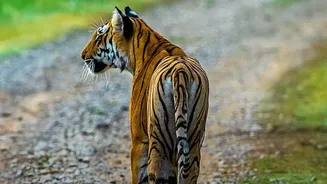
As winter settles across India, the country’s diverse wilderness transforms. For those willing to embrace the crisp air, national parks offer unique and often clearer wildlife encounters, from classic tiger trails to rare high-altitude treks.
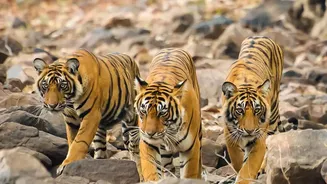
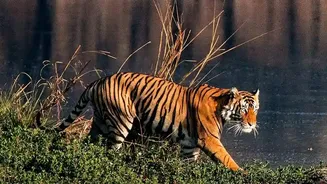
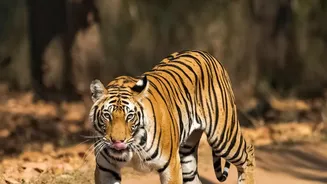
For the Royal Bengal Tiger: Jim Corbett National Park, Uttarakhand
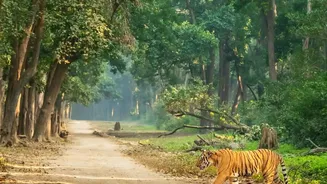
India's oldest
national park becomes a prime tiger-spotting destination in winter. The cool, pleasant weather, with daytime temperatures between 12°C and 22°C, makes for comfortable safaris. More importantly, the thinning vegetation and dry grasslands mean visibility is significantly improved. Tigers, along with elephants and deer, are often found basking in the winter sun to warm themselves, increasing the chances of a memorable sighting. Early morning safaris offer a magical experience, with mist hanging low over the sal forests and riverbeds of the Ramganga. Winter is also an excellent time for birdwatching in Corbett, as many migratory species join the park's resident birds. The park's varied landscapes, from dense forests to open grasslands known as 'chaurs', provide a stunning backdrop for wildlife photography in the clear, gentle light.
For the Great One-Horned Rhino: Kaziranga National Park, Assam
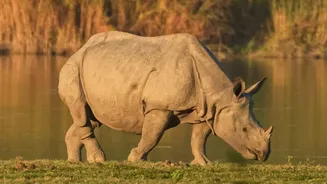
A UNESCO World Heritage Site, Kaziranga is synonymous with the greater one-horned rhinoceros. The winter months, from November to February, are widely considered the best time to visit. During this period, the climate is cool and dry, and the park, which is often closed during the monsoon due to flooding, is fully accessible. A key advantage of a winter visit is that the tall elephant grass is often burnt back or dies down, making it much easier to spot the park's famed 'Big Five': rhinos, tigers, elephants, wild water buffalo, and swamp deer. Jeep and elephant safaris through the wetlands and grasslands become particularly rewarding. Kaziranga also transforms into a paradise for birdwatchers in winter, welcoming large flocks of migratory birds from Central Asia and Siberia that flock to its water bodies.
For the Avian Spectacle: Keoladeo National Park, Rajasthan
For a different kind of safari, one filled with the sound of thousands of wings, Keoladeo National Park (formerly Bharatpur Bird Sanctuary) is unparalleled. This UNESCO World Heritage Site is a man-made wetland that becomes one of the world's most important bird wintering grounds. From November to February, the shallow marshes and lakes teem with life as countless migratory birds arrive from Siberia, Europe, and Central Asia to escape the harsh northern winters. Visitors can expect to see huge flocks of bar-headed geese, northern pintails, common teals, and various species of storks and eagles. The park's flat terrain and network of trails make it easily explorable by foot, bicycle, or cycle-rickshaw, offering intimate and close-up views of the avian drama. While its most famous visitor, the Siberian crane, is now rarely seen, the sheer density and diversity of birdlife make it an essential winter experience for any nature lover.
For the Elusive Snow Leopard: Hemis National Park, Ladakh
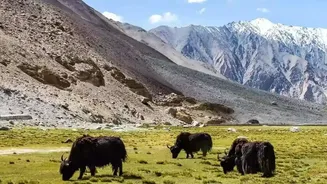
This is not a typical jeep safari, but a true winter expedition for the adventurous. Hemis National Park in Ladakh is renowned as one of the best places in the world to spot the elusive snow leopard. The harsh winter, from January to March, is the prime season for this trek. During these months, the intense cold and snow drive the snow leopard and its primary prey, like the blue sheep (bharal), down from the high peaks into the lower, more accessible valleys. The journey involves trekking at high altitudes (around 3,800-4,000 meters) in sub-zero temperatures, often spending hours with expert local trackers scanning the rocky ridges. While sightings are never guaranteed, the chances are higher here than almost anywhere else. The experience of tracking the 'Ghost of the Mountains' amidst the stark, breathtaking beauty of the Ladakhi winter landscape is, in itself, an unforgettable adventure.