



Prioritise a Thorough Visual Inspection
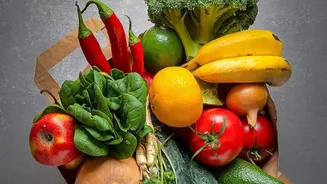
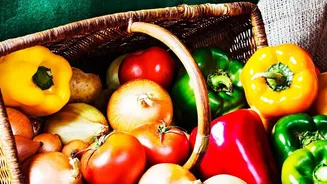
Your first line of defence is a careful visual check. Before you buy, inspect vegetables for signs of spoilage that are more common in damp weather. Look for produce that is firm, brightly coloured, and free from bruises, cuts, or soft spots. Avoid anything
that looks slimy, mouldy, or has visible decay. During the monsoon, high humidity accelerates the growth of bacteria and fungi, so even small blemishes can be a sign of deeper rot. Pay extra attention to vegetables that have been sitting in waterlogged crates or directly on wet surfaces, as they are more likely to be contaminated. A strong, unpleasant, or foul odour is another clear red flag to walk away, no matter how tempting the price.
Be Wary of Leafy Greens
Leafy vegetables like spinach (palak), cabbage, and lettuce are particularly risky during the rainy season. Their large surface area and many folds can easily trap mud, dirt, germs, and even small insects that are difficult to wash away. Since they grow close to the ground, they are often in direct contact with contaminated soil and floodwater. Even with thorough washing, eliminating all hidden bacteria and potential parasites can be challenging. If you do buy leafy greens, check for crisp leaves rather than slimy ones and look for any signs of yellowing or rot. It is safest to avoid consuming them raw in salads and ensure they are cooked very well to kill any harmful pathogens.
Inspect Cruciferous Vegetables Closely
Vegetables like cauliflower and broccoli require extra scrutiny during the monsoon. Their tightly packed florets are excellent at trapping moisture, mud, and insects, making them notoriously hard to clean properly. This trapped moisture creates a perfect breeding ground for mould and fungi to grow inside the head of the vegetable, which may not be immediately visible. Consuming these without meticulous cleaning and proper cooking can lead to digestive issues or infections. When buying, gently pull apart some of the florets to check for any hidden dirt, pests, or dark spots that indicate decay.
Avoid Pre-Cut Vegetables
While convenient, pre-cut vegetables and fruits sold in packets or on open trays are best avoided during the monsoon. The combination of high heat and humidity drastically shortens their shelf life and allows bacteria to multiply much faster. Once the protective outer skin of a vegetable is broken, it becomes highly susceptible to contamination from the air, handling, and surrounding environment. This risk is magnified in damp conditions. It is always safer to buy whole produce and cut it yourself at home just before you are ready to cook.
Favour Monsoon-Friendly Vegetables
Instead of focusing only on what to avoid, embrace the vegetables that thrive during the rainy season. Gourds like lauki (bottle gourd), karela (bitter gourd), and turai (ridge gourd), along with produce like bhindi (okra) and beans, are generally considered safer choices. These vegetables often grow on vines well above the waterlogged ground, reducing their exposure to soil contaminants. They also tend to have a natural resistance to the fungal infections that are common during this time. Opting for these seasonal vegetables ensures you are getting fresh, locally available produce that is better suited to the climate.
Rethink Your Shopping and Storage Habits
During the monsoon, it’s wise to adjust how you shop and store vegetables. Buying in bulk is not a good idea, as produce spoils much faster. Purchase smaller quantities that you plan to use within a few days to minimise waste and ensure freshness. Once home, proper storage is crucial. Don't wash vegetables before storing them, as the extra moisture will accelerate decay. Keep them in breathable bags in the refrigerator to allow for air circulation. Root vegetables like potatoes and onions should be kept in a cool, dry, and dark place, away from the fridge. Always store raw vegetables separately from cooked food to prevent cross-contamination.
Adopt a Rigorous Cleaning Routine
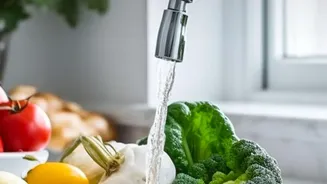
Before cooking, all vegetables should be washed thoroughly under clean, running water. For leafy greens, it's recommended to soak them in a bowl of water, perhaps with a little salt or vinegar, for about 15 minutes before rinsing them again. This helps dislodge dirt and microbes from the crevices. Always wash produce before peeling or cutting it to prevent transferring surface contaminants onto the flesh. Use clean knives and chopping boards, and ensure you wash your hands before and after handling the vegetables. Thoroughly cooking your vegetables is one of the most effective ways to kill any lingering harmful bacteria and make them safe to eat.