






The Epidemic of Digital Burnout
India's tech industry is booming, but it comes at a cost. A culture of overwork has become the norm, with recent surveys revealing a stark reality. One 2025 survey found that 83% of Indian IT professionals report suffering from burnout, with 72% regularly
working beyond the legal 48-hour week. This relentless pace is fueled by an 'always-on' expectation, where 68% of employees feel obligated to respond to work messages after hours. The result is a workforce that is mentally and emotionally exhausted, perpetually connected to screens and starved for a genuine break. This state of chronic stress has pushed many to seek more than just a typical holiday; they're searching for a complete system reset.
The Gentle Pull of Slow Travel
Enter slow travel, a movement that prioritises connection over checklists. Instead of rushing through multiple destinations, the goal is to immerse oneself in a single place, embracing the local culture, environment, and pace of life. This approach is a direct antidote to the high-pressure, efficiency-driven mindset of the tech world. It’s not about seeing everything, but about truly experiencing something. For burnt-out professionals, the appeal is profound. It offers a rare opportunity to disconnect from the digital world and reconnect with the physical one, swapping productivity metrics for presence and mindfulness. Travel is shifting from an escape to a form of maintenance for mental well-being.
Discovering the Majestic Brahmaputra
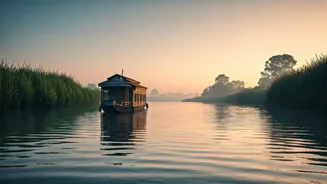
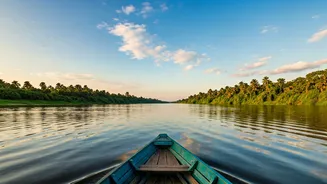
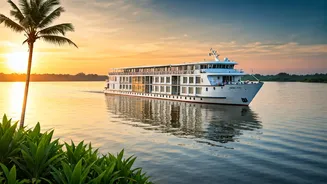
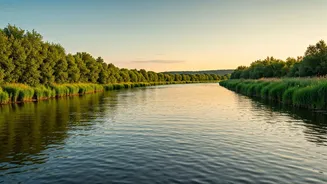
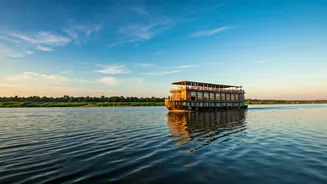
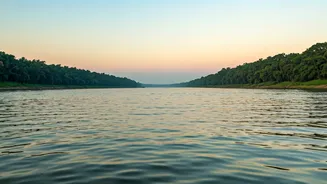
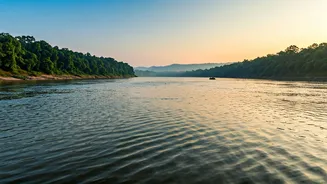
The Brahmaputra is more than a river; it's a life force. Originating in the Himalayas, this mighty river carves its way through Assam, creating a vast, ever-changing landscape of sandbars, islands, and fertile plains. A cruise here is a journey into a part of India that remains largely untouched by mainstream tourism. The sheer scale of the river, sometimes appearing as wide as an inland sea, inspires a sense of awe that puts daily worries into perspective. Its banks are home to ancient temples, serene monasteries, and vibrant tribal villages, offering a glimpse into a way of life that moves with the rhythms of nature, not the demands of a calendar.
Life on a River Cruise: A True Disconnect
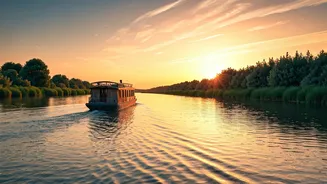
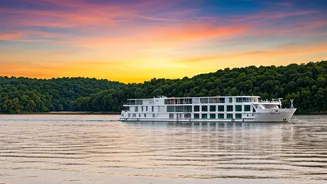
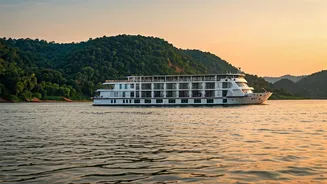
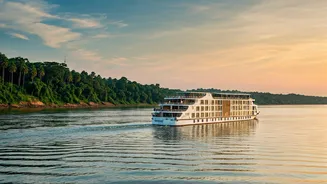
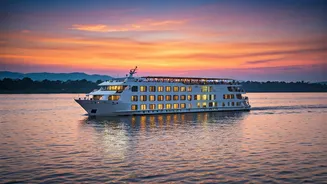
Life aboard a Brahmaputra cruise is intentionally unhurried. The journey itself is the destination. Days are spent watching the scenery glide by from the deck, with no pressure to do anything but relax. Excursions are immersive and gentle, including jeep safaris in Kaziranga National Park to spot the famed one-horned rhinoceros, visits to Mishing tribal villages on stilts, and walks through verdant tea plantations. With limited or non-existent Wi-Fi, guests are encouraged to unplug. This forced digital detox allows the nervous system to finally stand down from high alert. The focus shifts from screens to sensory experiences: the taste of Assamese cuisine, the sound of traditional music, and the sight of a dramatic river sunset.
A Restorative Journey for the Mind
The benefits of this slow, disconnected travel are not just anecdotal. Studies on sea travel have shown that it can significantly reduce stress and improve cognitive functions like memory and problem-solving. The gradual changes in scenery are less mentally taxing than a fast-paced trip, allowing the mind to adjust and relax. By limiting the number of decisions and removing the constant stimulation of a digital life, a slow cruise creates the mental space needed for genuine restoration. For tech workers accustomed to a state of perpetual cognitive load, this quiet, contemplative environment provides the ultimate reset, allowing them to return not just rested, but truly restored.