





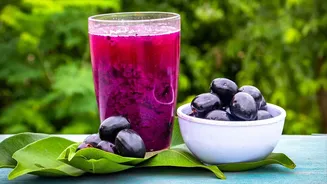
Jamun (Indian Blackberry)
This quintessential monsoon fruit is more than just a sweet and tart treat. Jamun is a low-calorie powerhouse packed with Vitamin C, iron, and antioxidants. Its rich nutrient profile helps boost haemoglobin and strengthen the immune system, making your
body better equipped to fight off common monsoon infections. Traditionally, it is also valued for its properties that help manage blood sugar levels, making it a smart choice for many. Its natural digestive properties can also help keep your gut healthy, which is often a challenge during the humid, rainy months.
Bhutta (Corn)
The aroma of roasted bhutta is synonymous with the Indian monsoon. This beloved street-side snack is not just comfort food; it's a nutritional hero. Corn is rich in dietary fibre, which aids digestion and promotes a healthy gut—a key pillar of immunity. It's also a good source of antioxidants like lutein and zeaxanthin, which support overall wellness, including eye health. Being a complex carbohydrate, it provides sustained energy, helping you stay active and fight the lethargy that can sometimes accompany grey, rainy days.
Ginger and Turmeric
This dynamic duo is a cornerstone of Indian home remedies for a reason. Ginger is known for its ability to soothe sore throats and aid digestion, while turmeric's active compound, curcumin, is a potent anti-inflammatory agent. During the monsoon, when colds, coughs, and viral infections are rampant, incorporating these spices into your daily diet can provide a powerful defensive boost. A warm cup of ginger-turmeric tea or adding them generously to your dals and curries can help your body combat seasonal infections and reduce inflammation.
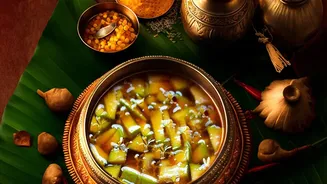
Seasonal Gourds (Lauki, Turai)
While they may not be the most glamorous vegetables, gourds like lauki (bottle gourd) and turai (ridge gourd) are exceptionally beneficial during the monsoon. These vegetables are high in water content, low in calories, and incredibly easy to digest, which gives your digestive system a much-needed break. They are packed with essential nutrients and fibre, helping to cleanse the system and prevent the feeling of bloating or heaviness that is common in humid weather. Cooking them in simple preparations like soups or light curries makes them a perfect, gentle addition to your diet.
Pears (Nashpati)
Crisp, juicy, and subtly sweet, the pear, or nashpati, is an underrated monsoon fruit. It is an excellent source of dietary fibre, which is crucial for maintaining digestive health and preventing constipation. Pears are also loaded with vitamins and antioxidants that help fortify the immune system and build resistance against common ailments. As a fruit that’s available fresh during this season, it’s a much healthier way to satisfy your sweet cravings than reaching for processed or fried snacks.
Probiotic-Rich Foods
Gut health is the foundation of overall wellness, and it's especially important during the monsoon when the risk of digestive issues and infections increases. Probiotic-rich foods like homemade dahi (curd) or buttermilk (chaas) are excellent for maintaining a healthy balance of gut bacteria. A healthy gut microbiome is directly linked to a stronger immune response. Opting for a light, refreshing glass of buttermilk post-lunch can aid digestion and make you feel less sluggish.