





The Problem with All-or-Nothing Thinking
For years, the default advice for navigating festive spreads was to simply say 'no'. But this strategy of strict avoidance often backfires. Psychologically, completely restricting certain foods can increase their appeal, leading to feelings of deprivation.
This can culminate in a cycle of restriction followed by overeating, accompanied by guilt. In a cultural context like India's, where food is central to celebration and hospitality, refusing dishes can also feel socially awkward. This is why a shift towards moderation is not just a diet trend, but a more practical and mentally healthier way to engage with festive traditions. The goal is to participate in the joy of food, not to stand outside it.
Strategise Before You Socialise
One of the biggest challenges is not a single meal, but a calendar packed with multiple events. Planning ahead is crucial. Many dietitians recommend eating a small, healthy snack before you leave home, like a piece of fruit or a handful of nuts. Arriving at a party extremely hungry can make it nearly impossible to make mindful choices. Another effective strategy is to map out your week. Identify the main feast days and plan for lighter, simpler meals on the days before and after to create a natural balance. This helps prevent the festive season from turning into one continuous, heavy meal, allowing your body and appetite to reset.
Mastering the Art of the Plate
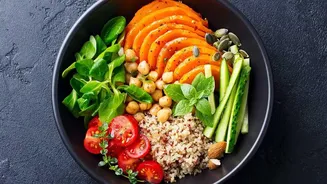
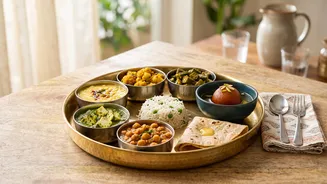
Once you're at the gathering, your plate is your primary tool. Using a smaller plate can be a powerful visual cue that helps manage portions, as studies suggest people eat less when their plate seems full. A popular rule recommended by nutrition experts is the 'half-plate rule'. Fill half your plate with vegetables or salad first. These high-fibre foods add bulk and help you feel fuller, reducing the space and appetite for richer dishes. Dedicate the remaining two quarters to protein (like dal or paneer) and carbohydrates (like rice or roti). This balanced approach ensures you get a taste of everything without overloading on any single component.
Taste Everything, Finish Nothing
The pressure to try every special dish is real. A helpful mantra to adopt is 'taste everything, finish nothing'. Instead of taking a full serving of every item, take a small spoonful. This allows you to enjoy the variety of flavours without the volume. For sweets, which are often the biggest temptation, this approach is particularly effective. Choosing one or two treats that you truly love and savouring them is more satisfying than mindlessly sampling everything available. Mindful eating—paying attention to the taste and texture of each bite—enhances enjoyment and helps your brain register fullness, preventing overeating. It takes about 20 minutes for your stomach to signal to your brain that you are full.
Stay Hydrated and Pace Yourself
It's easy to mistake thirst for hunger. Staying well-hydrated by drinking plenty of water throughout the day and at events can help manage cravings and reduce overall consumption. Alternating alcoholic or sugary drinks with a glass of water is another smart tactic to stay hydrated and moderate your intake. Eating slowly is equally important. Engaging in conversation and putting your utensils down between bites gives your body time to process and signal when you're satisfied, not stuffed. The focus should be on the social connection of the event, not just the food. By slowing down, you give yourself the chance to truly enjoy both.