


The Core Problem: Expensive Batteries
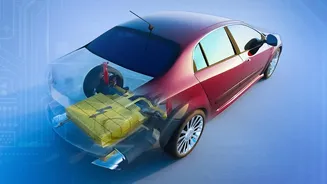
For years, the dream of owning an electric vehicle has remained just out of reach for a majority of Indian consumers. The primary culprit is the battery pack, which can account for a staggering 40-50% of an EV's total cost. These batteries have traditionally
relied on lithium-ion technology, which uses materials like lithium, cobalt, and nickel. Not only are these materials expensive, but their supply chains are often concentrated in a few countries, making India heavily import-dependent and vulnerable to global price fluctuations and geopolitical risks. This has kept the cost of electric cars stubbornly high, limiting their adoption to those with bigger budgets and slowing down India's green transition.
The Sodium-Ion Advantage: Abundant and Affordable
Enter sodium-ion (Na-ion) batteries. The fundamental principle is similar to their lithium-ion cousins, but they swap out expensive, scarce lithium for incredibly abundant and cheap sodium. Sodium is the sixth most plentiful element on Earth, easily sourced from seawater and minerals, which India has in abundance. This drastically cuts down the raw material cost. Experts estimate that sodium-ion batteries could be 15-40% cheaper to produce than current lithium-ion cells. This cost advantage, combined with reduced reliance on imports, makes Na-ion technology a strategically vital solution for India's energy security and its goal of making EVs accessible to the masses.
Performance Trade-Offs: The Catch
While the cost benefits are compelling, sodium-ion technology does come with a key trade-off: lower energy density. In simple terms, a sodium-ion battery of the same size and weight stores less energy than a lithium-ion one. This means that for a given range, the battery pack might need to be larger and heavier, making it less ideal for high-performance, long-range luxury EVs. However, this limitation is less of a concern for the intended market: entry-level passenger cars, two-wheelers, and three-wheelers primarily used for city commuting, where a moderate range is perfectly adequate. Furthermore, recent advancements show rapid improvements, with some prototypes demonstrating excellent fast-charging capabilities and impressive cycle life, often outlasting their lithium counterparts.
India's Key Players and Timeline
Several Indian companies are already making significant strides in this space. Reliance New Energy, having acquired UK-based technology leader Faradion, is fast-tracking its plans to build a giga factory for sodium-ion cells, with manufacturing slated to begin around 2026. Meanwhile, Pune-based KPIT Technologies has also developed its own indigenous Na-ion battery technology, which it is commercialising in partnership with Trentar Energy Solutions. According to government officials, the technology has reached a high level of maturity, suggesting a move from pilot projects to commercial production could happen within the next two to three years. This points towards the first wave of sodium-ion powered vehicles, especially in the two- and three-wheeler segments, potentially hitting Indian roads between 2026 and 2028.
The Bigger Picture for India's EV Ambitions
Sodium-ion technology isn't just about cheaper cars; it represents a monumental step towards self-reliance in the energy sector. By developing a domestic ecosystem for a battery chemistry based on locally available resources, India can significantly de-risk its EV supply chain. This technology is also seen as safer, with a lower risk of thermal runaway (fires) compared to some lithium chemistries, and it performs better in extreme temperatures—a crucial advantage for the diverse Indian climate. While lithium-ion will continue to power high-performance EVs, sodium-ion is perfectly positioned to become the workhorse for affordable, mass-market electric mobility, finally putting the keys to an EV in the hands of millions more Indians.