


Wayanad's Water Paradox
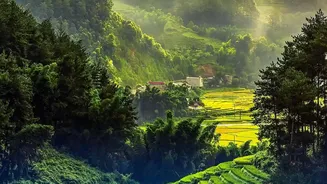
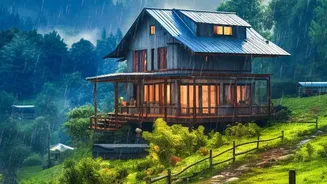
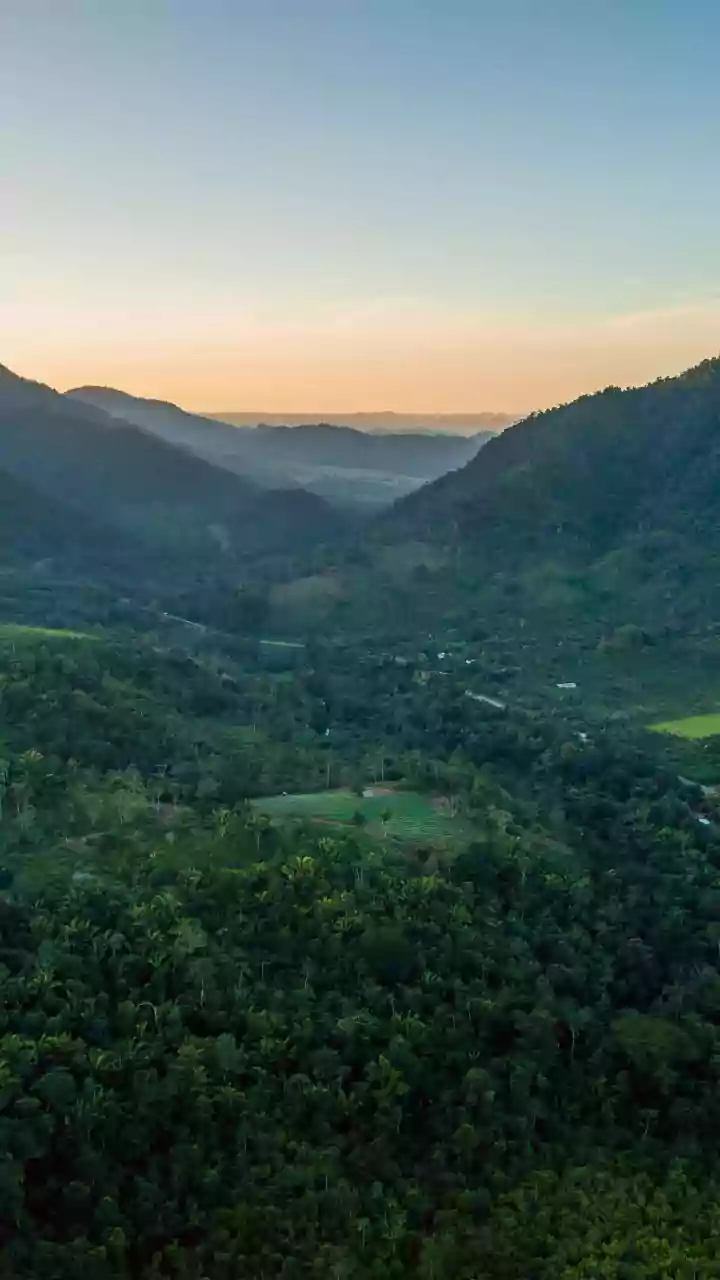
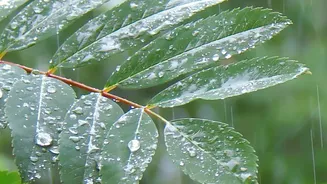
Nestled in the Western Ghats, Wayanad is defined by its intense monsoon season, receiving an average annual rainfall of over 2,300 mm. This downpour blankets the district in lush greenery, creating the stunning vistas that attract travellers from across
the globe. Yet, this abundance can be deceptive. The region can face water scarcity during the dry summer months, a challenge exacerbated by the demands of a growing tourism industry. The surge in visitors puts pressure on natural water resources like groundwater and springs. This creates a paradox of plenty: a place blessed with immense rainfall still needs to manage its water carefully to ensure a sustainable future for its communities and the very ecosystems that make it a premier eco-tourism destination. Responsible properties understand that managing this water is not just a necessity but an opportunity.
Harnessing the Monsoon
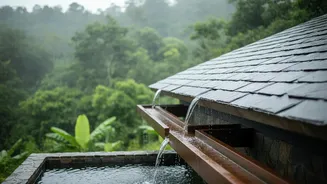
Enter rainwater harvesting, a practice that is both ancient in its wisdom and modern in its application. For eco-friendly resorts and homestays in Wayanad, it’s a foundational pillar of their sustainability model. The concept is straightforward: instead of letting precious rainwater run off, it is collected, filtered, and stored for future use. Rooftops serve as the primary catchment areas, channeling water into a series of pipes and filters that lead to large storage tanks, some underground and others on the surface. These systems range from simple barrel setups to sophisticated, large-capacity tanks integrated into the property's design. This captured water is then used for a variety of non-potable purposes, including landscaping, irrigation for organic farms, cleaning, and flushing toilets, significantly reducing the property's reliance on municipal supply or groundwater.
The Ripple Effect of Sustainability
The benefits of rainwater harvesting extend far beyond simply lowering a water bill. By reducing the extraction from underground aquifers, these facilities help replenish the water table, which is crucial for the long-term ecological health of the region. This practice also mitigates soil erosion and prevents excessive stormwater runoff, which can otherwise pollute local streams and rivers. Furthermore, it reduces the energy consumption associated with pumping and treating water, lowering the overall carbon footprint of the stay. Some properties take it a step further, integrating harvested water into their entire operational cycle. For instance, several resorts use this water to support on-site fish farms and organic vegetable gardens, creating a closed-loop system that enhances their farm-to-table dining experience.
Pioneers in Eco-Conscious Hospitality
Many properties in Wayanad have become shining examples of how to integrate these systems effectively. Resorts like After The Rains and Muthanga Wild Resort have made rainwater harvesting a core part of their operations. Tranquil Resort, a plantation stay, sources its drinking water from natural on-site springs, showcasing a deep respect for natural water cycles. Similarly, Wayanad Silverwoods Resort emphasizes its commitment to water conservation as part of its luxury-meets-sustainability promise. These establishments don't just see sustainability as a buzzword; it's a structural element of their design and ethos. They prove that a luxurious and comfortable guest experience can coexist with a minimal environmental footprint, attracting eco-conscious travelers who want their visit to have a positive impact.
The Traveler’s Role in a Greener Stay
For the modern traveler, choosing an eco-friendly stay in Wayanad is a vote for a more sustainable tourism model. By supporting properties that invest in solutions like rainwater harvesting, visitors contribute directly to the preservation of the region's delicate ecosystem. These choices encourage more hotels and resorts to adopt green practices, knowing there is a growing demand for responsible travel. When staying at such a property, guests can often see these systems in action, from the lush gardens irrigated with stored rainwater to the information provided about water conservation efforts. It transforms a simple vacation into an educational and enriching experience, fostering a deeper connection with the environment and the local communities dedicated to protecting it.