



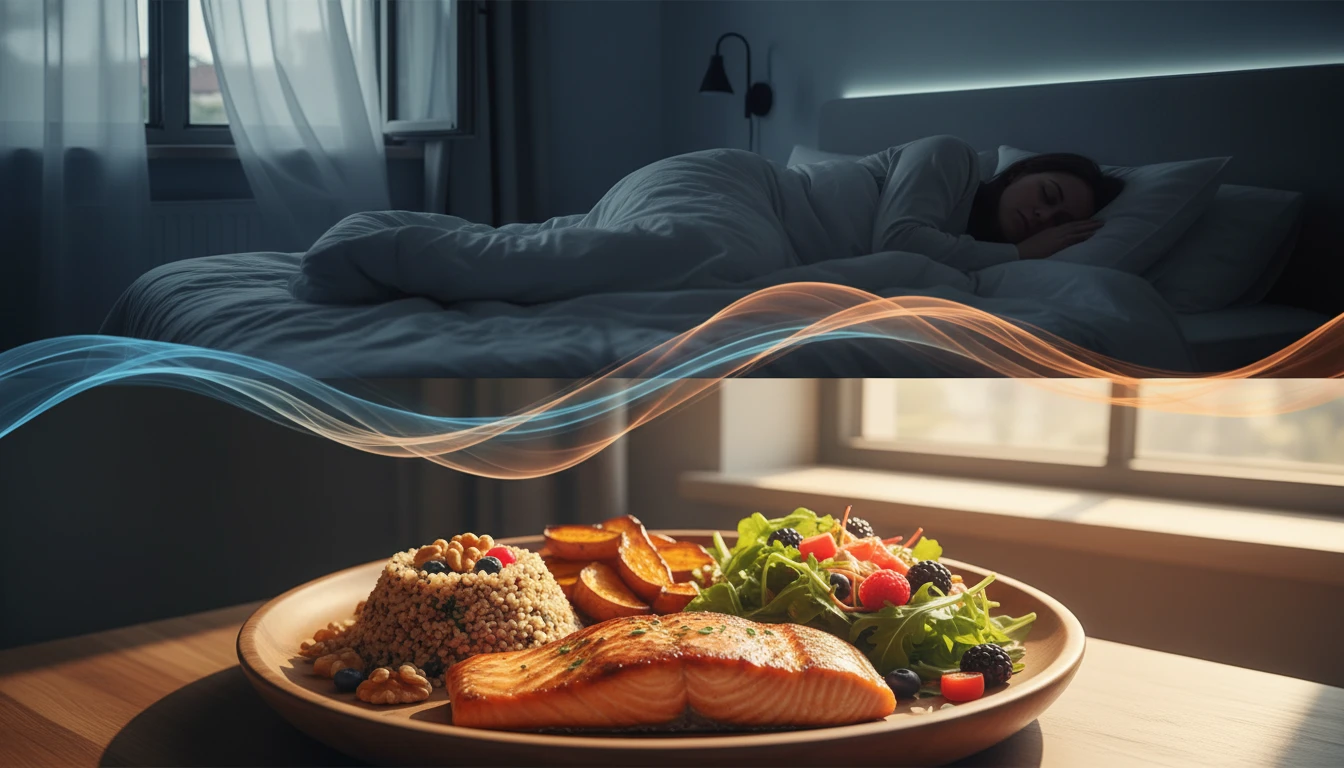




Aligning with Your Body's Clock
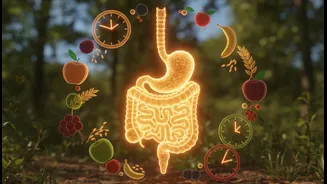
Your body runs on a 24-hour internal clock called the circadian rhythm. This natural cycle influences everything from when you feel sleepy to your hormone production and, crucially, your metabolism. The science of aligning your eating habits with this
internal clock is called chrononutrition. Your digestive system isn't designed to be on call 24/7. It's most efficient during daylight hours when you are active. Metabolism naturally peaks around midday, making it the optimal time to process a larger meal. Eating in sync with this rhythm means your body is better prepared to handle the calories and nutrients you consume.
Giving Your Gut a Break
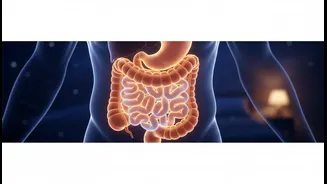
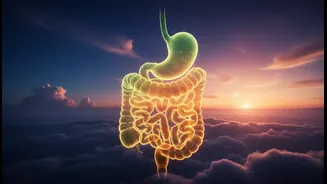
Eating a large dinner late at night forces your digestive system to work overtime when it should be winding down. This can lead to common issues like bloating, indigestion, and acid reflux, all of which can make it harder to fall asleep and stay asleep. When you shift your main meal to lunchtime, you give your body ample time to digest food before you lie down for the night. This allows the gut to enter a state of rest and repair overnight, which is crucial for maintaining a healthy gut lining and a balanced microbiome. Studies suggest that this nightly rest period supports the diversity of our gut bacteria, which is linked to better overall health.
The Link to Better Sleep
A heavy evening meal can directly sabotage sleep quality. Digesting a large amount of food requires significant energy, which can raise your body temperature and prevent you from settling into deep, restorative sleep. Furthermore, eating late can disrupt the release of hormones that regulate sleep. A large meal can spike your blood sugar and insulin levels at a time when your body's sensitivity to insulin is naturally lower. This hormonal disruption can interfere with melatonin, the hormone that signals to your body that it's time to sleep. A lighter dinner, on the other hand, avoids these issues, allowing for a smoother transition into a peaceful night's sleep.
Practical Tips for Making the Shift
The idea of making lunch your main meal might feel daunting, but it doesn't have to be an overnight overhaul. Start by gradually increasing the size of your lunch while making your dinner portion smaller. Planning is key. Prepare a larger portion of your healthy dinner and save it for the next day's lunch. If you're used to a small lunch, simply adding more protein and fibre can help you feel fuller for longer and reduce afternoon cravings. Listen to your body; you might find you have more energy in the afternoons and feel less hungry in the evening. The goal is to 'front-load' your calories, consuming most of them when your body is most efficient at using them.