




The Myth of the Super-Cleaner Cocktail
It’s a common impulse to try and boost the power of a cleaning product by adding another one to it. Many people assume this creates a stronger, more effective solution. In reality, you are not creating a super-cleaner; you are likely performing a dangerous
chemistry experiment in your own home. Cleaning products are formulated with specific chemicals to be effective and safe when used as directed. When mixed, these chemicals can react in unpredictable and hazardous ways, releasing toxic gases or creating corrosive substances that can harm you and your family. The effectiveness of the cleaners can even be neutralized, meaning your efforts are not only dangerous but also wasted. The fundamental rule of safe cleaning is simple: never mix different cleaning products.
The Most Notorious Mix: Bleach and Ammonia
This is perhaps the most well-known dangerous combination, yet accidents still happen because ammonia is a common ingredient in many glass cleaners, floor cleaners, and all-purpose cleaning sprays. When chlorine bleach is mixed with ammonia, it creates a toxic gas called chloramine. Inhaling even a small amount of chloramine gas can cause immediate symptoms like coughing, nausea, watery eyes, and shortness of breath. In a poorly ventilated space like a bathroom, the gas can quickly build to concentrations that cause chest pain, severe irritation to the throat and lungs, and even lead to serious respiratory damage. Always read the ingredient list on your cleaners to ensure you are not accidentally mixing a bleach-based product with an ammonia-based one.
When Bleach Meets Acids or Alcohol
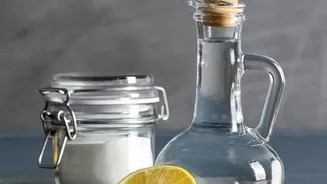
Ammonia isn't the only chemical that reacts dangerously with bleach. Mixing bleach with acidic cleaners, including something as seemingly harmless as vinegar, creates chlorine gas. Chlorine gas is a potent lung irritant that was used as a chemical weapon in World War I; even at low levels of household exposure, it can cause severe coughing, breathing problems, and burning sensations in the eyes and throat. Another perilous combination is bleach and rubbing alcohol. This mixture produces chloroform, a toxic substance known for its sedative properties in old movies but which is also a suspected carcinogen. The reaction can also create other harmful acids. The lesson is clear: bleach should only ever be mixed with plain water.
The Danger of Unlabelled Bottles
The danger of household chemicals isn't limited to mixing. A significant and entirely preventable risk comes from transferring chemicals into unlabelled containers, especially used water or soft drink bottles. It’s a scenario poison control centers see far too often: an adult or child, thirsty, grabs a familiar-looking bottle and takes a drink, only to have ingested a caustic cleaner or a toxic solvent. These accidents can cause severe internal burns and long-term injury. Furthermore, in an emergency, the lack of a proper label makes it extremely difficult for medical personnel to provide the correct and timely treatment, as they don't know what poison they are dealing with. Keeping chemicals in their original, clearly labelled containers is a critical safety step.
Your Simple Guide to Safer Cleaning
Adopting safe habits doesn't mean your home will be less clean. It means you'll be cleaning smarter. First and foremost, always read and follow the directions on the product label. These instructions are there for your safety and for the product's maximum effectiveness. Store all cleaning supplies in their original containers, with the labels intact. When you are finished using them, store them in a secure location that is out of reach of children and pets, such as a high shelf or a locked cabinet. Ventilate the area you are cleaning by opening windows or using a fan. If you must transfer a product into a new container, ensure that it is clearly and accurately labelled with the contents and any warnings. By following these simple rules, you create a safer environment for everyone in your household.