



Why Healthy Soil is Everything
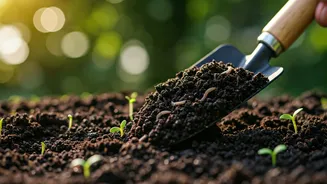
Think of soil not as dirt, but as a living, breathing ecosystem. Healthy soil is the foundation of a healthy garden. It provides your plants with the three essentials they need to thrive: nutrients, water, and air. Good soil is rich in organic matter,
teeming with beneficial microorganisms like bacteria and fungi, and has a crumbly texture that allows roots to grow deep and strong. When your soil is depleted, compacted, or lifeless, plants struggle. They become more susceptible to pests and diseases, their growth is stunted, and they fail to produce the vibrant blooms or delicious harvests you're hoping for. By focusing on building and maintaining healthy soil, you are creating a resilient, self-sustaining environment where your plants don't just survive, they flourish.
Create Your Own 'Black Gold'
The single most effective way to improve your garden soil is by adding compost. Often called 'black gold' by gardeners, compost is decomposed organic matter that enriches soil, helps retain moisture, and feeds the crucial microbial life within it. You don't need fancy equipment to get started. A simple bin or even a dedicated corner of your yard will do. Begin by layering 'greens' (nitrogen-rich materials like vegetable scraps, fruit peels, and coffee grounds) with 'browns' (carbon-rich materials like dried leaves, shredded newspaper, and cardboard). Aim for a ratio of roughly two parts brown to one part green. Keep the pile moist, like a wrung-out sponge, and turn it every week or two to aerate it. In a few months, you'll have a dark, crumbly, and nutrient-rich compost ready to be mixed into your garden beds.
Turn Kitchen Waste Into Garden Treasure
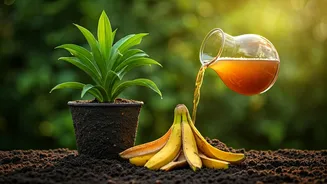
Your kitchen is a treasure trove of soil-enhancing materials. Instead of throwing them away, put them to work in your garden. Vegetable and fruit peels are excellent additions to your compost pile. Crushed eggshells add valuable calcium, which can prevent issues like blossom-end rot in tomatoes and capsicums. Used tea leaves and coffee grounds are rich in nitrogen and can be lightly sprinkled around the base of acid-loving plants. Even the water you use to wash rice or dal can be used to water your plants, providing them with a mild dose of nutrients. By consciously recycling your kitchen waste, you not only reduce what goes to the landfill but also create a continuous supply of free, organic fertiliser for your garden.
The Protective Power of Mulch
Mulching is the simple act of covering the soil surface around your plants with a layer of organic material. In India's varied climate, this practice is a game-changer. A good layer of mulch—be it dried leaves, straw, wood chips, or even sugarcane bagasse—acts like a protective blanket for your soil. It helps retain precious moisture by reducing evaporation, which is crucial during our hot, dry seasons. It also suppresses weed growth, saving you hours of back-breaking work. As the organic mulch slowly breaks down, it adds nutrients to the soil, further improving its structure and fertility. Finally, mulch helps regulate soil temperature, keeping roots cooler in the summer and warmer in the winter, reducing stress on your plants.