

1. Ground Your Space with Natural Fibres
Jute and seagrass rugs are the foundation of textured interior design for a reason. These sustainable, plant-based materials bring an earthy, organic feel to any room, instantly making it feel more grounded and approachable. Jute, derived from the stem
of the jute plant, is known for its softer feel, though it can be less durable and prone to shedding. Seagrass, grown underwater, has a natural, subtle sheen and is more resistant to stains and spills, making it a great choice for high-traffic areas or homes with children. Both options provide a neutral, versatile base that works well with a variety of decor styles, from modern minimalist to bohemian. Their woven construction adds visual interest without overwhelming the space, and they are perfect for layering under smaller, more colourful rugs.
2. Embrace Cozy Bouclé and Sherpa
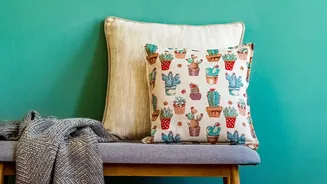
The trend for bouclé, a fabric made of looped yarn, has become a mainstay in furniture design. Its irresistibly soft, curly texture invites you to touch and relax, making it a perfect choice for accent chairs, sofas, and headboards. The fabric brings a sense of soft modernism and luxury, especially when applied to furniture with curved silhouettes. While traditionally seen in creams and whites, bouclé is now available in a wider range of colours. For Indian homes, where dust can be a concern, you can introduce this texture in smaller doses, like a single statement armchair or a set of plush cushions. This allows you to capture the cozy, high-end feel of the trend without committing to a large, high-maintenance piece.
3. Add Depth with Wall Finishes
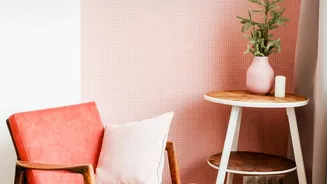
Move beyond flat paint and consider wall finishes that offer subtle, handcrafted texture. Limewash, a centuries-old technique using crushed limestone, gives walls a soft, chalky matte finish with beautiful, subtle variations in tone. Unlike regular paint that forms a film on the surface, limewash penetrates porous materials like plaster, creating a breathable, durable coating that adds depth and character. The application, often done with a brush in random, cloud-like strokes, results in a uniquely organic and elegant look that plays with light throughout the day. This finish provides an old-world, expensive feel, turning a plain wall into a piece of art in itself.
4. Introduce Ribbed and Fluted Details
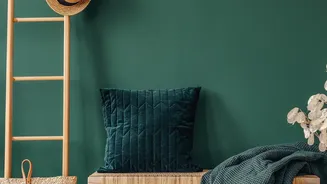
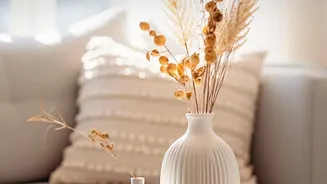
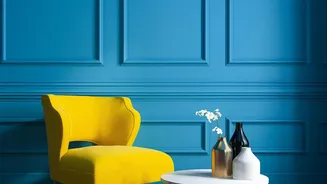
Fluted or ribbed surfaces, originally seen in ancient architecture, are making a major comeback in modern decor. This elegant texture, characterized by vertical grooves, can be found on everything from glass panels and wooden furniture to lighting fixtures and decorative accents. Fluted glass is particularly versatile; it can be used on cabinet doors to obscure clutter while keeping the look light and airy, or as room dividers that provide privacy without blocking light. Similarly, fluted wood panels on an accent wall can add architectural interest and make a ceiling feel higher. This trend adds a layer of sophisticated, fluid texture that feels deluxe without overwhelming a room.
5. Display Artisanal and Handmade Ceramics
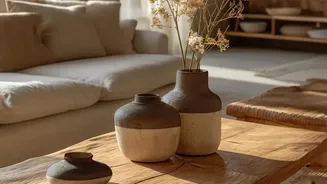
In a world of mass-produced items, handmade ceramics offer a touch of authenticity and soul. The slight imperfections, unique glazes, and tactile nature of handcrafted pottery make each piece a small work of art. Integrating these pieces into your decor is an easy way to add texture and a personal touch. Think beyond just vases; consider handmade bowls as catch-alls on a console table, unique ceramic mugs displayed on open kitchen shelving, or sculptural planters that bring both texture and greenery into a space. These items celebrate craftsmanship and bring a sense of warmth and character that instantly elevates your home.