



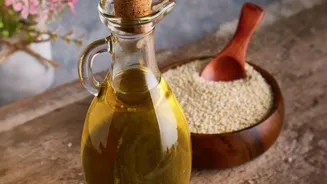


What Exactly Is Wood-Pressed Oil?
Often called 'marachekku,' 'ghani,' or 'kolhu' oil, wood-pressed oil is extracted using a method that dates back centuries in India. The process involves crushing oilseeds, like sesame, in a large wooden mortar with a rotating wooden pestle. This slow,
mechanical crushing happens at a low temperature, typically below 40-45°C, because the wood absorbs most of the friction heat. This is fundamentally different from commercially refined oils, which often use high heat and chemical solvents like hexane to extract every last drop of oil before being bleached and deodorised to create a neutral product with a long shelf life. The wood-pressing method, by contrast, is a simple, chemical-free process that prioritizes purity over quantity.
A Return to Flavour and Aroma
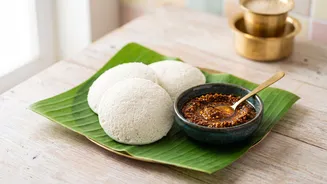
One of the most immediate reasons for the switch is taste. Urban consumers are rediscovering that oils are not just a cooking medium but a key flavour ingredient. Refined oils are intentionally neutral, but wood-pressed sesame oil retains its distinct, nutty, and earthy aroma and taste. This authentic flavour profile enhances traditional dishes, from a fragrant tadka to classic South Indian preparations and pickles. For many, this taste is nostalgic, reminiscent of the food prepared in their grandparents' homes. This return to robust, natural flavours is a direct reaction against the uniformity of industrially processed foods, representing a conscious choice to make everyday meals more flavourful and traditional.
The Modern Quest for Wellness
The wellness wave sweeping through urban India is perhaps the single biggest driver of this trend. Wood-pressed oils are prized because the low-temperature extraction process helps preserve the oil's natural nutrients. Wood-pressed sesame oil is rich in polyunsaturated fats, including a healthy balance of omega-3 and omega-6 fatty acids. It is also a source of powerful antioxidants like sesamol and sesamin, as well as Vitamin E, which are largely lost during the high-heat refining process. Proponents believe these compounds offer anti-inflammatory benefits and support heart health by helping to manage cholesterol levels. As consumers become more label-conscious and wary of chemical processing, the promise of a pure, nutrient-rich oil is a powerful motivator.
A Connection to Heritage and Sustainability
Choosing wood-pressed oil is more than just a health or culinary decision; it's a cultural statement. This trend reflects a growing desire among urban Indians to reconnect with their roots and embrace ancestral wisdom. The 'ghani' is an emblem of a slower, more sustainable way of life that resonates deeply in a fast-paced world. Opting for these oils is also seen as supporting local and small-scale producers who continue to practice these traditional methods, creating a more sustainable food ecosystem. For many, it's about making a conscious choice that aligns with their values, bridging the gap between ancient traditions and modern life by bringing a piece of heritage back into the home.
How to Use It In Your Kitchen
Incorporating wood-pressed sesame oil is simple. Known in India as 'til ka tel' or gingelly oil, it has a strong presence in South Indian and some Asian cuisines. Its rich, nutty flavour makes it excellent for tempering spices ('tadka'), preparing chutneys, and as a finishing oil drizzled over dishes. While it has a reasonably high smoke point, many people prefer to use it for sautéing and light cooking rather than deep-frying to preserve its delicate flavour and nutrients. Beyond the kitchen, it has been used in Ayurvedic practices for millennia for everything from oil pulling for oral health to skin and hair care, thanks to its moisturizing and purported antibacterial properties.