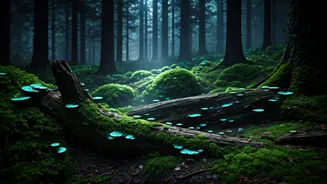





A Forest That Breathes Light
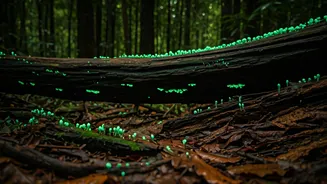
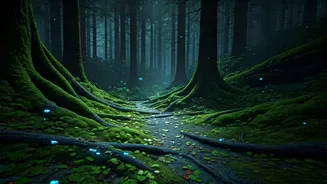
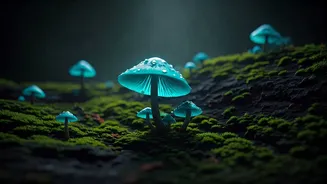
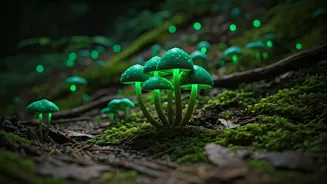
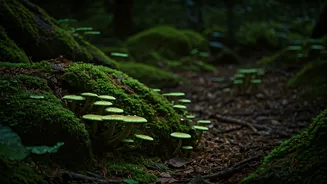
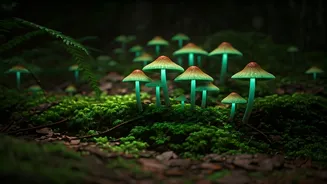
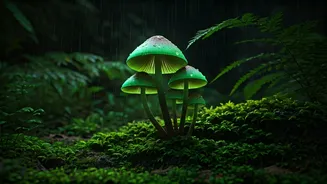
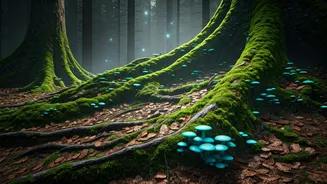
This isn't a scene from a fantasy film; it's a real, natural phenomenon happening in select forests across India. Known as bioluminescence, this 'living light' is produced by certain species of fungi. During the peak monsoon season, these mushrooms, often
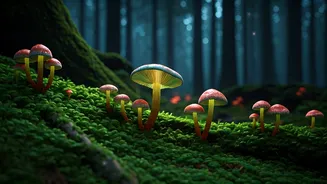
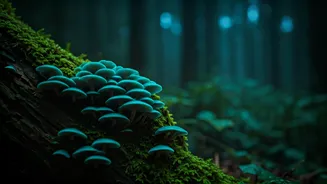
belonging to the genus *Mycena*, sprout on decaying logs, branches, and leaf litter. As darkness falls, they emit a steady, otherworldly glow, transforming a familiar trail into an enchanted landscape. This magical display is often called 'foxfire,' a term with roots in folklore used to describe the eerie light emanating from rotting wood.
The Science Behind the Spectacle
The glow isn't magic, but it is fascinating chemistry. The fungi produce light through a chemical reaction involving a compound called luciferin and an enzyme, luciferase. When luciferin interacts with oxygen in the presence of luciferase, energy is released in the form of cold light. But why do they do it? Scientists believe the glow serves a crucial purpose: attracting nocturnal insects. As creatures like beetles and flies are drawn to the light, they crawl over the mushrooms, picking up spores and dispersing them throughout the forest. In essence, the fungi create their own natural billboard to ensure their survival and propagation.
Where to Find India's Glowing Forests
This ethereal phenomenon is primarily found in regions with high humidity and dense forest cover, especially during the monsoon. Here are some of the key hotspots in India: - **Western Ghats (Maharashtra & Goa):** The forests of the Western Ghats are a prime location. Bhimashankar Wildlife Sanctuary near Pune and several areas within Goa’s Mhadei Wildlife Sanctuary, particularly near the village of Chorla Ghat, are famous for their glowing fungi displays. - **Western Ghats (Karnataka):** The dense forests around Agumbe, known for its heavy rainfall, also host these glowing wonders. The trail to Barkana Falls and the surrounding shola forests can offer brilliant sightings. - **Meghalaya:** In the East Khasi Hills, the phenomenon has been documented by locals and scientists alike. The state's unique biodiversity and high rainfall create the perfect conditions for these fungi to thrive.
When to Plan Your Visit
Timing is everything. The bioluminescent fungi are most active and visible during the peak monsoon months, typically from June to early October. The constant moisture and humidity are essential for the fungi to fruit and glow. The best sightings occur after a few days of consistent, heavy rainfall. Plan your visit for the darkest nights, ideally during the new moon phase, as the absence of moonlight makes the fungi's delicate glow appear much brighter and more dramatic. A clear, post-rain evening when the humidity is still high offers the perfect canvas for this natural light show.
Tips for a Magical Viewing Experience
To make the most of this unique experience, go prepared. First, hire a local guide who knows the exact trails where the fungi grow. Their expertise is invaluable for both safety and finding the best spots. Dress for the monsoon with waterproof gear and sturdy, leech-proof footwear. When you arrive, turn off all torches and phones and allow at least 10-15 minutes for your eyes to fully adjust to the darkness. If you must use a light, use a torch with a red filter, as red light is less disruptive to your night vision and the surrounding nocturnal wildlife. Most importantly, practice responsible tourism. Stick to the trails, avoid touching or plucking the fungi, and leave no trace behind. The goal is to witness the magic without disturbing it.