



Beauty as a Holistic Ritual
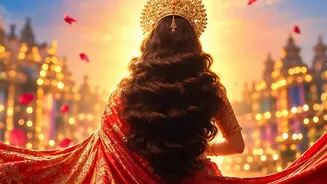
In the opulent palaces of ancient and Mughal India, beauty was never just skin deep. For queens and princesses, skincare was a holistic ritual, a mindful practice that connected them to nature and cultural traditions. Rooted in the 5,000-year-old principles
of Ayurveda, these routines were designed to balance the mind, body, and spirit. Ingredients were not chosen randomly; they were carefully selected for their specific therapeutic properties, sourced from palace gardens and fertile valleys across the subcontinent. From the Rajputana queens battling the desert climate with hydrating ingredients to the Travancore royalty using potent Ayurvedic oils, beauty was a personalised and sacred affair. This philosophy treated self-care as an essential act of nurturing oneself from the inside out.
The Golden Glow of Ubtan
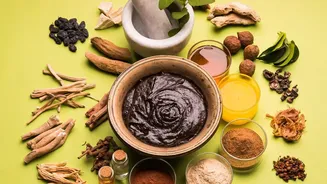
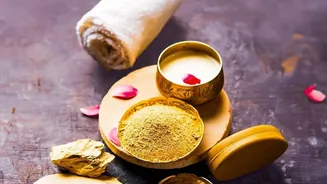
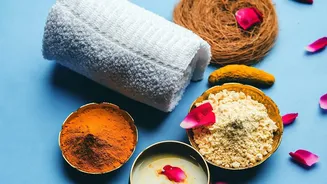
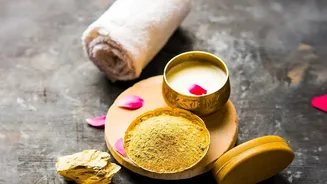
At the heart of royal beauty traditions is the ubtan, a finely ground paste of herbs, flours, and spices that has been used for thousands of years. Considered a staple in royal households, this all-natural concoction was the original multi-tasking product: it cleansed, exfoliated, and nourished the skin, leaving it with a radiant glow. Key ingredients often included turmeric for its anti-inflammatory and brightening properties, sandalwood for cooling and calming the skin, and gram flour (besan) as a gentle exfoliant. This potent blend was typically mixed with milk or rose water to form a paste. The ubtan ritual was especially significant for brides and grooms, forming the centrepiece of the 'haldi' ceremony to ensure they looked their best on their wedding day.
Luxurious Baths and Fragrant Oils
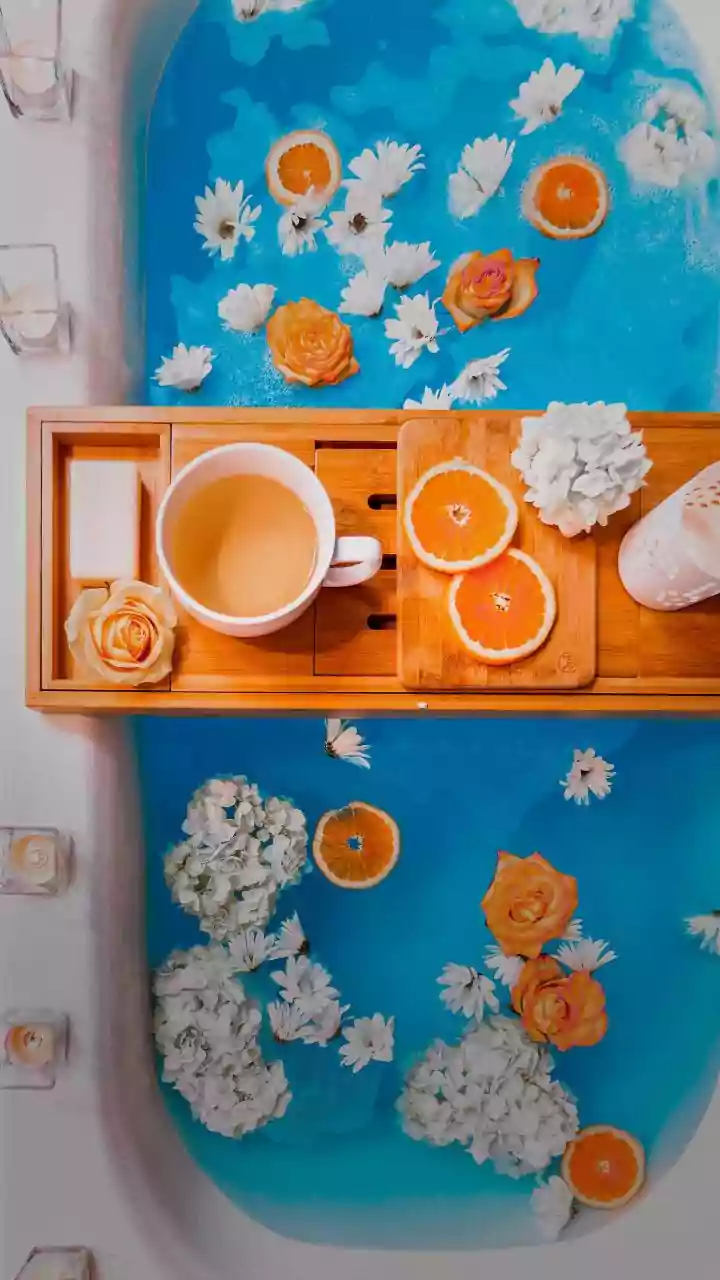
The bathing rituals of Indian royalty were legendary for their opulence. Mughal empress Nur Jahan was famed for her lavish baths filled with rose petals, a practice that is said to have led to the discovery of rose oil when she noticed a fragrant, oily layer on the water's surface. Milk baths, often infused with saffron, were another royal favourite, believed to soften and gently exfoliate the skin. Beyond the bath, fragrant oils were essential. Mughal queens used hair oils infused with ingredients like amla, hibiscus, and jasmine to promote growth and add shine. For the skin, flower-infused oils were massaged gently to nourish, soften, and strengthen from within, leaving a subtle, lingering fragrance. These practices turned daily cleansing into a deeply sensory and indulgent experience.
The Sacred Power of Sandalwood and Saffron
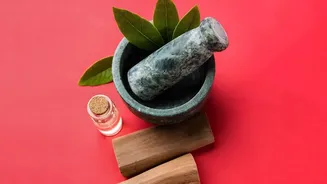
Two ingredients stand out for their profound cultural and cosmetic significance in royal beauty: sandalwood (chandan) and saffron (kesar). For thousands of years, sandalwood has been revered in India not just for its cooling and antiseptic skin benefits, but also for its sacred role in Hindu rituals, where it symbolises purity and spiritual clarity. This connection made it a prized ingredient in royal skincare, used to soothe inflammation and calm the mind. Saffron, with its deep golden hue, was equally treasured. Known in Ayurveda for its ability to bestow luminosity, it was used by queens to brighten the complexion and even out skin tone. Often soaked in milk and applied as a face pack, saffron was the secret to the ethereal glow admired in royal courts.
Modern Revival of Ancient Wisdom
Today, these ancient royal traditions are experiencing a powerful renaissance. A new wave of Indian and international beauty brands are looking to Ayurvedic wisdom, blending time-honoured ingredients with modern science. Brands like Kama Ayurveda, Forest Essentials, and Ranavat are championing ingredients like Kashmiri saffron, sandalwood, and traditional oil blends, making them accessible to a global audience. They are telling the stories behind these rituals, reintroducing concepts like hair oiling and ubtan masks to a new generation through social media. This modern revival proves that the regal beauty tradition is not just a relic of the past but a timeless and relevant source of inspiration for today's wellness-focused consumer.