


Gear Up Before You Go
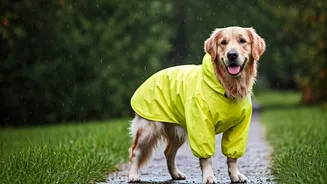
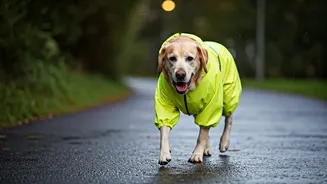
A good hygiene plan starts before you even step outside. Investing in a quality waterproof raincoat for your dog is the first line of defence. It minimises the area of fur that gets soaked, making your post-walk cleanup significantly faster. Look for one
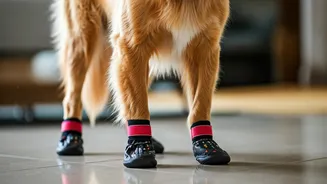
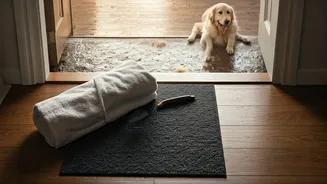
that covers the back and underbelly. For pets with long fur, especially around their paws, a quick trim can prevent them from collecting excess mud and water. You might also consider waterproof paw booties. While some dogs take time to get used to them, they are incredibly effective at keeping paws clean and protecting them from sharp objects hidden in puddles. Lastly, prepare your entryway for your return. Lay down old towels or a highly absorbent doormat to create a designated 'drying zone' to contain the mess.
Smarter Strolling in the Rain
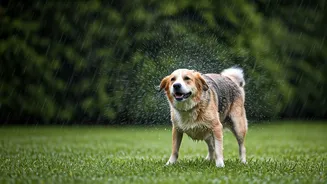
How you navigate the walk itself is just as important as the cleanup. While it’s tempting to let your dog splash around, try to steer them away from large, stagnant puddles and waterlogged grassy areas. These are breeding grounds for bacteria and parasites, including the dangerous Leptospira bacteria, which can cause leptospirosis, a serious illness. Keep walks shorter than usual if the rain is heavy. The goal is a quick trip for exercise and relief, not a prolonged soak. A wet environment can also lower your pet’s body temperature, so be mindful of the duration, especially for smaller breeds, puppies, or senior dogs who are more susceptible to the cold. Stick to familiar, paved paths where you can easily spot and avoid hazards.
The Essential Post-Walk Ritual
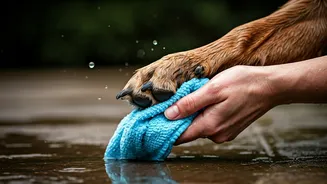
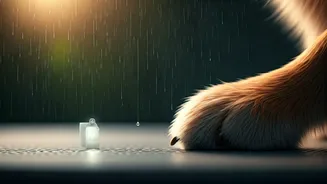
This is the most critical step. As soon as you get home, lead your pet to your prepared drying zone. First, tackle the paws. A paw plunger or a mug of lukewarm water works wonders. Dip each paw in, swish it around gently, and then dry it thoroughly with a dedicated towel. Avoid using shared human towels to prevent any cross-contamination. For cleaning, you can use a pet-friendly antiseptic solution mixed with water, as recommended by your vet. After the paws are clean, use a damp cloth or pet-safe wet wipes to clean your dog’s legs, underbelly, and any other areas that got splashed. This systematic approach ensures you remove not just visible dirt but also potential germs.
Drying is Non-Negotiable
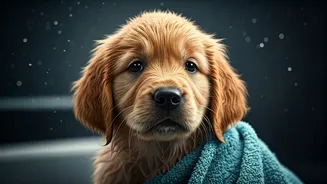
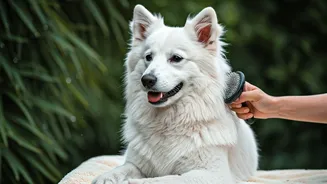
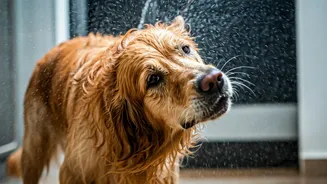
Simply wiping your dog down isn’t enough; they need to be completely dry. Lingering moisture, especially in skin folds, between paw pads, and under the collar, creates a warm, damp environment perfect for fungal and bacterial infections to thrive. These can lead to painful rashes, 'hot spots', and fungal issues like yeast dermatitis, often identified by a foul odour and obsessive licking. Use a highly absorbent microfiber towel to soak up as much water as possible. For long-haired breeds, a pet-specific hair dryer on a low-heat, low-speed setting can be very effective. Always keep the dryer moving to avoid concentrating heat on one spot. Pay special attention to their ears, as trapped moisture here can easily lead to ear infections.
Watch for Health Warning Signs
Even with the best planning, problems can arise. In the hours and days after a rainy walk, keep a close eye on your pet. Check their paws for any redness, swelling, or cuts. Notice if they are excessively licking or chewing at a particular spot on their body, which often indicates irritation. A musty or unpleasant smell from their skin or ears is another red flag for a potential infection. If you observe any of these symptoms, or if your pet seems lethargic or unwell, it’s best to consult your veterinarian. Early intervention is key to preventing a minor irritation from becoming a major health issue.