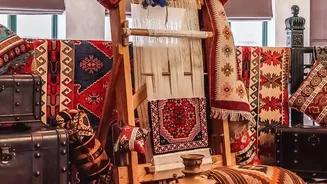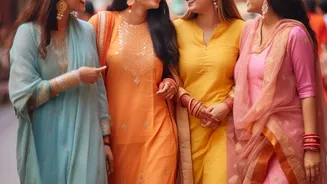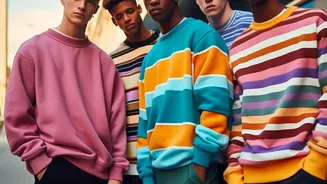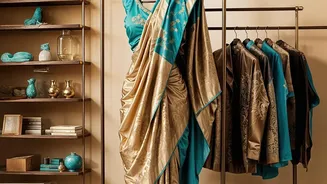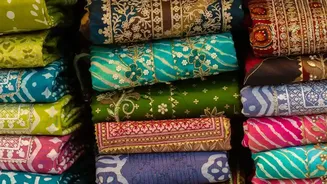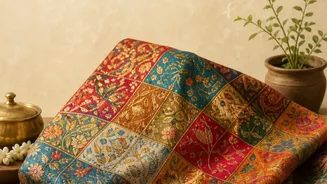

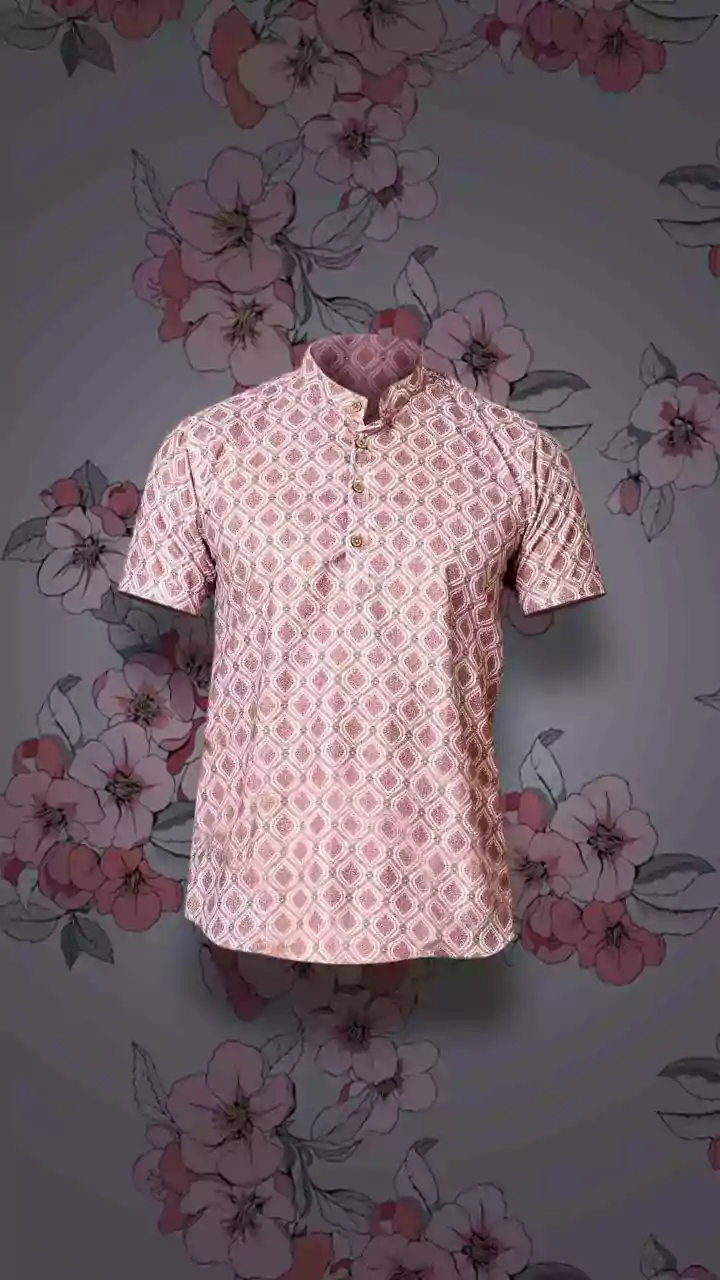
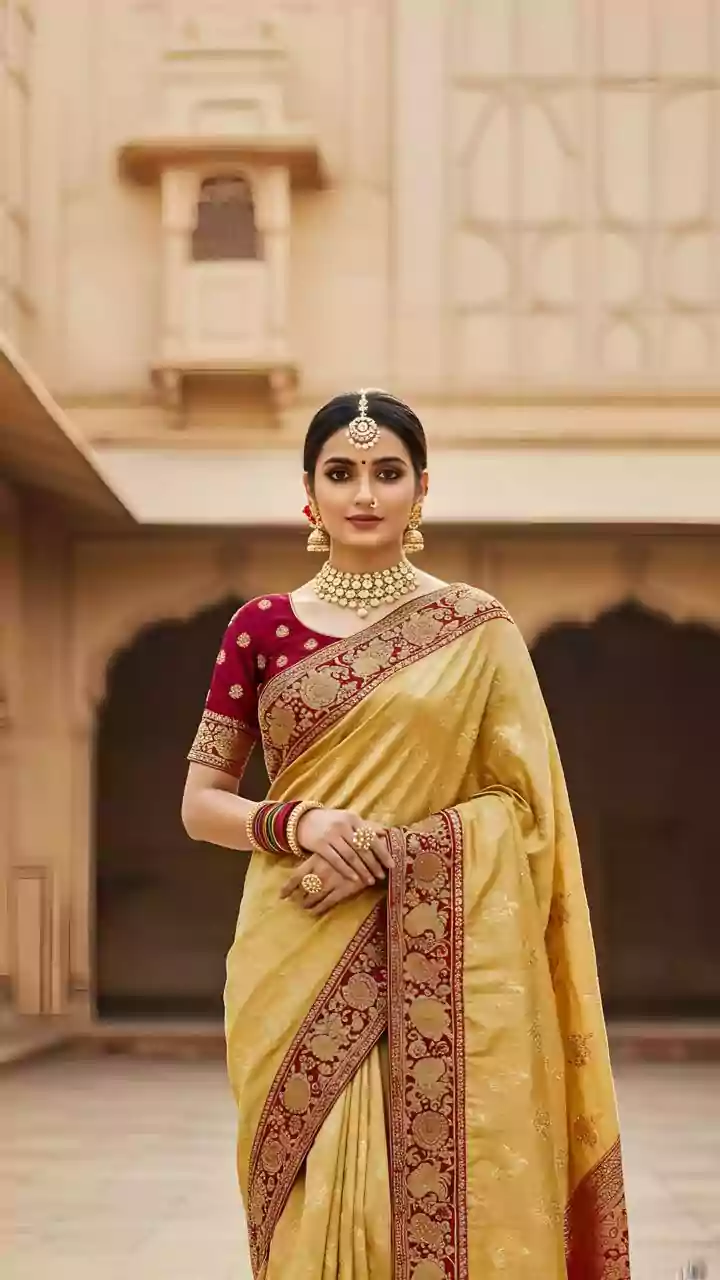
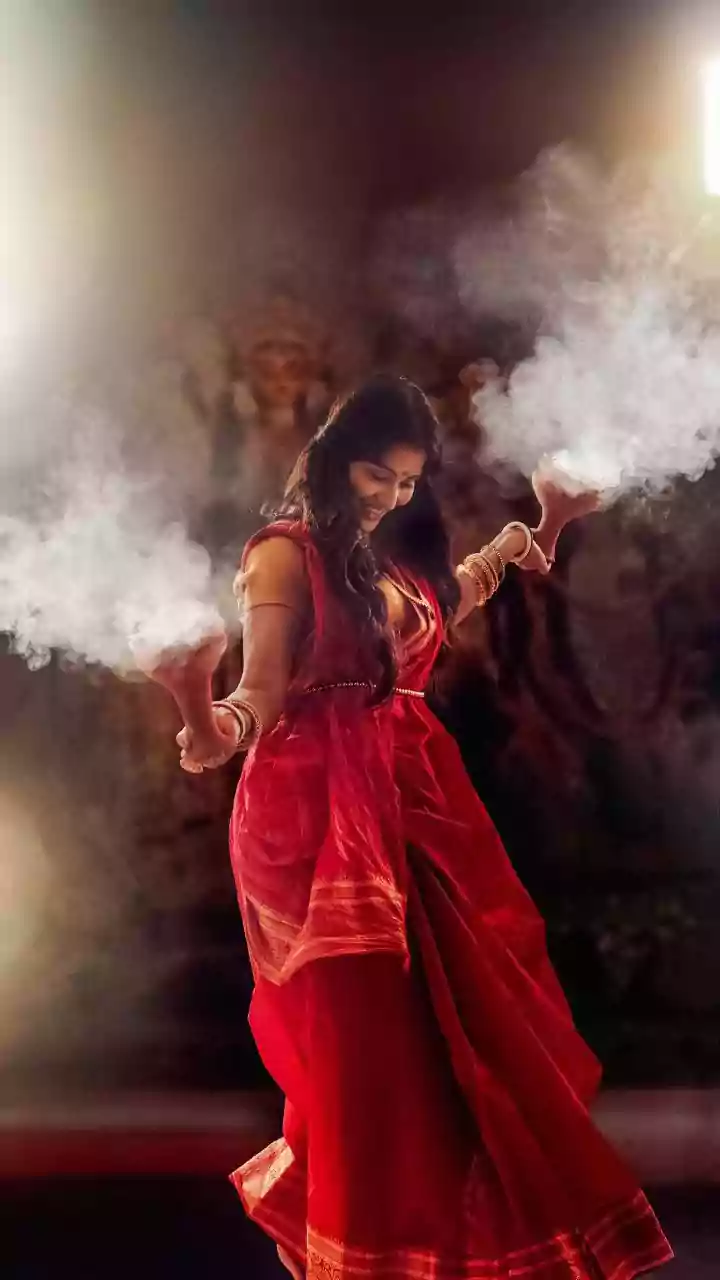

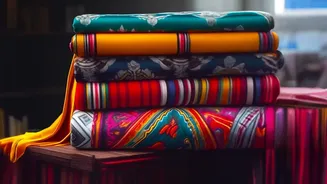
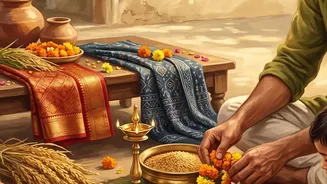
Forget the idea of handloom textiles as something reserved for special occasions or older generations. A vibrant shift is underway, as India’s youth are rediscovering and embracing the rich legacy of regional weaves, thanks to a new wave of design innovation.
From Heirlooms to High Street
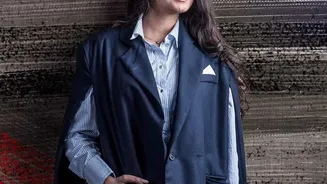
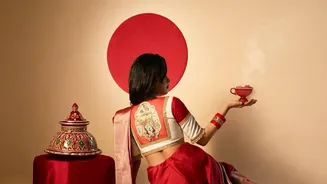
For years, fabrics like Banarasi silk, Chanderi, and Jamdani were often associated with heavy sarees stored away for weddings. Today, that perception is being turned on its head. A new generation of Indian designers and indie labels are deconstructing these traditional textiles and reimagining them for the modern wardrobe. Think Ikat bomber jackets, Ajrakh printed dresses, Banarasi silk sneakers, and Khadi co-ord sets. By moving beyond the saree, designers are making these heritage fabrics more accessible and versatile for everyday wear, appealing to younger consumers who value both style and substance. This fusion of old-world craftsmanship with contemporary silhouettes is making handloom feel less like a relic and more like a relevant, fashion-forward choice.
The Designer as Storyteller
The revival is being led by a cohort of creative minds who see themselves not just as designers, but as custodians of culture. Labels like Raw Mango by Sanjay Garg and designers such as Samant Chauhan have been pivotal in showcasing handloom on international runways, proving that traditional textiles can meet global standards of fit and finish. Others are diving deep into regional crafts. For example, some designers are working with Banarasi brocade to create gender-fluid menswear, while others are transforming the handwoven Puan textiles of Mizoram into contemporary couture. By collaborating directly with artisan clusters in places like Gujarat, West Bengal, and Uttar Pradesh, these designers are creating market-ready adaptations that preserve heritage techniques while ensuring weavers earn fair wages.
Sustainability and Conscious Choices
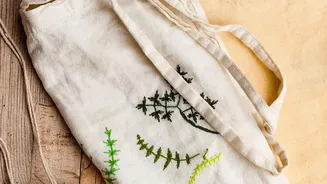
A major driver behind this trend is a growing consciousness among young Indians about the impact of fashion. Gen Z and millennials are increasingly wary of the fast fashion cycle and are seeking out alternatives that are both ethical and environmentally friendly. Handloom textiles, with their use of natural fibres and dyes and their handcrafted nature, fit perfectly into this 'slow fashion' mindset. Choosing a handwoven garment is seen as an investment in quality craftsmanship and a vote against industrial overproduction. This generation understands that by wearing handloom, they are not only making a style statement but also supporting the livelihoods of artisan communities and helping to keep ancient crafts alive.
The Power of the Digital Weave
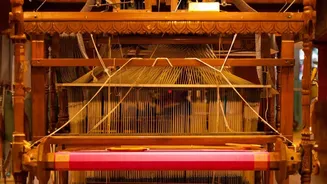
Social media has played a crucial role in this resurgence. Platforms like Instagram have become virtual showrooms, allowing artisans and indie brands to connect directly with a global audience, bypassing traditional retail gatekeepers. Through compelling visual storytelling—from behind-the-scenes videos of the weaving process to styling tutorials—they are building authentic connections with young consumers. Influencers and fashion creators share innovative ways to style handloom pieces, showing how a traditional dupatta can be layered over a graphic tee or a saree draped with a belt and sneakers. This digital exposure has democratised fashion, making these once-regional textiles a part of a national and even global conversation.