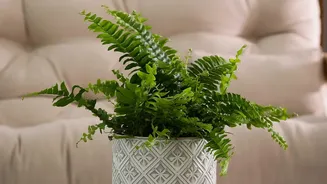





The lush, delicate fronds of a fern can make any room feel like a tranquil forest retreat. But keeping them vibrant can be tricky. The secret to happy ferns might just be sitting on your counter: the right kind of water at the right temperature.
Why Your Fern Craves Humidity
Ferns
are ancient plants that naturally thrive in damp, shaded environments like forest floors, where the air is thick with moisture. The typical Indian home, especially with air conditioning or heating, can be incredibly dry by comparison. This is why many fern owners notice crispy, brown edges on the leaves—it's a sign the plant is thirsty for humidity. Misting is a simple way to replicate the moist conditions of a fern's native habitat. A fine spray of water on the fronds provides a temporary boost in local humidity, which can be crucial for these sensitive plants. Regular misting, ideally a few times a week, helps keep the foliage hydrated and green.
The Hidden Problem with Tap Water
Reaching for the tap seems like the easiest option, but it can cause problems for sensitive plants like ferns. Firstly, tap water is often cold, and spraying cold water can shock a plant's cells, a bit like a person jumping into an icy pool. This shock can slow growth and cause unsightly spots on the delicate fronds. Secondly, municipal tap water contains chlorine and other minerals to make it safe for us to drink. While generally not harmful in small doses, these chemicals can build up on leaves over time, leaving white mineral deposits and potentially damaging the plant's sensitive foliage. Some experts believe chlorine can also harm the beneficial microbes in the soil.
The 'Cost-Free' Solution: Better Water
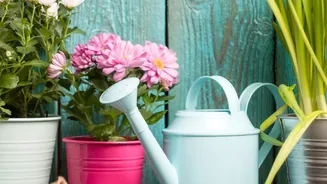
This is where the 'cost-free' part comes in. You don't need to buy expensive specialty products. The best water for your ferns is likely already available in your home. Using room-temperature water is the first and most important step. It avoids shocking the plant's system and mimics the temperature of natural rainwater. The easiest way to do this is to fill your watering can or spray bottle and let it sit out for an hour or overnight. This simple act of waiting not only brings the water to room temperature but also has another benefit: it helps some of the chlorine evaporate, making the water gentler on your fern.
Filtered and Leftover Water for the Win
To go a step further, consider what 'leftover' water you might have. The water from your home filter (like an Aquaguard or Brita) is an excellent choice. These filters are designed to remove chlorine and other impurities, making the water much safer for sensitive plants. Similarly, water that you've boiled for tea or cooking and allowed to cool completely is perfect. Boiling is a very effective way to remove chlorine. Even leftover water from a drinking glass is better than cold water straight from the tap. Using these sources ensures you're giving your fern clean hydration without the risk of mineral buildup or chemical burn.
A Simple Misting Guide
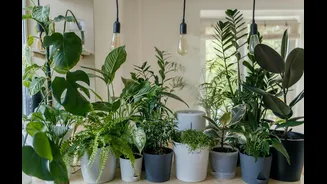
To get the most out of misting, consistency and technique matter more than quantity. Aim to mist your ferns in the morning. This gives the leaves plenty of time to absorb the moisture and for any excess to evaporate before nightfall, which helps prevent fungal issues. Use a spray bottle that produces a fine mist rather than large droplets. Gently spray the tops and undersides of the leaves until they are lightly dewy, not dripping wet. Grouping several plants together can also create a small pocket of humidity, as they all release moisture through a process called transpiration. This creates a beneficial micro-environment that helps all of them thrive.