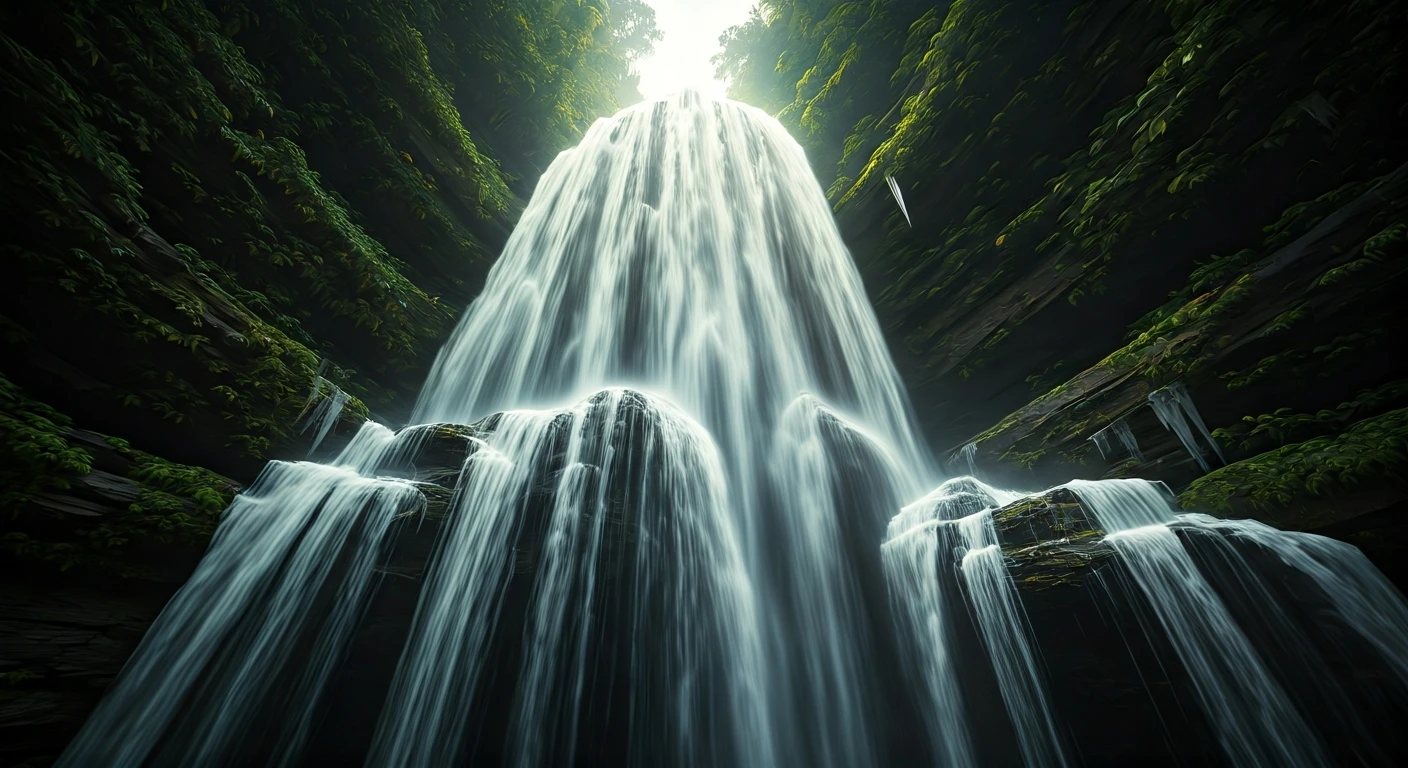








The Allure of the 'Impossible' Climb
For decades, the cardinal rule of rock climbing has been simple: if it rains, you pack up. Wet rock is notoriously treacherous, robbing climbers of the friction essential for safe and successful ascents. But for a dedicated subset of experienced adventurers,
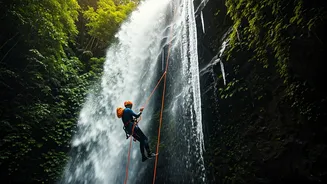
that rule is becoming more of a guideline. They aren't just getting caught in the rain; they are actively seeking it out. The motivation is complex, blending a desire for solitude on otherwise crowded routes with the profound mental and physical challenge that wet conditions present. It transforms a familiar cliff face into a completely new and unpredictable puzzle, demanding a higher level of mastery and a deeper connection to the movement and the environment.
A Different Kind of Grip
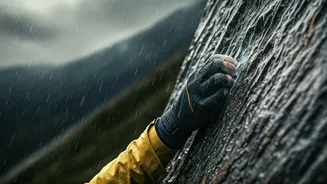
Climbing in the rain fundamentally alters the physics of the sport. The reliable, gritty texture of dry sandstone or limestone can turn glassy and slick, rendering standard techniques useless. Friction, the climber's best friend, all but disappears. This forces a complete shift in approach. Instead of relying on smearing their feet against the rock face for balance, climbers must hunt for positive holds—ledges, cracks, and crimps they can pull on, rather than push against. The type of rock becomes critical. Porous rock like sandstone becomes fragile and prone to breaking when saturated, making it a no-go zone. Granite and other non-porous rock types, while still slippery, hold their integrity, making them the preferred canvas for wet-weather climbers. Every move is a calculated risk, requiring slow, deliberate execution and an intimate knowledge of the route.
Gearing Up for the Downpour
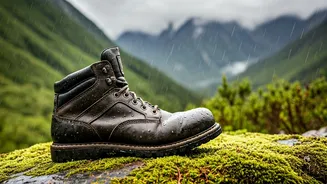
Standard climbing gear is designed for dry, optimal conditions. A rainy ascent, therefore, demands a specialised kit. The first line of defence is the rope. Climbers use 'dry-treated' ropes, which are coated with a hydrophobic chemical to prevent them from absorbing water. A waterlogged rope becomes incredibly heavy, difficult to handle, and loses a significant amount of its dynamic strength, which is crucial for catching a fall safely. Footwear is also key. While no shoe is perfect on wet rock, climbers often prefer softer, stickier rubber compounds that can better conform to the rock's micro-textures. As for chalk, the white powder climbers use to dry their hands, it’s mostly useless. In heavy rain, it turns into a slimy paste. Instead, the focus is on technique, body positioning, and a powerful, unwavering grip.
The Mental Game of a Wet Ascent
Beyond the physical test, climbing in the rain is a profound psychological battle. The constant sensory input of cold water, the heightened risk of a slip, and the sheer difficulty of every move demand an almost meditative level of focus. There is no room for a wandering mind. Every hand and foot placement must be tested and trusted with a degree of certainty far beyond what a dry climb requires. This intense concentration is part of the appeal. It quiets the external world, leaving only the climber and the rock. It's a practice in controlling fear and maintaining composure when every instinct is screaming to stop. The mental fortitude required to push through, knowing the margins for error are razor-thin, is what separates this discipline from regular climbing. It’s less about conquering the rock and more about conquering one’s own mind.
This Is Not for Beginners
It cannot be stressed enough: this is an activity for seasoned experts only. The risks are magnified exponentially. A simple slip can lead to a dangerous fall, and gear placements can be less secure in wet cracks. Hypothermia is another serious threat, as cold rain and wind can quickly sap a climber's body heat, impairing judgment and physical ability. Anyone attempting to climb in the rain must have years of experience, a deep understanding of risk management, and mastery of advanced rescue techniques. This isn’t about taking unnecessary risks for a thrill; it’s about meticulously managing a high-risk environment with an elite level of skill. For those without the requisite experience, the old rule still stands: when the rain starts, it’s time to go home.