



More Than Just a Lunchbox
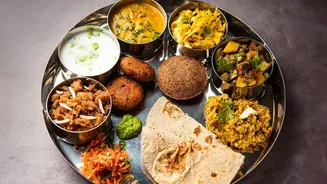
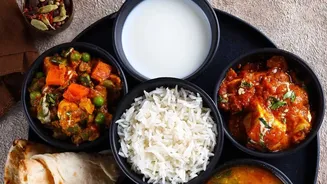
At first glance, the Japanese bento and the Indian tiffin seem to serve the same purpose: transporting a home-cooked meal. But their philosophies differ. The traditional Indian tiffin, or dabba, is a marvel of vertical, stacked engineering, designed to carry
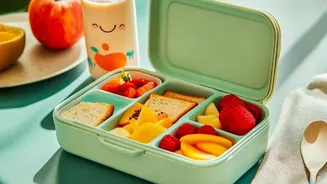
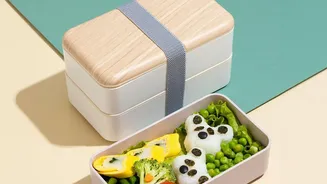
generous portions of dal, sabzi, and roti, with each tier keeping the components separate. The bento box, however, is a single-level container with multiple compartments, championing a different set of principles: balance, portion control, and visual artistry. A traditional bento is meticulously arranged with rice, protein, and vegetables, creating a meal that is as satisfying to look at as it is to eat. It’s this focus on presentation and mindful eating that is capturing the imagination of modern Indian home cooks.
The Allure of the Compartment
So why is this Japanese concept gaining traction in Indian kitchens? The reasons are rooted in contemporary lifestyle shifts. The compartmentalised layout is perfect for portion control, a key factor for a growing number of health-conscious individuals. It also solves a timeless lunchbox problem: different foods touching. The neat separation ensures that a salad stays crisp, fruit remains fresh, and a semi-dry curry doesn’t seep into the rice. This structure offers a way to pack a variety of textures and flavours without them becoming a single, homogenous meal by lunchtime. For busy parents, it’s also a creative solution for picky eaters, making food more attractive and fun.
What Goes into an Indian Veg Bento?
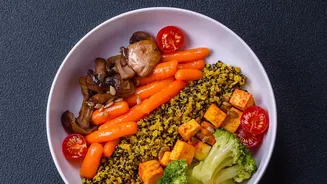
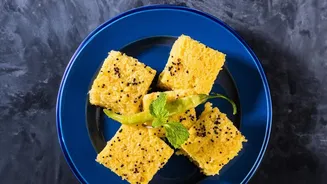
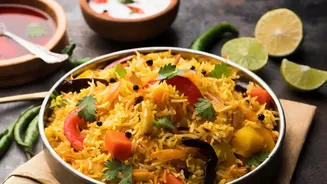
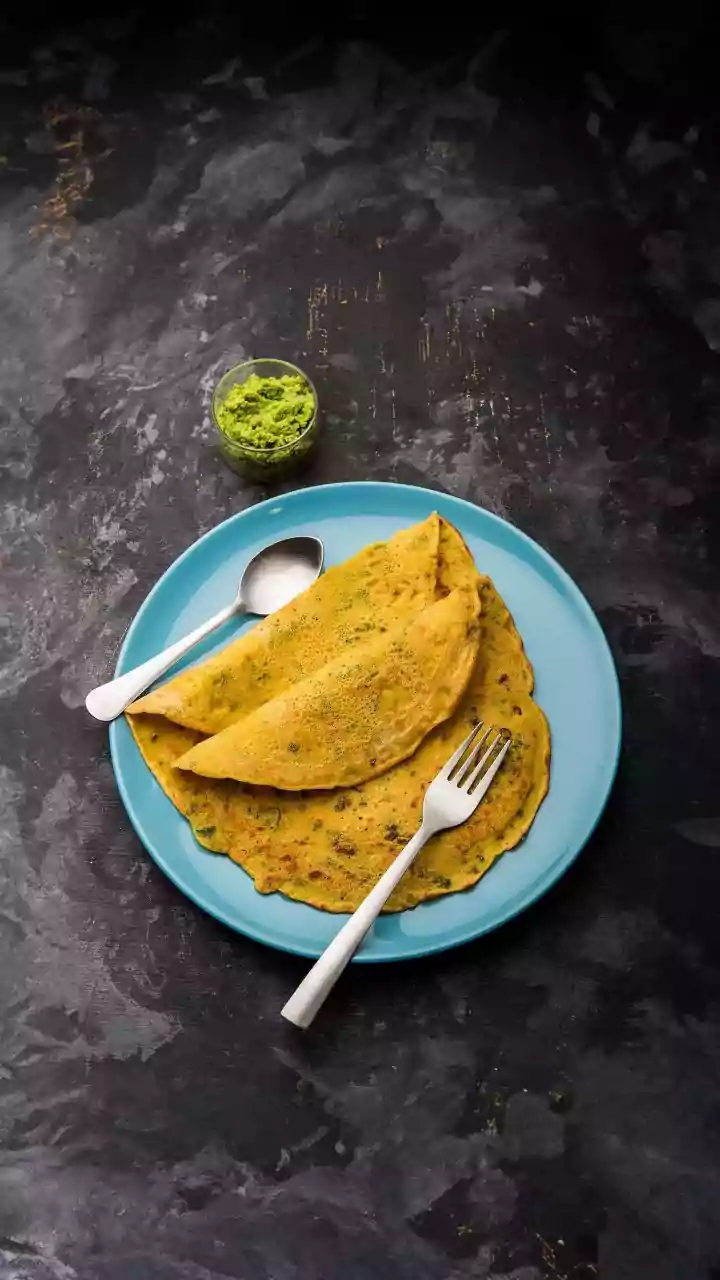
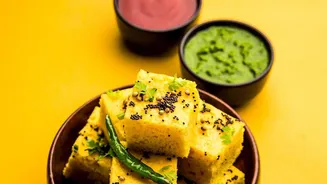
This trend isn't about replacing Indian food with Japanese cuisine; it's about presenting familiar flavours in a new format. Home cooks are filling these boxes with colourful, vegetarian staples. Instead of sushi rolls, you might find bite-sized chana masala wraps or roti rolls filled with paneer bhurji. A bed of jeera rice or quinoa pulao might take the place of plain steamed rice. The other compartments get filled with vibrant additions like a small portion of palak paneer, a refreshing chickpea salad with chaat masala, roasted sweet potatoes, or mini uttapams. To complete the meal, a section is often reserved for sliced fruits, a handful of nuts, or even a single gulab jamun for a sweet finish.
A Feast for the Eyes
A significant driver of the bento trend is its undeniable visual appeal, making it a star on social media platforms. The mantra 'we eat with our eyes first' is central to the bento philosophy. The format encourages cooks to think about colour, contrast, and arrangement. A sprinkle of fresh coriander, brightly sliced cucumbers and carrots, and the rich tones of a vegetable curry create a 'mini thali' effect that feels both organised and abundant. This aesthetic consideration transforms an everyday meal into a small moment of joy, a well-deserved, beautiful break in the middle of a busy day. It’s a move away from purely functional packed lunches towards a more mindful and enjoyable experience.
The Tiffin Gets a Modern Makeover
This adoption of the bento box isn't a rejection of the beloved Indian tiffin but rather its evolution. The tradition of carrying dabbas filled with home-cooked food is deeply ingrained in Indian culture, a daily expression of care and connection. The Indian-style bento is simply the next chapter in this story. It merges a global aesthetic with hyper-local flavours, reflecting a modern Indian identity that is both rooted in tradition and open to new ideas. It acknowledges that in today's fast-paced world, convenience, health, and a little bit of beauty in our daily routines matter more than ever.