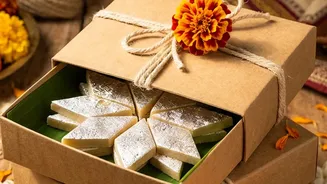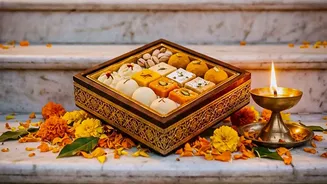




Diwali is a time for joy, family, and of course, indulgent sweets. But celebrating the festival of lights doesn't have to mean a sugar overload. With a few smart swaps and mindful choices, you can create a festive dessert table that is both delicious
and health-conscious.
Embrace Natural Sweeteners
The simplest way to make your Diwali sweets healthier is to move away from refined white sugar. Traditional Indian sweeteners not only add unique flavours but also offer trace nutrients. Jaggery (gur), for instance, provides a caramel-like depth and contains iron and magnesium. You can use it to make classics like besan ladoo or chikki. Dates are another excellent option, acting as a natural binder and sweetener for energy balls and barfis, often requiring no extra sugar at all. Other choices include coconut sugar, which has a lower glycemic index than table sugar, and honey, known for its antioxidant properties. For a zero-calorie option, especially for those managing blood sugar, stevia or monk fruit can sweeten treats without a glycemic impact.
Rethink Your Cooking Methods
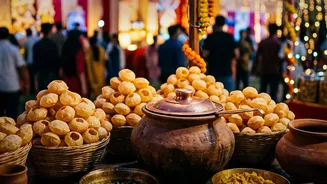
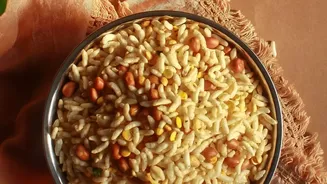
Many beloved Diwali snacks and sweets like gujiya and shankarpali are traditionally deep-fried. This year, consider baking or air-frying them instead. Baking uses significantly less oil, which drastically cuts down on the overall calorie and fat content. A baked gujiya, for example, can be filled with a nutritious mix of nuts, coconut, and dates and still emerge wonderfully crisp. Roasting is another fantastic dry-heat method that enhances the natural flavours of ingredients like nuts, seeds, and makhana (fox nuts) without adding oil. This simple switch in cooking technique allows you to enjoy the snacks you love in a much lighter, healthier format.
Incorporate Whole Foods
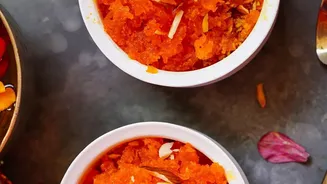
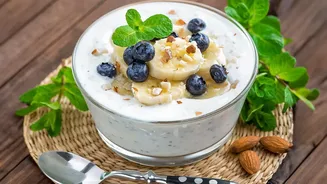
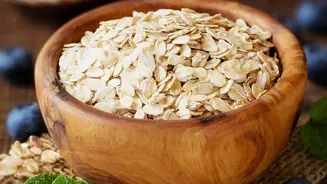
Make your sweets work for you by packing them with nutrient-dense ingredients. Nuts and seeds like almonds, walnuts, pistachios, and sesame seeds are rich in healthy fats, protein, and fibre. Incorporate them generously into ladoos, barfis, and halwas. Using whole grains and millets is another great strategy. Ladoos made from ragi (finger millet) or oats offer more fibre and nutrients than those made with refined flour. Fruits can also play a starring role. A fruit-based kheer or a shrikhand topped with fresh pomegranate seeds provides natural sweetness and vitamins. Sweets like anjeer barfi (fig fudge) or date and nut ladoos are prime examples of desserts where whole foods are the main event.
Focus on Portion Control and Presentation
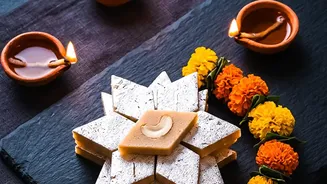
Often, the challenge isn't the sweet itself, but the quantity we consume. A mindful approach to serving can make a big difference. Opt to make bite-sized versions of your favourite mithai, like mini ladoos or smaller squares of barfi. This allows guests (and you) to sample a variety of treats without overindulging. When setting up your dessert table, use smaller plates and bowls. Nutritionists suggest that choosing one or two of your absolute favourite sweets and savouring them slowly is more satisfying than mindlessly trying everything. Eating slowly gives your brain time to register fullness, helping to prevent overeating.
Offer a Variety of Textures and Flavours
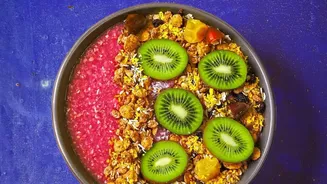
A truly appealing dessert table offers a journey of tastes and textures. Balance the rich, dense mithai with lighter, fresher options. Alongside the traditional barfis and ladoos, consider including a platter of fresh, seasonal fruits like figs, grapes, and pomegranate. A bowl of saffron-infused Greek yogurt shrikhand can provide a creamy, tangy contrast to sweeter items. You could also feature a crunchy, roasted chivda or a platter of mixed nuts and seeds. This variety not only makes the table more visually appealing but also ensures there is something for everyone, including guests who may prefer less sugary options.