


The Science of Creamy Ice Cream
The key to creamy ice cream is managing ice crystals. In traditional recipes, refined sugar plays a huge role; it lowers the freezing point of the mixture, preventing large, crunchy ice crystals from forming. Without it, ice cream can turn into a solid,
icy block. To make a creamy, sugar-free version, we need to find other ways to achieve that smooth texture. The secret lies in three things: fat, natural sweeteners that inhibit freezing, and proper technique. Full-fat ingredients like heavy cream, full-fat coconut milk, and egg yolks provide the richness and emulsification needed to keep the texture smooth. These fats coat the tiny ice crystals, preventing them from growing larger and creating that desirable, scoopable consistency.
Choose Your Natural Sweetener
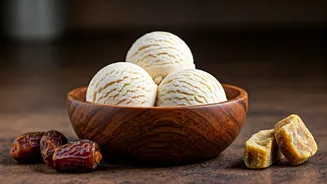
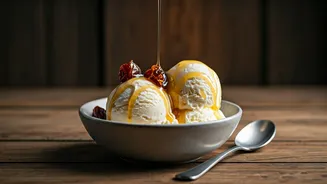
Ditching refined sugar doesn’t mean your ice cream has to be bland. Several natural alternatives can provide sweetness along with unique flavour notes. Dates are a fantastic option, offering a caramel-like sweetness and a wealth of nutrients. Soaking and blending them into a paste creates a smooth base. Maple syrup and honey are also excellent choices; they are liquid sweeteners that, like sugar, can help lower the freezing point of the base, contributing to a softer final product. For those watching calories, monk fruit and stevia are natural, zero-calorie options, though they may need to be combined with other ingredients to achieve the best texture. In India, a high-quality, liquid jaggery could also be a wonderful, locally-inspired choice.
The Easiest Method: Banana 'Nice' Cream
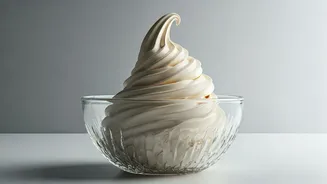
For an almost instant and incredibly simple treat, nothing beats 'nice' cream. The magic ingredient is frozen ripe bananas. Their natural sweetness and pectin content create a surprisingly creamy, soft-serve-like texture when blended. Simply chop a few ripe bananas, freeze them solid on a tray, and then blend them in a high-powered blender or food processor until smooth. You can add a splash of plant-based milk if needed. This base is a blank canvas: add cocoa powder for a chocolate version, a handful of frozen berries for a fruity twist, or a spoonful of peanut butter for a nutty delight. It’s a guilt-free treat you can whip up in minutes.
For a Richer Scoop: The Custard Base
If you own an ice cream maker and crave a more traditional, decadent texture, a custard base is the way to go. This method involves cooking egg yolks with milk and a natural sweetener to create a rich, thick base. For a date-sweetened version, you can warm milk and cream with chopped dates, allowing them to soften before blending everything until smooth. Then, temper the warm milk into whisked egg yolks before gently cooking the entire mixture until it thickens enough to coat the back of a spoon. This base must be chilled completely—ideally overnight—before churning in your ice cream maker. This process develops flavour and ensures the creamiest result.
No-Churn, No Problem
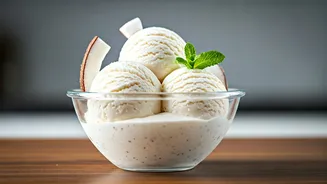
Don’t have an ice cream maker? You can still achieve creamy results. The most popular no-churn method involves whipping heavy cream to stiff peaks and gently folding in sweetened condensed milk. To make this without refined sugar, you can create your own naturally sweetened condensed milk by simmering full-fat coconut milk with a sweetener like maple syrup or a date paste until it has reduced and thickened. Once you fold this into your whipped cream, pour the mixture into a loaf pan, cover, and freeze for at least six hours. The whipped cream provides the aeration that a churner normally would, resulting in a light and airy ice cream.
Pro Tips for a Smooth Finish
To take your homemade ice cream to the next level and avoid iciness, keep these tips in mind. First, ensure all your ingredients and equipment are as cold as possible. Chill your ice cream base thoroughly, and even pre-freeze the container you plan to store it in. This encourages faster freezing, which leads to smaller ice crystals. Adding a tablespoon of a neutral spirit like vodka (for adult versions) can also help, as alcohol doesn't freeze solid and keeps the ice cream softer. Finally, to prevent freezer burn and crystal formation on the surface, press a piece of parchment paper or plastic wrap directly onto the surface of the ice cream before sealing the container.