








The Problem with a Single Number
In our quest for quick information, we’ve come to rely on that single, big temperature figure on our weather apps. It’s clean, simple, and easy to understand. But air temperature alone is a fundamentally incomplete way to gauge how the weather will actually
impact your body. It’s a bit like judging a meal by only one of its ingredients. Without considering humidity, that number on your screen can be misleading and, in some cases, even dangerous. High humidity makes the same air temperature feel much more intense, a physical effect that goes beyond just personal perception.
How Humidity Hijacks Your Body's AC
Your body has a brilliant, built-in air conditioning system: sweating. When sweat evaporates from your skin, it takes heat with it, cooling you down. It’s a highly effective process. But it has an Achilles' heel: humidity. Humidity is the amount of water vapour in the air. When the air is already saturated with moisture (high humidity), your sweat can't evaporate as efficiently. The cooling process slows down dramatically, leaving you feeling sticky, uncomfortable, and much hotter than the thermometer reading suggests. This is why a 35°C day in a dry climate can feel more comfortable than a 32°C day in a humid, coastal city.
Why 'Feels Like' Is the Metric That Matters
This is where the 'heat index', often labelled as the “feels like” temperature, becomes crucial. The heat index is a calculation that combines air temperature with relative humidity to give you a much more accurate idea of how hot it feels to the human body. For example, an air temperature of 33°C with 70% humidity can feel like a staggering 43°C. Ignoring this value means you might not be preparing for the actual stress your body will be under. This isn't just about comfort; it's a serious health issue. Prolonged exposure to high heat index values dramatically increases the risk of heat-related illnesses like dehydration, heat exhaustion, and even life-threatening heatstroke.
Finding the Full Story in Your App
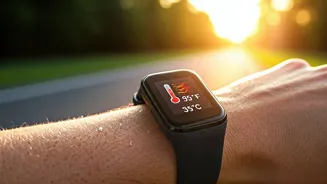
The good news is that most modern weather apps already have this information, but you might need to look for it. It's often displayed in a smaller font right under the main temperature. Look for terms like “Feels Like,” “Heat Index,” or “Apparent Temperature.” Make a conscious effort to treat this number, not the air temperature, as your guide for the day. Some advanced apps even offer detailed hourly breakdowns of the heat index, which can be invaluable for planning outdoor activities, exercise, or even just your commute. Prioritising the 'feels like' temperature helps you make smarter decisions, like hydrating more, seeking shade, or rescheduling strenuous activities.