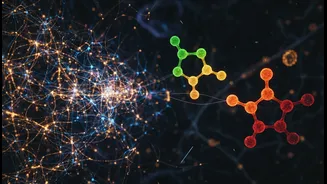




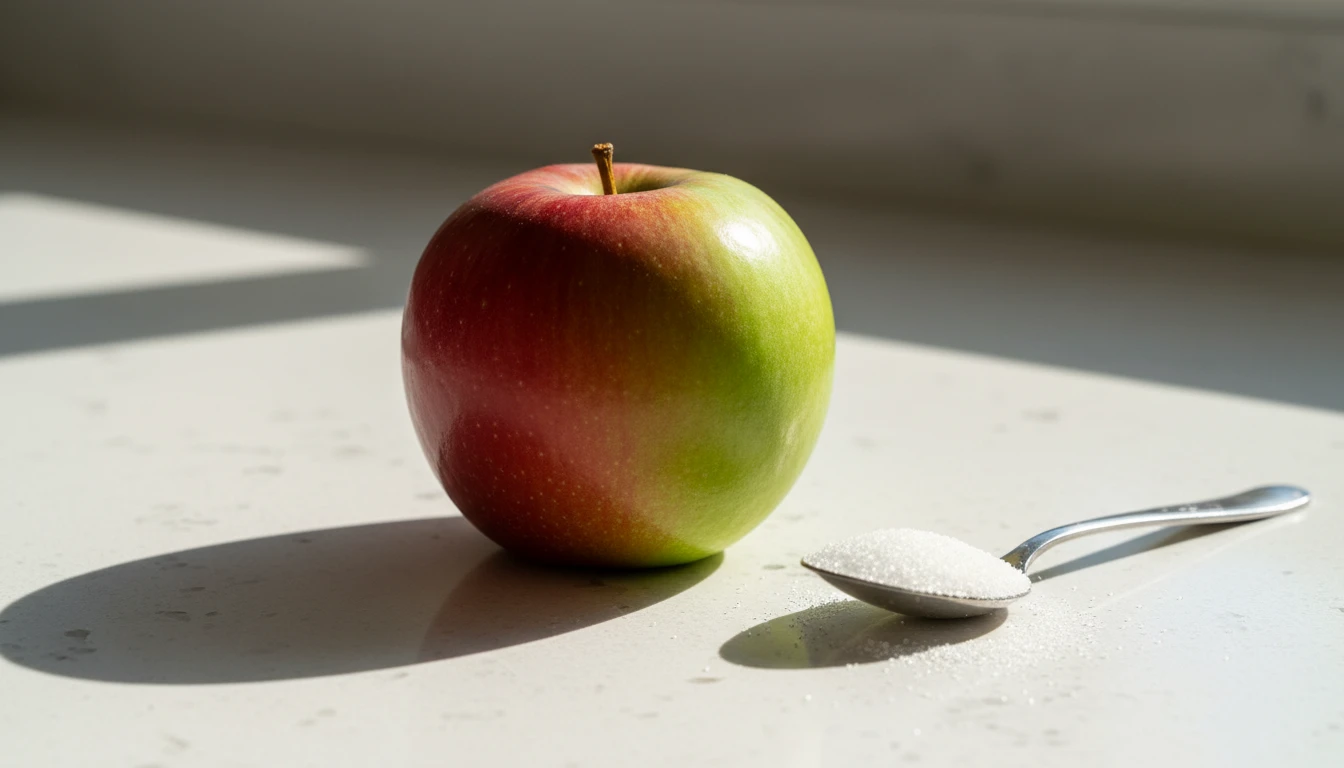


Meet the Sugars: A Tale of Two Molecules
On the surface, glucose and fructose are simple sugars, both providing the same number of calories per gram. Glucose, the body's primary fuel source, is found in foods like bread and rice and is what your body metabolises for immediate energy. Fructose,
on the other hand, is the main sugar in fruits and is a key component of high-fructose corn syrup, a sweetener ubiquitous in processed foods and sugary drinks. For a long time, the assumption was that a calorie is a calorie, and these sugars were largely interchangeable in how they affect hunger. However, groundbreaking research is revealing that this couldn't be further from the truth. The way our gut and brain respond to these two molecules is dramatically different, a discovery that is reshaping our understanding of appetite and food choices.
The Gut-Brain Superhighway
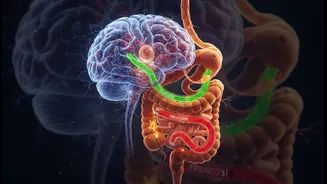
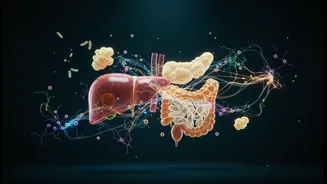
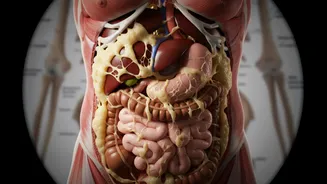
At the heart of this discovery is the gut-brain axis, an intricate communication network that connects your digestive system to your central nervous system. This superhighway allows the gut to constantly send updates to the brain about the nutrients it's processing. Think of it as a biological feedback loop. When you eat, specialized cells in the gut lining detect the nutrients and relay signals—via hormones and nerves like the vagus nerve—to the brain, which then regulates feelings of hunger and fullness. This system is designed to tell your brain when you've had enough energy. Recent studies using mice have shown that this system is incredibly sophisticated, capable of distinguishing not just between fats and sugars, but between different types of sugars, and sending unique signals for each.
A Tale of Two Different Signals
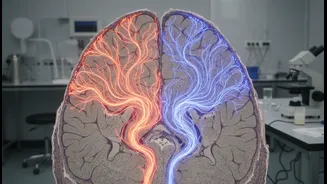
This is where the story gets fascinating. When you consume glucose, it triggers a strong response in the gut-brain axis. It effectively tells hunger-promoting brain cells, known as AgRP neurons, to quiet down, resulting in a clear feeling of satiety or fullness. Glucose sends a powerful signal that says, "Energy received, you can stop eating now." Fructose, however, sends a much weaker signal. Research from the Monell Chemical Senses Center found that fructose uses a different, less effective pathway to communicate with the brain. While it does trigger the release of a gut hormone called PYY, its ability to suppress those same hunger-promoting AgRP neurons is significantly more modest. The result is that even with the same caloric intake, fructose does not satisfy hunger as effectively as glucose does.
Why This Affects Your Cravings
This difference in signalling has profound implications for our eating habits and preferences. Because fructose doesn't quell hunger signals as strongly, it can lead to overconsumption. This may help explain why foods and drinks sweetened with high-fructose corn syrup can be particularly appealing and easy to consume in large quantities. Studies in mice showed that while both sugars reduced short-term food intake, the animals eventually developed a preference for glucose and high-fructose corn syrup over fructose alone, aligning with how effectively each sugar silenced the brain's hunger alarms. Essentially, the brain learns which energy sources are most satisfying and develops a preference for them. The weak signal from fructose may leave you feeling less full, and more likely to seek out additional food.
The Future of Gut-Brain Research
Understanding this complex signalling is crucial for the success of future nutritional science. The old model that focused solely on calories is being replaced by a more nuanced view that considers the specific identity of nutrients and their unique effects on our physiology. The discovery of these separate gut-brain pathways for glucose and fructose opens up new avenues for research into obesity, diabetes, and other metabolic disorders. The success of this research hinges on untangling these intricate circuits. Scientists are now exploring how to potentially regulate these pathways to develop more effective anti-obesity strategies. By understanding why our brains might be subtly programmed to seek out certain combinations of nutrients, researchers hope to develop interventions that could help people make healthier choices.