






A New Gateway for Mumbai
The recently inaugurated Navi Mumbai International Airport (NMIA) marks a significant milestone in India's aviation infrastructure. Built to alleviate pressure on the congested Chhatrapati Shivaji Maharaj International Airport (CSMIA), NMIA is a sprawling,
modern facility designed to serve the Mumbai Metropolitan Region. With its lotus-themed design and capacity to handle millions of passengers annually, the airport is poised to become a critical hub for both domestic and international travel. For residents of Navi Mumbai and surrounding areas, the airport offers unprecedented convenience, cutting down on long commutes to CSMIA and providing a less stressful start to their journeys. Commercial operations began in late 2025, and the airport is now steadily increasing its roster of flights and airlines.
The Strategic Abu Dhabi Connection
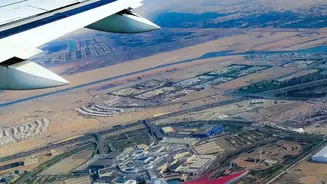
The launch of direct flights to Abu Dhabi is a pivotal moment for Navi Mumbai International Airport, marking its entry into global travel. Air India Express was the first to operate on this route, making the UAE capital the inaugural international destination from the new airport. The service connects travellers directly to Zayed International Airport, a major global hub. This link is not just for those ending their journey in Abu Dhabi; it opens up a vast network of connecting flights to destinations across the Middle East, Europe, North America, and beyond. The route primarily serves a mix of tourists, business travellers, and a significant population of expatriate workers travelling between India and the Gulf region.
A Growing Roster of International Flights
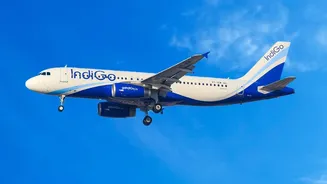
The Navi Mumbai-Abu Dhabi service is part of a broader trend of expanding international connectivity across India. In line with a plan to redevelop Terminal 1 at Mumbai's main airport, several airlines are progressively shifting their West Asia services to Navi Mumbai. Carriers like IndiGo and Air India Express have announced plans to move flights to destinations such as Jeddah, Riyadh, Dammam, Doha, and Kuwait to NMIA throughout 2027. This move is set to transform Navi Mumbai into a significant gateway for travel to the Gulf. Beyond Mumbai, airlines have been launching new routes from various Indian cities, including Kolkata to Shanghai, Mumbai to Tokyo, and Bengaluru to Zurich, reflecting a robust and growing demand for international travel among Indians.
What This Means for Indian Travellers
This expansion translates into tangible benefits for passengers. The establishment of a second major international airport in the Mumbai region introduces greater competition, which can lead to more competitive airfares. It provides travellers with more choices in terms of airlines, timings, and routes. For millions of people living closer to Navi Mumbai, the new airport drastically reduces travel time and logistical hassles. Furthermore, India's growing domestic network, powered by schemes like UDAN, is strengthening connections between Tier-2 and Tier-3 cities and these new international gateways. This creates a more integrated travel ecosystem, making it easier for people from all over the country to access global destinations. The increase in flight capacity also supports India's booming tourism and trade sectors.
The Bigger Picture: India's Aviation Boom
India is on track to become the world's third-largest aviation market, driven by a rising middle class, increased government focus on infrastructure, and ambitious fleet expansion by its airlines. The country's airport network has expanded dramatically, from 74 airports in 2014 to over 160 in 2026. Indian carriers have placed massive orders for new aircraft, signalling their intent to capture a larger share of both domestic and international traffic. The government's vision includes further increasing the number of operational airports and developing India as a global hub for aircraft Maintenance, Repair, and Overhaul (MRO). The new route from Navi Mumbai is not just another flight path; it's a symbol of this larger transformation, underscoring India's growing prominence on the world aviation map.