



An Old Treasure, Rediscovered
Palm jaggery is hardly new. For generations, it has been a staple sweetener, known as *Karupatti* in Tamil Nadu and *Nolen Gur* in West Bengal. Made from the sap of palm trees like palmyra, date, or toddy palms, this unrefined sugar is a world away from the stark
whiteness of its processed cousin. The process is beautifully rustic: sap is collected, boiled in large vats for hours, and then cooled into blocks or sold as a viscous liquid. What was once considered a simple, rural ingredient is now being championed by urban chefs and artisanal creators, who are falling in love with its depth and character.
A Flavour Profile Like No Other
So, what’s all the fuss about? Taste. Unlike refined sugar, which offers a one-dimensional, sharp sweetness, palm jaggery delivers a symphony of flavours. It has a deep, earthy caramel taste, often layered with smoky notes from the boiling process. Depending on the type of palm, you might detect hints of chocolate, coffee, or even a subtle saltiness. This complexity is what makes it so exciting for pastry chefs. It doesn't just sweeten a dish; it adds a distinct personality. Using palm jaggery is like switching from a single crayon to a full box of pastels—it opens up a whole new spectrum of creative possibilities.
Why the Sudden Obsession?
The resurgence of palm jaggery is fueled by a perfect storm of modern trends. Firstly, there's the wellness wave. As more people seek out 'cleaner' and more 'natural' alternatives to processed foods, unrefined sweeteners have gained a health halo. Palm jaggery retains more minerals like iron, magnesium, and potassium from the palm sap compared to heavily processed sugars. Secondly, there's a growing sense of culinary nostalgia and pride. Chefs and consumers alike are looking back into India’s rich pantry, rediscovering ingredients that connect them to their roots. This isn't just about flavour; it's about celebrating Indian heritage on a plate. Finally, its sheer versatility makes it an exciting ingredient for innovation, allowing chefs to put a distinctly Indian twist on global dessert formats.
Beyond Payasam and Sandesh
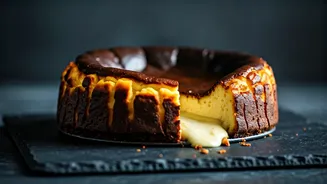
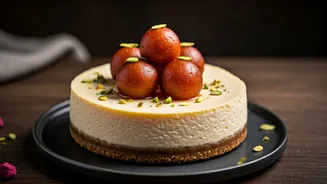
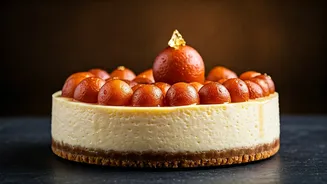
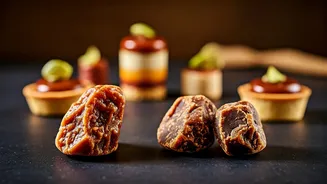
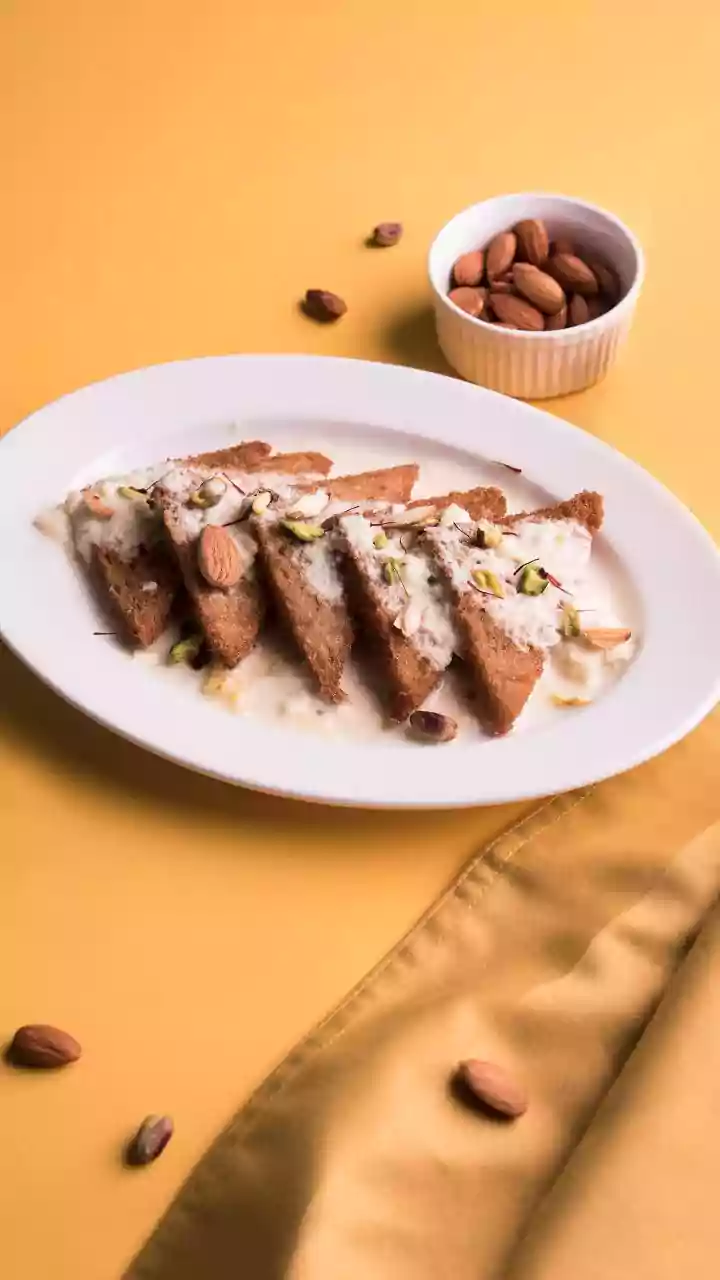
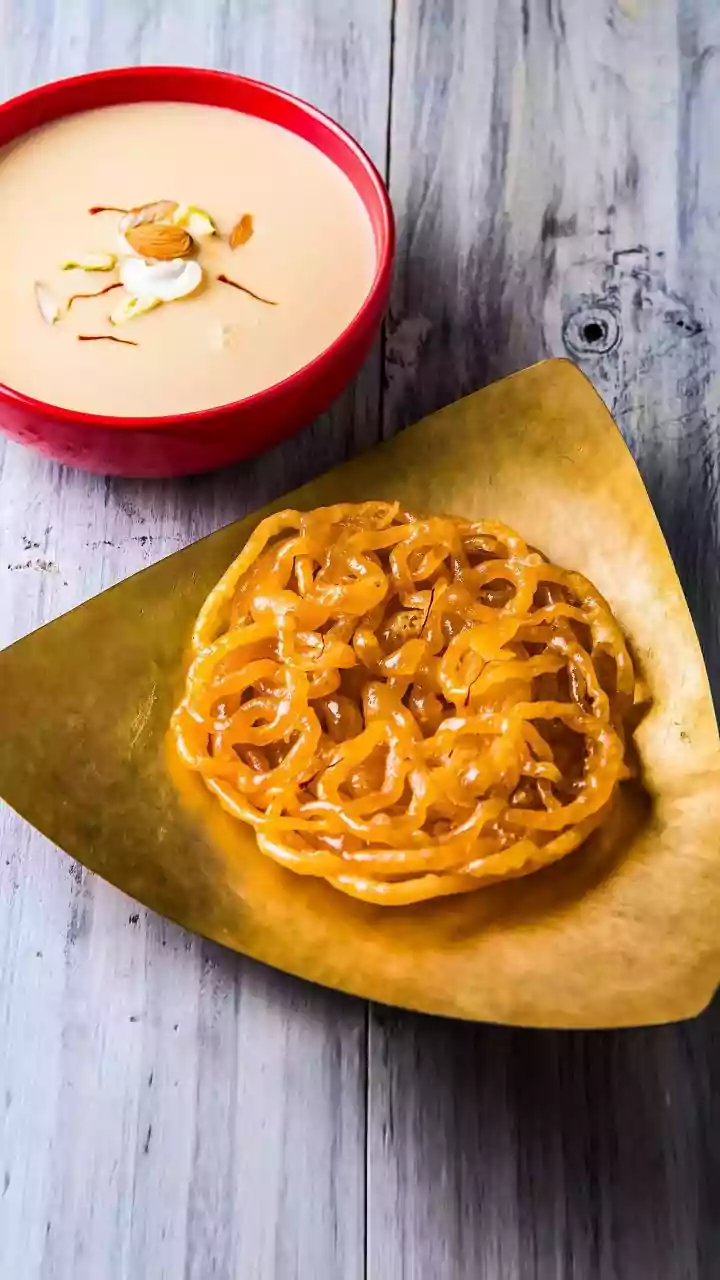
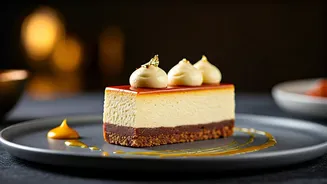
While palm jaggery has always been the heart of traditional sweets like *payasam*, *karupatti halwa*, and the iconic Bengali *sandesh*, its new life is in modern desserts. The trend sees it starring in ways that would have been unimaginable a decade ago. Think artisanal ice cream parlours swirling dark, gooey *Nolen Gur* into their scoops. Imagine a creamy cheesecake with a crumbly biscuit base, but instead of sugar, the filling is infused with the smoky sweetness of *Karupatti*. It's being whisked into panna cotta, drizzled over pancakes as a gourmet sauce, and even used to balance the bitterness in craft cocktails. Cafes in Mumbai, Bengaluru, and Delhi are proudly advertising 'Palm Jaggery Lattes' and 'Palm Sugar Brownies', turning a humble ingredient into a premium selling point.
The Rise of a Culinary Star
This isn't a fleeting trend but a fundamental shift in how we perceive local ingredients. Artisanal brands are sourcing high-quality, single-origin palm jaggery and marketing it as a gourmet product. Pastry chefs in five-star hotels are crafting entire dessert menus around its unique profile. This elevation from a commodity to a culinary star ensures its place in the modern Indian kitchen. It proves that innovation doesn't always mean looking for something new and exotic from abroad; sometimes, the most exciting discoveries are waiting to be rediscovered right in our own backyard. The palm jaggery obsession is a testament to the timeless appeal of authentic, unadulterated flavour.