




The Science of Sticky Sleep
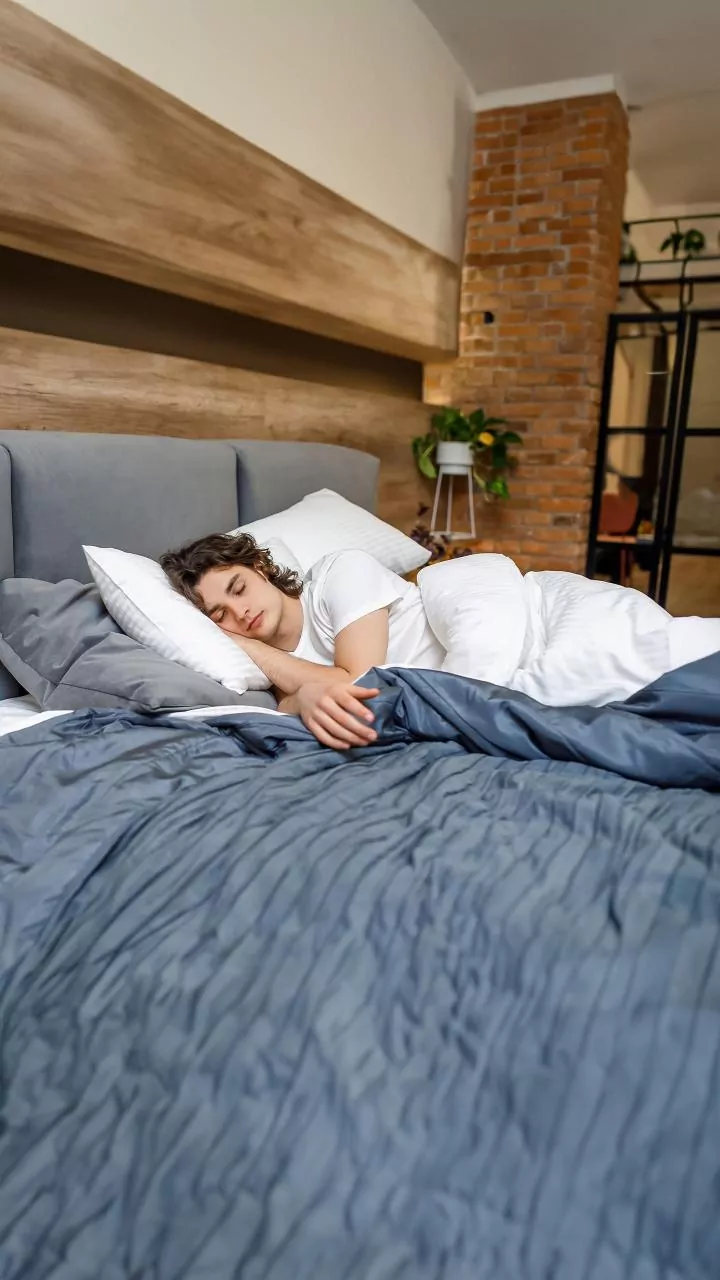
Ever wonder why you toss and turn on humid nights, kicking off covers only to feel clammy and unrested? The culprit is science. Your body’s primary cooling mechanism is sweating. As sweat evaporates from your skin, it takes heat with it, lowering your core
body temperature—a crucial step for initiating and maintaining deep sleep. However, when the air is already saturated with moisture, as it is during the monsoon, your sweat can't evaporate efficiently. This leaves you feeling sticky, overheated, and stuck in a cycle of wakefulness. Studies show that high humidity increases nighttime arousals and reduces the time spent in the most restorative stages of sleep, like deep NREM and REM sleep. Your body is working overtime just to cool down, preventing your brain from getting the quality rest it needs for recovery and memory consolidation.
The Unseen Guests: Mould and Mites
Beyond the immediate discomfort, a persistently damp bedroom creates the perfect breeding ground for unwelcome microscopic visitors: mould, mildew, and dust mites. Mould spores are always present in the air, but they only become a problem when they land on a surface with enough moisture to grow—like damp walls, clothes in a closet, or wooden furniture. Inhaling these spores can trigger a range of health issues, from allergy-like symptoms such as sneezing, coughing, and itchy eyes to more severe respiratory infections and asthma flare-ups. Similarly, dust mites, microscopic creatures that feed on dead skin cells, thrive in the warmth and high humidity of a monsoon bedroom. They absorb water from the air to survive, and humidity levels above 60% are ideal for them to multiply in mattresses, pillows, and carpets. Their waste products are a potent allergen, leading to congestion and breathing difficulties that further fragment your sleep.
Your First Line of Defence: Ventilation
The simplest and most crucial step to combatting a damp bedroom is improving air circulation. Trapped air is humid air. Make it a habit to open windows and doors for at least 15-30 minutes during the cooler, drier parts of the day, such as the early morning or late evening, to create cross-ventilation. Even a small window of opportunity can help flush out the stale, moisture-laden air and replace it with fresher air. Using exhaust fans in the kitchen and bathroom is non-negotiable, as they pull moisture-heavy air directly outside before it can circulate through the house. Ceiling fans are also excellent tools; while they don't lower humidity, they keep air moving, which helps sweat evaporate and prevents moisture from settling on surfaces and creating damp spots.
Smarter Tools for a Drier Room
When natural ventilation isn't enough, technology can help. Running your air conditioner in 'dry mode' is an effective way to pull moisture from the air without over-cooling the room. Remember to clean your AC filters regularly—at least every two weeks during the monsoon—as dirty filters can circulate mould spores and dust. For areas with severe dampness, a portable dehumidifier is an excellent investment. These appliances are specifically designed to extract water from the air, helping to maintain an ideal indoor humidity level, which experts suggest is between 40% and 60%.
Natural and Low-Cost Humidity Hacks
You don't need expensive gadgets to make a difference. Several household items are surprisingly effective at absorbing excess moisture. Placing open bowls of rock salt or baking soda in the corners of rooms, inside wardrobes, or under the bed can help draw moisture from the air. Coffee grounds also work well to absorb damp odours. Certain houseplants, such as peace lilies and spider plants, are known to absorb moisture through their leaves, acting as natural, living dehumidifiers. Another traditional and effective method involves using neem leaves, which have powerful antifungal properties. Boiling a handful of leaves and using the water to wipe down walls can help prevent mould growth. These small, consistent efforts can collectively create a much drier and healthier indoor environment.