

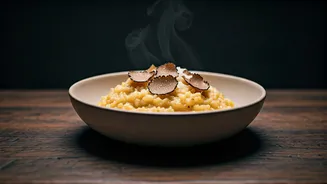
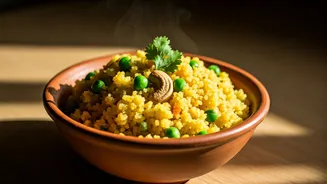


The Anatomy of a Comfort Bowl
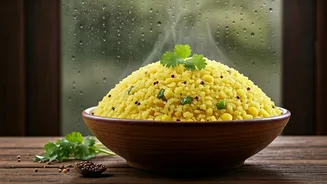
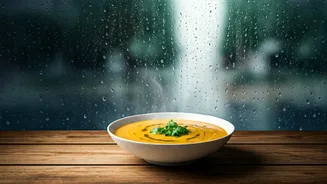
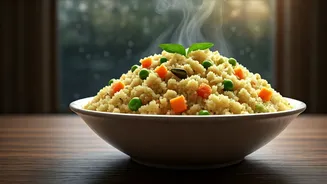
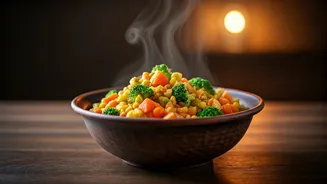
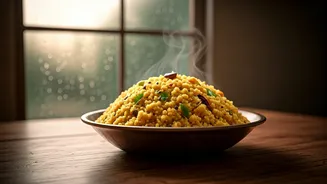
What is a 'comfort bowl'? It isn't one specific dish, but a category of food defined by a feeling. It’s the meal you turn to on a rainy day, when someone is feeling under the weather, or when the chaos of the week demands a simple, grounding anchor. In
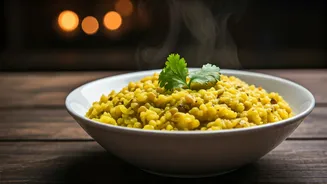
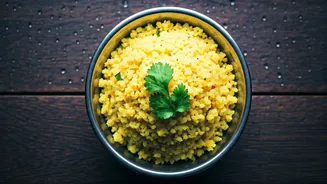
the Indian context, this is often a one-pot wonder. Think of a lovingly prepared khichdi, a simple dal-rice, or a nourishing soup. The key elements are consistent: it’s warm, easy to digest, made from pantry staples, and carries with it a sense of nostalgia and care. It’s the food equivalent of a hug from your mother—uncomplicated, deeply satisfying, and always there when you need it.
Why We Crave Comfort Food
The pull towards these foods is more than just hunger; it's psychological. Comfort foods are often rich in carbohydrates, which can help boost serotonin levels in the brain, leading to a calmer, happier mood. But the connection runs deeper. Many of our comfort food preferences are formed in childhood. A dish that was served to us when we were sick or as a regular, reliable family meal becomes encoded in our brains as a symbol of safety and love. The aroma of a familiar tadka or the texture of perfectly cooked dal can transport us back to a time when we felt cared for, making the meal a powerful tool for emotional regulation and stress relief in our adult lives.
Our Pick: The Ultimate Dal Palak
While every family has its own go-to, our nominee for the quintessential comfort bowl is a wholesome Dal Palak. Why? It strikes the perfect balance. It’s packed with protein from the lentils (we prefer a mix of toor and masoor dal for a creamy texture) and vitamins from the spinach. It’s flavourful enough to be interesting but gentle enough to be soothing. Best of all, it’s incredibly forgiving. You can make it in one pot, it requires minimal active cooking time, and it tastes even better the next day. It’s the reliable, nourishing workhorse your weekly meal plan has been missing.
The Recipe: A Simple Framework
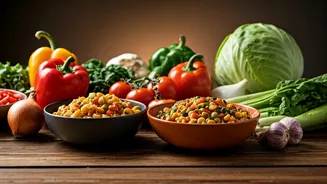
Think of this less as a strict recipe and more as a guide. Adjust the spices and consistency to your family’s liking. **Ingredients:** - 1 cup mixed dals (like toor/arhar and masoor), rinsed - 3 cups water - 1/2 tsp turmeric powder - Salt to taste - 2 cups chopped spinach (palak) - 1 tomato, finely chopped **For the Tadka (Tempering):** - 2 tbsp ghee - 1 tsp cumin seeds (jeera) - 2-3 cloves garlic, finely chopped - 1-2 dried red chillies - A pinch of asafoetida (hing) **Method:** 1. In a pressure cooker, combine the rinsed dals, water, turmeric, and salt. Cook for 3-4 whistles, or until the dal is completely soft and mushy. 2. Once the pressure releases, open the cooker and whisk the dal until smooth. Add the chopped tomato and spinach. Let it simmer on low heat for 5-7 minutes until the spinach is wilted and the raw smell of the tomato is gone. Adjust water for desired consistency. 3. For the tadka, heat ghee in a small pan. Add cumin seeds and let them splutter. Add the garlic and sauté until golden brown, then add the dried red chillies and hing. Cook for a few seconds more. 4. Pour the hot tadka over the dal. Stir well and serve hot.
Make It Your Family's Own
The beauty of a comfort bowl lies in its adaptability. This Dal Palak is just a starting point. For toddlers or those who prefer less heat, skip the dried red chillies in the tadka. On a cold winter’s night, add a teaspoon of grated ginger along with the dal for extra warmth. If you don't have spinach, you can use methi (fenugreek leaves) or even finely chopped carrots. Serve it with a bowl of steaming basmati rice, a soft roti, a dollop of plain yogurt, and a side of pickle. Encourage your family to get involved—let the kids help wash the dal or tear the spinach leaves. The shared experience is part of what transforms a simple meal into a cherished ritual.