



Paradise Under Pressure
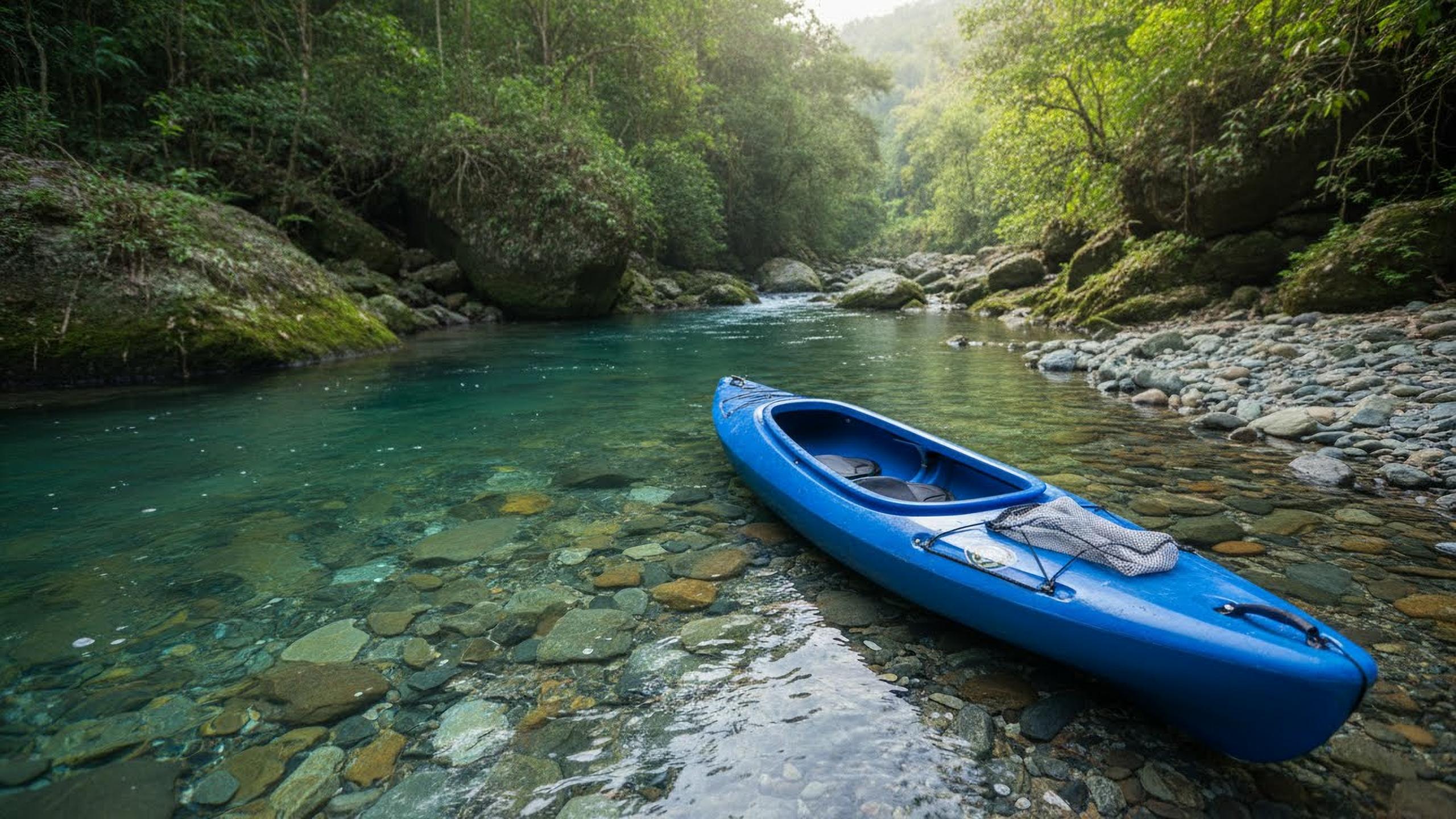
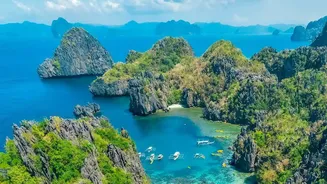
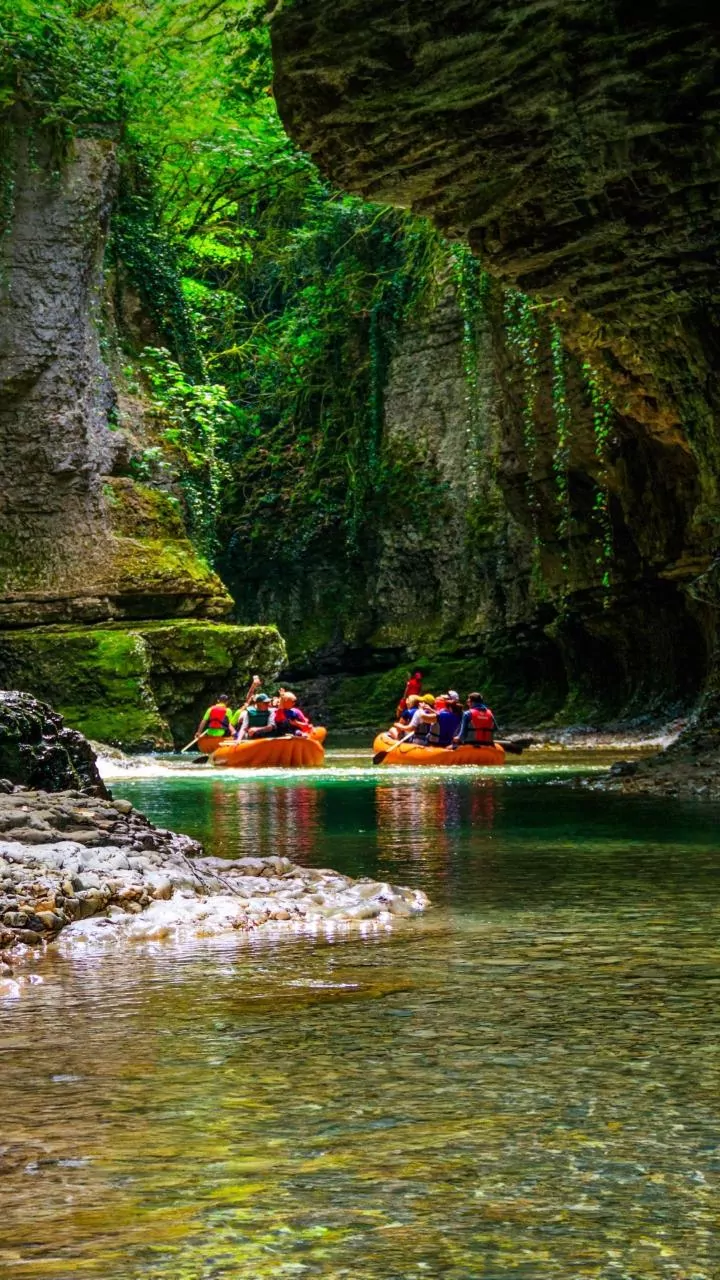
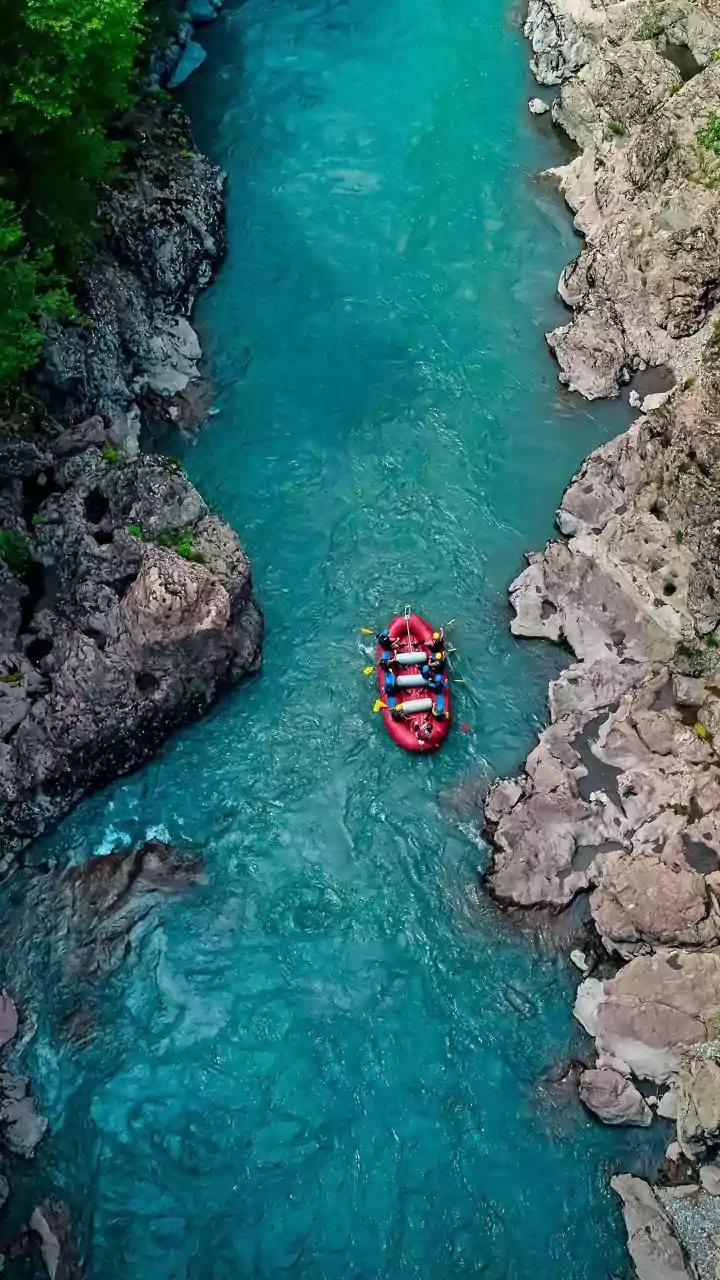
Meghalaya, the “abode of clouds,” is home to some of the world's most stunning rivers. The Umngot River, in particular, is legendary for its transparent, emerald waters, where boats appear to float in mid-air. This pristine beauty attracts tourists from
across the globe, supporting the livelihoods of countless local communities through boating, homestays, and adventure sports. However, increasing tourism and urbanisation have brought a growing crisis: pollution. Plastic waste, garbage, and even construction debris are finding their way into these vital waterways, threatening not only the scenery but the entire ecosystem. Rivers like the Wah Umkrah in Shillong have faced severe degradation, turning them into channels for city waste.
Paddlers with a Purpose
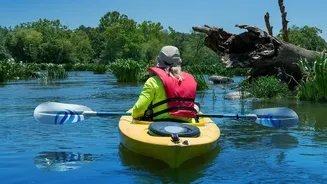
In response to this growing threat, a new kind of environmental stewardship has emerged. Local adventure companies and kayaking groups, whose livelihoods are intrinsically linked to the health of the rivers, are taking matters into their own hands. Groups like Pioneer Adventure Tours and initiatives such as Shillong Whitewater Village, originally focused on providing thrilling kayaking and rafting experiences, are now at the forefront of conservation. They recognised that they couldn't simply guide tourists through beautiful landscapes while ignoring the plastic bags and bottles accumulating along the riverbanks. This realisation has sparked a movement that combines adventure with activism.
The Anatomy of a Clean-Up Tour
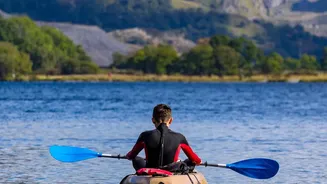
These are not your typical adventure tours. The mission is twofold: to experience the thrill of kayaking and to leave the river cleaner than they found it. During these specialised tours, participants are equipped not just with paddles and life jackets, but also with gloves and collection bags. Guides lead groups to sections of the river where waste tends to accumulate. As they paddle through serene waters and challenging rapids, kayakers collect floating trash and disembark to clean garbage from the riverbanks. The collected waste is then brought back, segregated, and handed over to local waste management authorities or recycling units. For instance, organisations like the Green Tech Foundation have used methods like trash traps on rivers near Shillong, collecting as much as 20 tons of waste from one river alone.
More Than Just Collecting Trash
The impact of these initiatives goes far beyond the sheer volume of waste collected. Each clean-up tour is an educational experience. It raises awareness among tourists, transforming them from passive observers into active participants in conservation. When travellers spend a day physically removing waste from a beautiful river, it creates a powerful and lasting connection to the environmental cause. This hands-on approach fosters a sense of responsibility that visitors take back home with them. Furthermore, these efforts inspire local communities, particularly the youth, to take pride in their natural heritage and participate in keeping it clean. The goal is to cultivate a widespread culture of environmental responsibility.
Challenges and the Way Forward
While these groups have made a significant impact, the challenge is immense. The fight against pollution is continuous and requires more than just periodic clean-ups. Issues like illegal dumping from construction projects and untreated urban sewage require systemic solutions and government intervention. In late 2025, the Umngot itself turned murky due to soil dumping from a road project, leading to fines and a significant drop in tourism. This incident highlighted the vulnerability of these ecosystems. The kayaking groups often operate with limited resources, relying on volunteer effort and contributions. Greater collaboration with government bodies, like the efforts seen with the Operation Clean-Up (OCU) team and the Meghalaya Institute of Governance, is crucial for long-term success.