


The Building Blocks: What Is a Complete Protein?
Think of protein as a long chain, and each link in that chain is an amino acid. Our bodies need 20 different amino acids to build everything from muscle tissue to hormones. Of these, nine are called 'essential amino acids' because our bodies cannot produce
them on their own; we must get them from our food. A food source that contains all nine of these essential amino acids in sufficient amounts is called a 'complete protein'. While animal products like meat, eggs, and dairy are naturally complete proteins, most individual plant-based foods are 'incomplete', meaning they are low in one or more of these essential building blocks.
The Perfect Partnership: Why Pulses and Grains Work Together
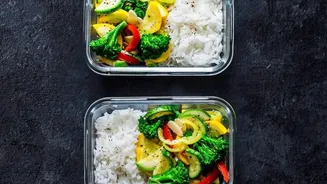
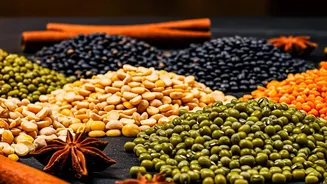
This is where the magic of pairing comes in. Plant-based food groups have different amino acid profiles that perfectly complement one another. Pulses—which include all our beloved dals like moong, masoor, and toor, as well as chickpeas (chana) and kidney beans (rajma)—are nutritional powerhouses. They are particularly rich in the essential amino acid lysine. However, they tend to be low in another essential amino acid, methionine. Whole grains like rice, wheat, and millets have the opposite profile: they have plenty of methionine but are typically low in lysine. When you eat them together, each food fills the nutritional gap of the other. The lysine from the dal compensates for the lack in the rice, and the methionine from the rice makes up for the shortfall in the dal. Together, they form a complete protein, providing your body with all nine essential amino acids it needs to thrive.
Indian Cuisine: A Masterclass in Protein Pairing
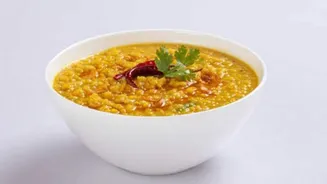
This nutritional strategy isn't a new discovery; it's deeply embedded in traditional Indian cuisine. Many of our most comforting and classic meals are, by design, complete protein combinations. Dal Chawal is the most iconic example, where lentils and rice work together perfectly. The same principle applies to Rajma Chawal, Chana Bhatura, and the simple, everyday Roti with Dal. Even South Indian staples like Idli and Dosa are perfect examples; the batter is made from fermented rice (a grain) and urad dal (a pulse). Khichdi, often considered a simple comfort food, is another nutritionally complete meal, combining rice and moong dal. These combinations were not created with amino acid charts, but through generations of culinary wisdom that understood how to create nourishing, balanced meals from plant-based ingredients.
Do You Need to Eat Them in the Same Meal?
For years, the popular belief was that you had to eat complementary proteins in the exact same meal for your body to use them effectively. However, modern nutritional science has debunked this myth. Our bodies are smarter than we give them credit for; they maintain a 'pool' of amino acids from the various foods we eat throughout the day. This means that as long as you consume a variety of plant-based protein sources over the course of a day—for instance, dal for lunch and roti for dinner—your body can pull the necessary amino acids to create its own complete proteins. So, while enjoying them together is delicious, there's no need to stress about perfect pairing in every single bite. The key is overall dietary diversity.
Beyond Pulses and Grains
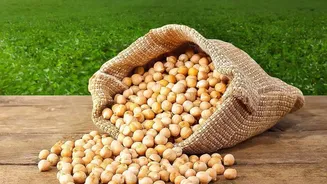
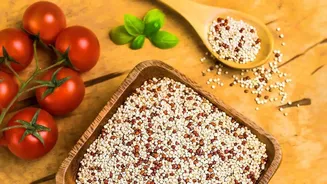
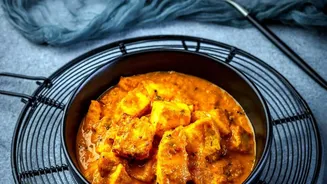
While the pulse-grain combination is a cornerstone of vegetarian protein, it's not the only way. Some plant-based foods are complete proteins all on their own. Soy products like tofu and soya chunks, for example, contain all nine essential amino acids. Pseudocereals like quinoa and amaranth (rajgira) are also considered complete proteins and are fantastic additions to a vegetarian diet. Furthermore, combining pulses or grains with dairy (like paneer or curd) also creates a complete protein profile, which is why a meal of dal, rice, and a side of yogurt is so nutritionally sound. By incorporating a mix of these different sources, vegetarians can easily meet their protein needs without any deficiency concerns.