


The Growing Problem of Textile Waste
Every year, households across India generate a staggering amount of textile waste. A 2026 report from the Ministry of Textiles estimated that the country discards around 70.7 lakh tonnes of textiles annually. Of this, a massive 58% is post-consumer waste—the
very clothes, bedding, and curtains we no longer use. Globally, the picture is just as concerning, with an estimated 92 million tons of textiles discarded each year. When these fabrics, especially non-biodegradable synthetics like polyester, end up in landfills, they can take up to 200 years to decompose. During this long process, they release harmful chemicals and dyes into the soil and groundwater, contributing to pollution and generating greenhouse gases. The production of new textiles also consumes immense resources, including water and energy, making the cycle of use and discard environmentally costly.
Upcycling: A Creative and Conscious Choice
Upcycling is the art of turning discarded materials into something new, often of higher value or quality than the original. Unlike recycling, which breaks materials down to their raw components, upcycling preserves the integrity of the fabric while giving it a new purpose. By choosing to repurpose the textiles already in your home, you actively divert waste from overflowing landfills and reduce the demand for new resource-intensive production. This approach supports a circular economy, where materials are kept in use for as long as possible. It’s a sustainable mindset that comes with a rewarding bonus: the opportunity to create something truly personal and unique for your home.
Aesthetic Upgrade with a Personal Story
Moving beyond sustainability, repurposing fabrics offers a fantastic aesthetic advantage. Mass-produced furniture can sometimes lack character, but a piece reupholstered with a beloved old saree or curtains made from a flowy dupatta tells a story. These unique textiles introduce texture, intricate patterns, and a rich colour palette that you simply can't find in a store. An old silk saree with a beautiful border can become a luxurious table runner, while a collection of cotton dupattas can be stitched together to create a vibrant, bohemian-style quilt. This approach allows you to move away from fleeting trends and cultivate a home decor style that is an authentic reflection of your personality and history.
Fabrics Waiting for a New Life
Your home is likely already a treasure trove of materials perfect for an upcycling project. Look for old sarees, especially those with beautiful zari work, embroidery, or unique prints. Silk, cotton, and brocade sarees can be transformed into stunning decorative pieces. Don't overlook old curtains and bedsheets; their large, continuous pieces of fabric are ideal for bigger projects. Even smaller fabric scraps can be pieced together for patchwork designs. The key is to assess the condition of the fabric, ensuring it's strong enough for its new role. A durable cotton saree might be perfect for reupholstering a dining chair, while a delicate, sheer one could become a beautiful window valance.
Simple Projects for a Big Impact
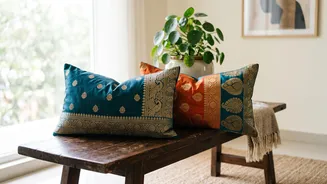
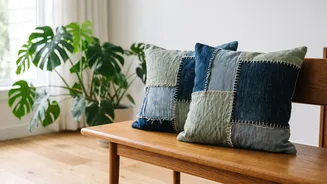
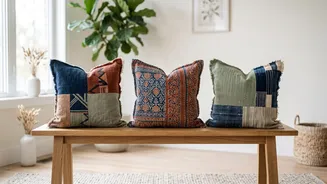
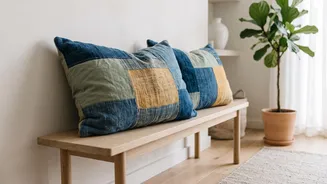
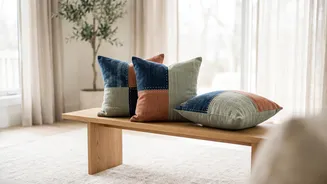
You don't need to be an expert tailor to start. One of the easiest and most impactful projects is creating new cushion covers. Simply cut squares from an old saree or bedsheet and sew them into covers to instantly add a splash of colour to a sofa or armchair. Another great idea is to create a table runner, which requires minimal sewing and can highlight a beautiful fabric border. For a no-sew option, you can wrap fabric around a plain lampshade or a cork notice board, securing it with glue. If you have a small stool or ottoman with a removable seat, reupholstering it is a simple weekend project that involves just a staple gun. These small changes can dramatically refresh your living space, making it feel more curated and vibrant.