








The Scale of the Challenge
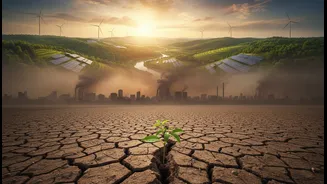
The latest environmental reports paint a stark picture for India. The year 2025 was marked by extreme weather events—including heatwaves, floods, and cold waves—on a staggering 99% of its days, leading to over 4,400 deaths and affecting millions of hectares
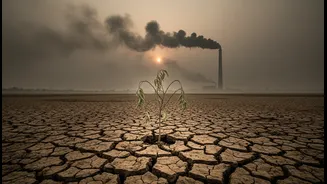
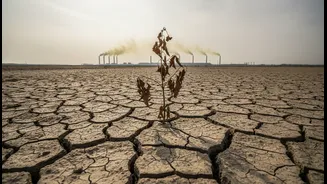
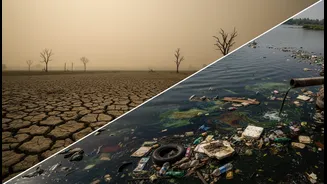
of cropland. Climate change is no longer a future threat but a present reality, with scientists warning that events like the deadly 2026 heatwave have been made significantly more likely by global warming. This 'dual threat' of extreme humid heat during monsoon and intense dry heat in summer is becoming a punishing new norm. The crisis extends to our most essential resources. Air pollution remains severe, with 100% of the population exposed to particulate levels exceeding WHO guidelines. Many cities, including Delhi, recorded zero 'Good' air quality days in 2025. Simultaneously, a water crisis is deepening, with wells drying up, rivers shrinking, and major basins falling below the international water scarcity threshold. This is compounded by habitat loss, which is increasing human-wildlife conflict.
The Unexpected Benefits of Action
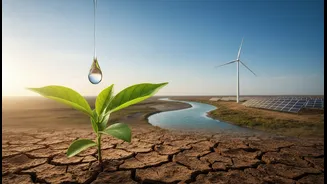
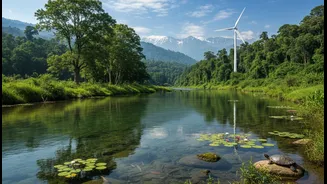
While the risks are daunting, the shift towards environmental action brings significant benefits beyond just averting disaster. India's green transition is emerging as a core driver of industrial competitiveness, energy security, and long-term economic resilience. The rapid expansion of renewable energy is a prime example. India has emerged as the world's third-largest generator of solar power and achieved its target of 50% installed power capacity from non-fossil fuel sources five years ahead of schedule. This shift is not just about clean power; it is creating new economic opportunities. The push for domestic manufacturing of clean energy components like solar panels and batteries, supported by government policies, is building resilient supply chains and creating jobs. Furthermore, decentralised renewable solutions, such as solar pumps for farmers and rooftop solar for homes, reduce dependence on volatile fossil fuel prices, lower costs for individuals, and improve energy access in remote areas. Investing in water infrastructure, from rainwater harvesting to wastewater treatment, also presents an economic opportunity, creating scalable business models while addressing scarcity.
Practical Next Steps: Policy and Industry
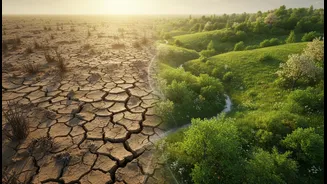
Addressing India's environmental challenges requires a concerted effort at the policy and industrial levels. The government has already set ambitious goals, such as the revised target to reduce particulate pollution by 40% by 2026 and achieve 500 GW of non-fossil fuel capacity by 2030. The focus is now shifting from policy to stricter enforcement. New regulations for 2026 hold plastic producers accountable for the entire lifecycle of their products through Extended Producer Responsibility (EPR), mandating collection and the use of recycled materials. For industries, there is a push towards cleaner technologies, with stricter emission standards for vehicles and factories. A crucial piece of the puzzle is energy storage. As renewable generation grows, ensuring power is available 24/7 requires massive investment in Battery Energy Storage Systems (BESS), which are now being treated as core infrastructure. Nature-based solutions are also being emphasized, including wetland restoration, rainwater harvesting, and reconnecting rivers with floodplains to build climate resilience.
Practical Next Steps: Communities and Individuals
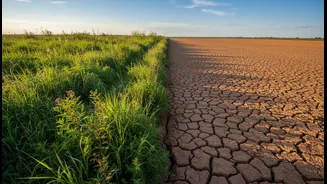
The path to a sustainable future is not built by governments and corporations alone; it requires active participation from every citizen. There are numerous practical steps that individuals and communities can take. At home, conscious consumption is key. Simple habits like segregating waste into wet, dry, and hazardous streams can dramatically reduce the load on landfills. Composting kitchen waste, reusing containers, and reducing single-use plastics are equally impactful. Water conservation is another critical area. Repairing leaky taps, choosing water-efficient fixtures, and reusing greywater for gardening can make a significant difference. Community-led initiatives have immense power. Historically, local communities managed water resources through systems like Kudimaramathu in Tamil Nadu. Reviving this spirit of collective stewardship through local afforestation drives, lake clean-ups, and the establishment of community-managed rainwater harvesting systems can restore local ecosystems and build resilience from the ground up.