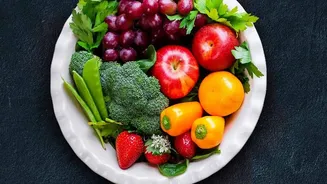



Eating with the seasons is one of the best ways to boost flavour and nutrition while often saving money. But how do you easily fit fresh, seasonal produce into busy family life? Here are simple, practical ways to make it a daily habit.
Embrace One-Pot Meals like Khichdi and Pulao
One-pot meals are
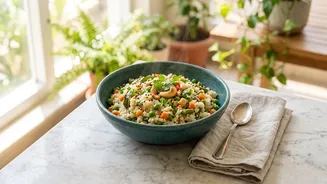
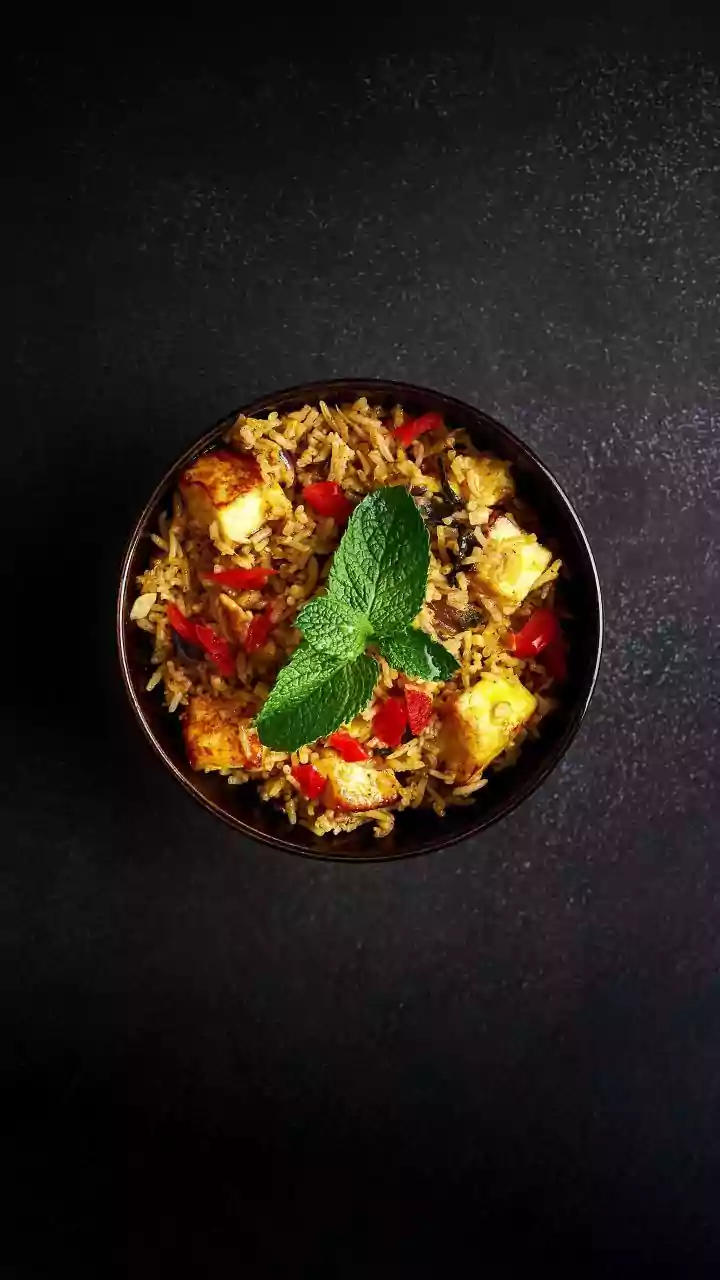
a busy parent's best friend, and they are perfect for showcasing seasonal vegetables. A simple vegetable pulao or khichdi can be adapted to whatever you find at the market. In winter, this could mean adding sweet carrots, fresh green peas, and small cauliflower florets. Finely chopped leafy greens like spinach or fenugreek (methi) can also be stirred in towards the end of cooking. These dishes are mild, comforting, and a fantastic way for children to eat a balanced meal with rice, lentils, and vegetables all cooked together. For a quick lunch, you can even use leftover rice to make vegetable fried rice.
Blend Vegetables into Curries, Soups, and Sauces
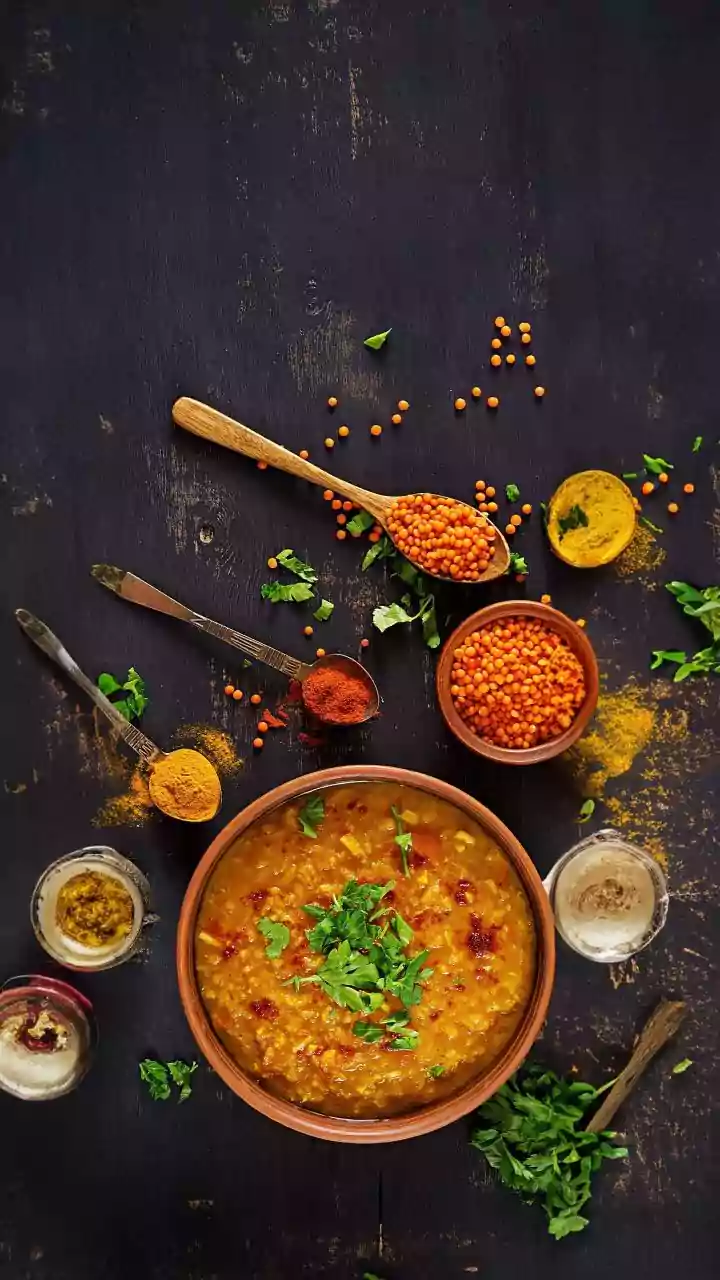
Pureed vegetables are a secret weapon for adding nutrients to family favourites. A simple tomato sauce for pasta can be enriched by blending in boiled carrots, pumpkin, or a few spinach leaves. The vegetables add a natural sweetness and creamy texture that kids often love. Similarly, when making dal, you can add finely chopped spinach to create Dal Palak, a nutritious and classic dish. For gravies and curries, a base of pureed onion, tomato, and a seasonal vegetable like bottle gourd (lauki) or zucchini creates a thick, flavourful sauce that coats paneer or chicken beautifully, with the vegetable taste blending seamlessly into the background.
Reinvent Your Rotis and Parathas
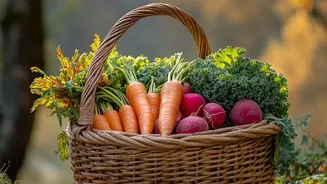
Parathas are a staple in many Indian homes, and they offer a brilliant canvas for vegetables. Instead of a separate side dish, try grating vegetables directly into the dough. Finely grated beetroot gives the dough a vibrant pink colour that can be very appealing to children, while its earthy flavour mellows significantly once cooked. Grated carrot, bottle gourd, or zucchini also work wonderfully, adding moisture and nutrients. You can also make classic stuffed parathas with fillings like spiced mashed potatoes with peas (aloo matar) or crumbled paneer mixed with finely chopped methi leaves.
Make Colourful Stir-Fries and Sabzis
A quick vegetable stir-fry, or sabzi, is one of the fastest ways to get a healthy side dish on the table. The key is to use what's fresh and in season. During the winter months, a simple stir-fry of potatoes and fresh fenugreek leaves (aloo methi) is a classic. You can also toss together diced potatoes and peas (aloo matar) or a mix of carrots, beans, and cauliflower with mild spices. Keeping the spices simple — like cumin, turmeric, and a little coriander powder — makes these dishes accessible for the whole family. They pair perfectly with both roti and rice.
Snack Smart with Seasonal Fruits
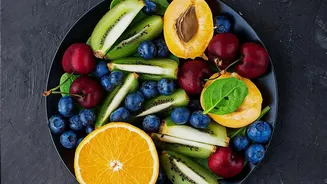
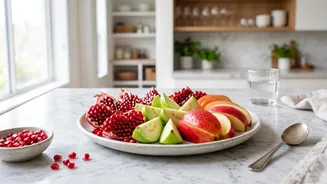
Don't forget that fruits have seasons, too. Encouraging your family to snack on seasonal fruits is an easy win for nutrition. Winter in India brings an abundance of juicy oranges and mandarins, which are packed with immunity-boosting vitamin C. Guavas and pomegranates are also at their best during the cooler autumn and winter months. Instead of processed snacks, a simple bowl of sliced fruit, a fresh juice, or a fruit chaat can be a refreshing and healthy after school option. For a fun treat, you can blend seasonal berries or guava into a smoothie with yogurt.
Create Dips, Chutneys, and Raitas
Dips and chutneys are an excellent way to introduce new flavours and 'hide' healthy ingredients. A simple raita made with yogurt can be enhanced with grated cucumber or finely chopped tomatoes and onions. For a more adventurous dip, blend roasted beetroot or cooked spinach into hummus. Green chutneys made with coriander and mint are a classic accompaniment and can be bulked up with spinach. These dips are perfect with rotis, parathas, or as a healthy side with snacks like vegetable cutlets or tikkis.