




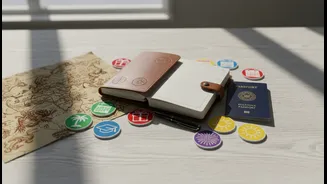


The Rise of the 'Skillcation'
A growing movement in travel is shifting focus from passive sightseeing to active participation. Dubbed the “skillcation,” this trend sees travellers dedicating their trips to learning something new, like a language, a craft, or a sport. Instead of a whirlwind
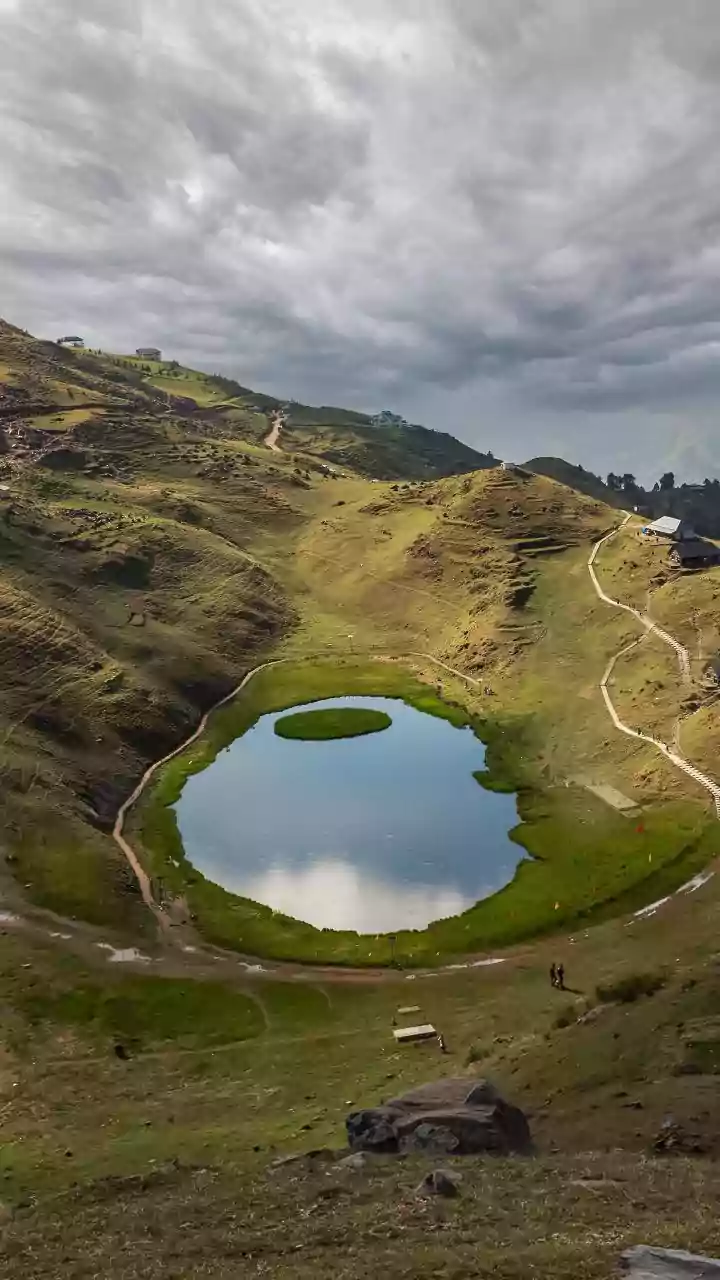
tour of five cities in ten days, this approach involves settling into one place for weeks, or even months, to immerse oneself in a single pursuit. The goal is no longer to just see a place, but to engage with it, contribute to it, and return home with more than just photos. This style of travel, often called “slow travel,” is a direct response to the burnout and superficiality of mass tourism.
Why Slower is Better
The benefits of slowing down are immense. For one, it significantly reduces travel stress. Constant packing, airport dashes, and tight schedules are replaced by a more relaxed, flexible rhythm that allows for genuine rest. Staying in one place longer also opens the door to deeper cultural immersion. You start to feel less like a tourist and more like a local, discovering neighbourhood cafes, understanding local customs, and forming real connections with people. This approach allows travellers to get beyond the polished tourist attractions and experience the authentic, everyday life of a destination. It is a more sustainable way to travel, both for the individual's well-being and for the local community and environment.
Finding Your Skill and Destination
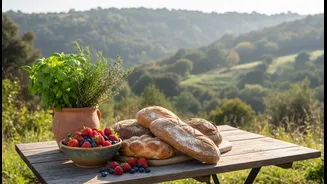
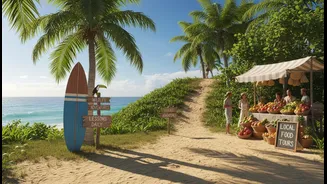
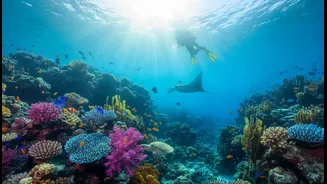
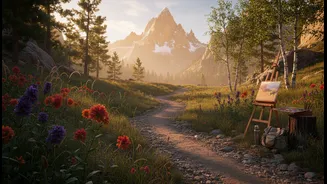
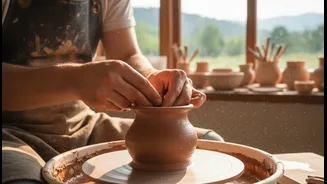
The possibilities for a skill-based trip are nearly endless and can be tailored to any interest. Culinary enthusiasts can learn to make pasta in a small Italian village, while aspiring artists can take pottery workshops in Japan. Adventure seekers might opt for a surfing retreat in Costa Rica or a scuba diving certification in Thailand. Language immersion courses are a classic example, allowing travellers to practice their skills in daily life. The key is to choose an activity that genuinely excites you and a destination that is known for it. Many organisations now specialise in these learning holidays, offering everything from week-long workshops to intensive month-long courses.
Planning Your Immersive Journey
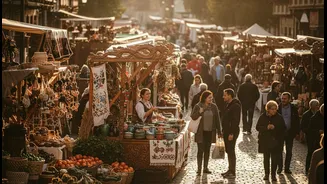
A skill-focused trip requires a different planning mindset. The primary decision is not the route, but the base. Once you have chosen your skill and location, the logistics fall into place around it. Longer stays can often be more budget-friendly, as many accommodations offer significant discounts for weekly or monthly rentals. This also reduces transportation costs, which are often a major part of a fast-paced travel budget. The focus is on quality over quantity. Instead of a long checklist of sights, your itinerary might simply be your daily class, followed by an afternoon exploring the local market or practising your new skill. The learning happens not just in the classroom, but in every interaction.