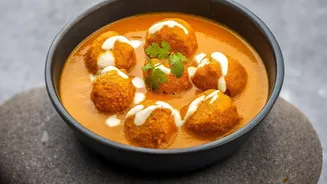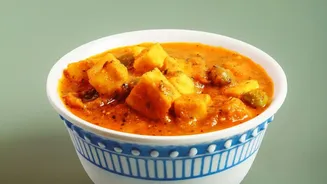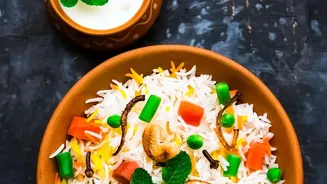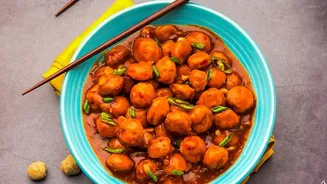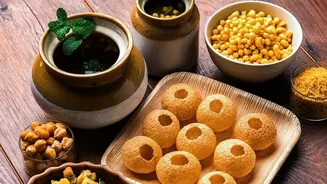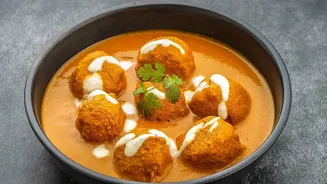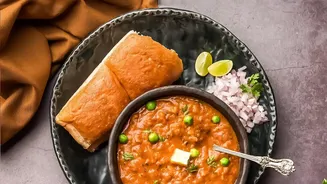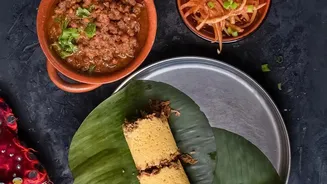





A Taste of Tradition Reimagined
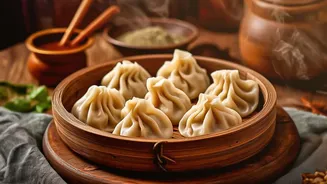
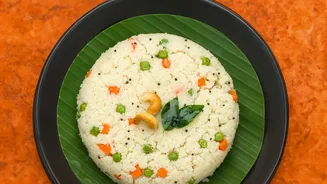
For generations, pithas and fritters have been mainstays of Indian home cooking, far from the spotlight of mainstream restaurant culture. Pithas, particularly beloved in Eastern India in states like Assam and West Bengal, are a diverse category of steamed
or fried cakes made from rice flour. They can be sweet, filled with coconut and jaggery, or savoury, and are deeply woven into festivals like Bihu. Fritters, known by countless names—pakoras, bhajis, vadas—are the quintessential tea-time and monsoon snack, where vegetables or lentils are dipped in a spiced gram flour batter and deep-fried to golden perfection. For decades, these were foods of comfort and family, their recipes passed down orally, not through slick cookbooks or cooking shows.
From Home Kitchens to Viral Fame
Their recent explosion onto the social media scene is a fascinating study in contrasts. The comeback isn't happening in five-star hotels but on Instagram Reels, YouTube Shorts, and TikTok videos. Content creators are showcasing these rustic snacks with a modern aesthetic. Imagine a close-up shot capturing the steam gently rising from a freshly made pitha, or an ASMR video highlighting the satisfying crunch of a pakora. Food bloggers and home chefs are filming their mothers and grandmothers, turning family recipes into engaging, step-by-step tutorials that demystify the process for a new generation of cooks. Hashtags like #pitha, #pakora, and #indianstreetfood are flooded with visually stunning content that makes these everyday foods look like artisanal treasures.
A Craving for Authenticity
So, why now? The trend is deeply rooted in a growing desire for authenticity. In a world of globalised food chains and homogenised flavours, there is a powerful pull towards food that tells a story. These dishes offer a direct link to a specific region, a particular community, and a unique culinary heritage. Younger Indians, many of whom grew up on a diet of convenience foods, are now actively seeking to connect with their roots. Cooking or even just watching a traditional recipe being prepared becomes an act of cultural preservation and personal identity. It's a rejection of the generic and an embrace of the specific, the local, and the meaningful.
Nostalgia on a Plate
Beyond authenticity, the single most powerful driver of this trend is nostalgia. The taste of a perfectly spiced fritter can transport someone back to a rainy evening with their family, just as a bite of a sweet pitha can evoke memories of festive celebrations. In an increasingly digital and disconnected world, these foods offer a tangible sense of comfort and belonging. Social media has become a vehicle for sharing this collective nostalgia. A post about a simple, home-cooked meal can generate a flood of comments from people sharing their own memories, creating a virtual community bound by shared culinary experiences. This emotional connection is something a trendy new dish can rarely replicate.
The Rise of the Regional Food Creator
This comeback would not be possible without the legion of digital food creators who have become its champions. These influencers act as translators, bridging the gap between traditional knowledge and a modern audience. They use contemporary tools like air fryers to offer healthier versions of fried classics or present recipes with precise measurements that were once taught only by estimation. By sharing the stories behind the food—of their families, their regions, and their memories—they give context and soul to their content. They have successfully turned regional, home-style cooking into an aspirational and exciting genre, proving that the most compelling food stories are often the ones that have been waiting in our own kitchens all along.