




The Launchpad for Private Ambition
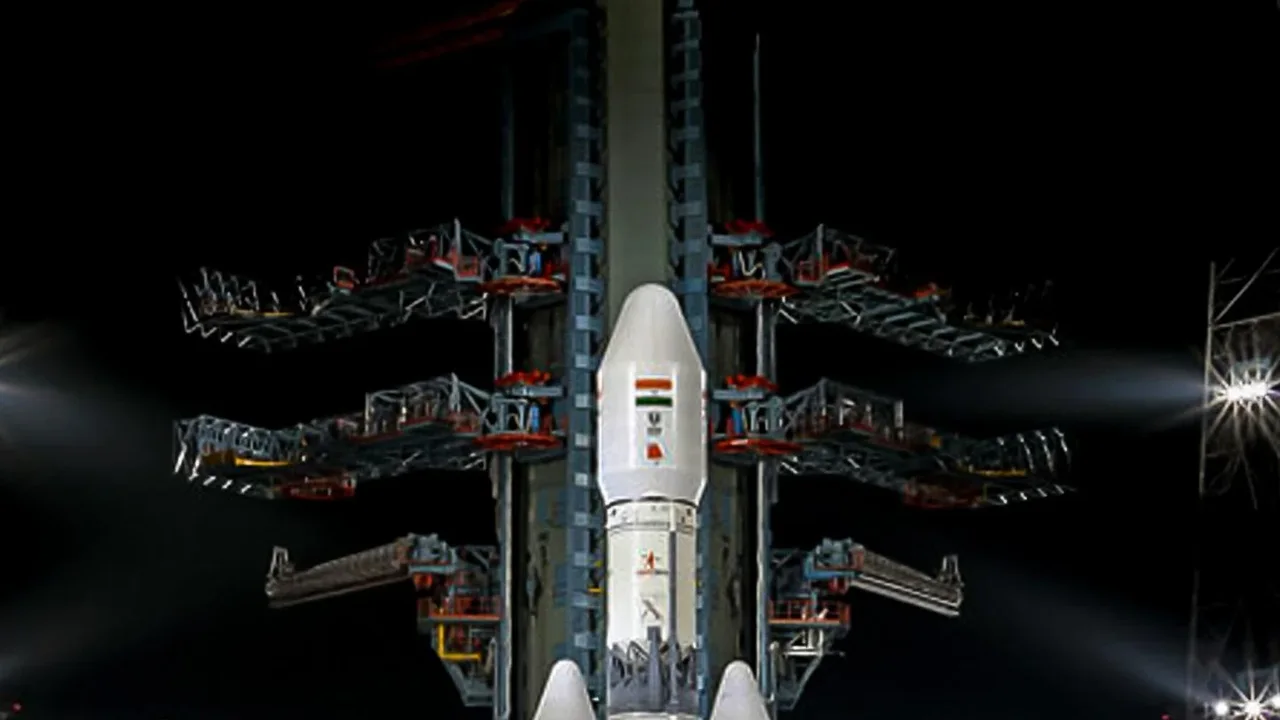
For decades, a career in India’s space sector meant one thing: a coveted job at the Indian Space Research Organisation (ISRO). But the landscape has changed dramatically. The government's decision to open the space sector to private participation in 2020,
and the establishment of the Indian National Space Promotion and Authorisation Centre (IN-SPACe), has acted as a launchpad for a thriving startup ecosystem. This single-window agency is designed to facilitate private companies' use of ISRO's world-class infrastructure, effectively turning a government-led monopoly into a collaborative playground. The goal is to grow India's share of the global space economy from around 2% to a projected 8-10% in the next decade, with the industry's value expected to surge from about $8.4 billion to over $40 billion by 2030. This rapid expansion is fuelling unprecedented demand for skilled professionals.
Beyond the Rocket Scientist
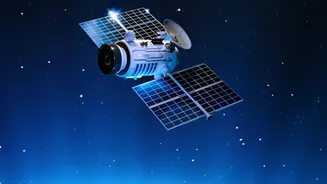
The popular image of a space career often involves an aerospace engineer designing a rocket. While those roles remain critical, the new space revolution is creating demand for a much wider array of expertise. The industry is now broadly divided into three areas: upstream (building rockets and satellites), midstream (ground stations and data management), and downstream (using satellite data for applications on Earth). This has opened doors for professionals who might never have considered a career in space. For instance, companies like Pixxel, which is building a constellation of hyperspectral imaging satellites, need data scientists and AI specialists to analyse the terabytes of data they collect. Similarly, startups like SatSure use satellite imagery for decision intelligence in agriculture and finance, creating jobs for GIS analysts and domain experts. This diversification means the new space workforce includes software developers, robotics engineers, cybersecurity experts, and even business managers.
The New Constellation of Startups
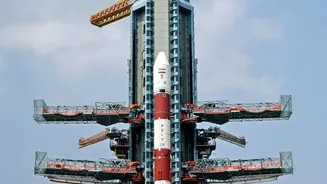
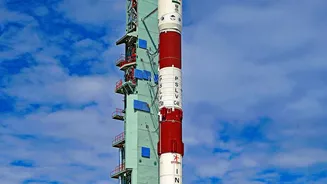
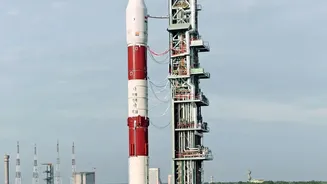
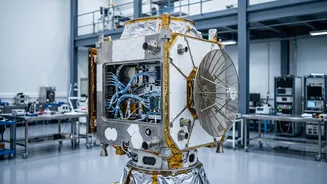
The number of Indian space startups has skyrocketed from just a handful before 2020 to over 400 in 2026. These companies are the new engine of hiring, and they are tackling every part of the space value chain. In the launch vehicle segment, companies like Skyroot Aerospace and Agnikul Cosmos are making headlines. Skyroot made history with India's first privately developed rocket launch, the Vikram-S, while Agnikul is pioneering 3D-printed rocket engines. In the satellite sector, Dhruva Space offers end-to-end satellite solutions, from manufacturing to launch services. Then there are companies like Digantara, which is focused on space situational awareness—essentially, managing traffic in orbit to prevent collisions. These startups, often clustered in hubs like Bengaluru and Hyderabad, are attracting significant venture capital, with the government also creating a dedicated fund to support them.
The Skills to Reach for the Stars
So, what does it take to land one of these new-age space jobs? A strong foundation in engineering (aerospace, mechanical, electronics, or computer science) remains the most common pathway. However, the specific skills in demand are evolving. Proficiency in programming languages like Python, C++, and software like MATLAB and ANSYS is now highly sought after, even for hardware-focused roles. Data literacy—the ability to work with large datasets from satellite telemetry and remote sensing—is another crucial skill. Beyond technical expertise, companies are looking for systems thinking: the ability to understand how complex subsystems in a spacecraft or ground station interact. And it’s not just for engineers. As the sector commercialises, there is a growing need for professionals in space law, finance, policy, and international business development.