





Before You Leave: Vehicle Health Check
An unprepared vehicle is the primary cause of monsoon breakdowns. Before the season gains momentum, ensure your car or two-wheeler is ready. Check your tyres for adequate tread depth; worn tyres dramatically increase the risk of skidding on wet roads.
A tread depth of at least 3mm is recommended for monsoon safety. Inspect your brakes, as moisture can reduce their effectiveness. Ensure all lights—headlights, tail lights, and indicators—are working. In heavy rain, visibility drops, and it’s crucial for others to see you. Finally, replace worn-out wiper blades. Stiff or cracked blades will only smear water across the windshield, making a bad situation worse.
Plan Your Route and Stay Informed
During heavy downpours, your usual route might be impassable. Authorities often issue advisories for commuters to avoid certain areas known for severe waterlogging, like the Minto Road underpass, Zakhira underpass, and stretches of the Mehrauli-Badarpur road. Before heading out, check real-time traffic updates on mapping applications and follow the social media handles of the Delhi and Gurugram Traffic Police for the latest information on congestion and diversions. On days with 'orange' or 'red' alerts, authorities may advise companies to allow work-from-home to reduce traffic. If your journey is not essential, it’s safest to stay put.
Smart Driving on Wet Roads
Driving behaviour needs to change significantly in the rain. Reduce your speed and double the distance from the vehicle ahead of you to allow for longer braking distances. Avoid sudden braking or acceleration, which can cause your vehicle to lose traction. Keep your headlights on, even during the day, to improve your visibility to other drivers. One of the biggest dangers is hydroplaning, where your tyres lose contact with the road surface. If you feel the vehicle starting to hydroplane, ease off the accelerator and steer straight until you regain control; do not slam on the brakes.
The Peril of Waterlogged Stretches
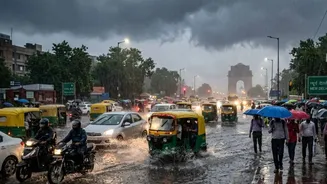
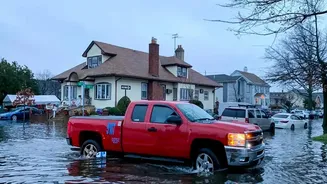
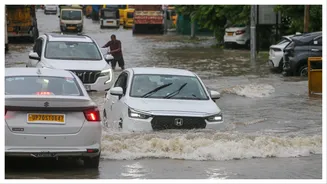
Waterlogged roads are an annual problem across Delhi-NCR, causing vehicle damage and posing serious safety risks. If you cannot see the road surface or gauge the depth of the water, do not attempt to drive through it. Stalled vehicles are a common sight, and hidden potholes or open manholes can cause severe damage or accidents. If driving through a shallow puddle is unavoidable, do so slowly and in a low gear. Afterwards, gently tap your brakes a few times to help dry them out and ensure they are working effectively. For two-wheeler riders, the risk is even greater, with the danger of electrocution from submerged electrical fittings being a tragic reality in the city.
Your Personal and Vehicle Emergency Kit
Being prepared for a breakdown is crucial. Keep a monsoon emergency kit in your vehicle. This should include a powerful torch, a first-aid kit, a tow strap, and jumper cables. Also pack an umbrella, a raincoat, and a few microfibre cloths to wipe down fogged-up interiors. A fully charged power bank for your phone is a non-negotiable item. Store your vehicle documents in a waterproof bag. It’s also wise to have the numbers for roadside assistance and your insurance provider saved on your phone. For your personal safety, especially if you use public transport, wear footwear with good grip and carry an insect repellent.