


Immediate Action: First Aid for Soaked Shoes
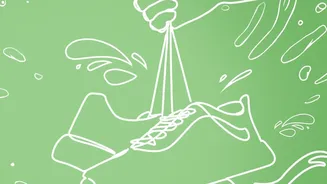
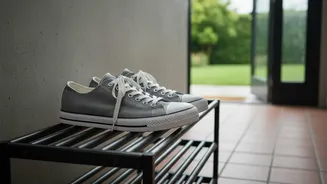
The moment you step indoors, the clock starts ticking. Don't leave your wet shoes in a corner to fester; acting quickly can prevent long-term damage. First, knock off any clumps of mud and wipe the shoes down with a cloth to get rid of excess water and grime.
Next, remove the laces and insoles and dry them separately. This simple step opens up the shoe, allowing air to circulate more freely and speeding up the drying process for the interior. If your shoes are particularly muddy, a more thorough cleaning might be necessary, but the initial wipe-down is crucial. Delaying this allows moisture and dirt to set into the material, which can lead to staining, weakening of adhesives, and the growth of odour-causing bacteria.
The Right Way to Dry: Dos and Don'ts
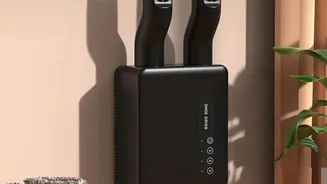
When it comes to drying, patience is key. The biggest mistake you can make is exposing wet shoes to direct, intense heat. Never place them near a heater, in direct sunlight, or use a hairdryer on a high setting. This kind of heat can cause leather to crack and become brittle, fabrics to shrink, and the glue holding the shoe together to melt or deform. Instead, opt for gentle, indirect drying methods. The classic trick is to stuff them with crumpled newspaper, which is highly absorbent. Ball up the paper and pack it loosely inside, changing it every few hours as it becomes saturated. Another excellent method is to place the shoes in front of a fan. The constant airflow is highly effective at evaporating moisture without causing heat damage. For an added boost, especially in humid climates, placing them in a small room with a dehumidifier can also work wonders.
Banish the Dreaded Damp Odour
Wet shoes create a perfect breeding ground for bacteria and fungi, which are the culprits behind that unpleasant musty smell. Once your shoes are mostly dry, it's time to tackle the odour. Baking soda is a fantastic natural deodoriser that absorbs both lingering moisture and bad smells. Sprinkle a generous amount directly inside each shoe and let it sit overnight. In the morning, simply tip out the powder and vacuum any residue. For a more contained solution, you can create sachets by filling old socks with baking soda and placing them inside. Another effective home remedy is white vinegar; a light spritz of a solution made from equal parts water and vinegar can help neutralize bacteria. Used, dry tea bags can also be placed inside shoes to absorb odours, as the tannins in tea help kill bacteria.
Material-Specific Care Considerations
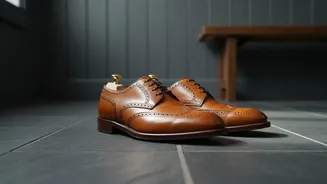
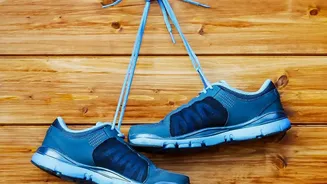
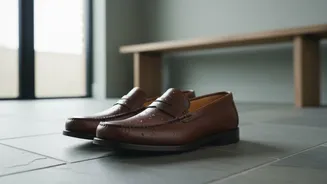
Different shoe materials react to water in different ways. Leather, for instance, is particularly vulnerable. After air-drying naturally, it's essential to apply a leather conditioner or cream to restore its moisture and prevent it from becoming dry and cracked. Suede is even more delicate and should be protected with a specialised spray before the monsoon season begins. If suede gets wet, allow it to dry completely and then use a suede brush to restore its texture. For canvas or fabric sneakers, the newspaper and fan methods work very well. Just be cautious with coloured newspaper, as the ink could potentially transfer to light-coloured interiors.
Prevention Is Better Than a Soggy Cure
The best way to keep your shoes usable is to protect them before you even step out. Applying a quality waterproofing spray can create an invisible barrier that repels water and prevents stains on materials like leather, suede, and canvas. It's also wise to rotate your footwear. Avoid wearing the same pair of shoes every day, as this gives each pair ample time to dry out completely, which prevents moisture buildup and material degradation. If possible, invest in a pair of monsoon-specific shoes made from rubber or PVC for your daily commute, saving your more delicate pairs for dry days. Proper storage is also important; keep your shoes in a cool, dry, and well-ventilated area, away from damp walls, to prevent mould and mildew growth during the humid season.