



A Ritual for the Senses
There are few street foods as evocative as the monsoon bhutta. The experience is a symphony for the senses that begins long before the first bite. It starts with the sight of a vendor skillfully turning cobs over a bed of glowing coals, the kernels popping
and charring in the heat. Then comes the smoky aroma that mingles with petrichor, the earthy scent of rain on dry soil. The sound of the sizzling corn, combined with the downpour, creates a uniquely comforting soundtrack. Finally, the taste—a perfect balance of sweet, smoky, tangy, and spicy, achieved by rubbing the hot cob with a mixture of salt, chilli powder, and fresh lime juice—completes this deeply satisfying ritual. It's a simple pleasure that feels tailor-made for a cool, damp evening.
The Comfort of Warmth
Monsoon brings a welcome drop in temperature, but with it comes a natural craving for warm, comforting foods. A freshly roasted bhutta, served piping hot straight from the fire, provides an immediate sense of warmth and coziness. Holding the hot cob while huddled under an umbrella is an experience many Indians cherish, offering a simple and effective antidote to the damp chill of a rainy day. This comforting warmth is one of the primary reasons why corn-based dishes, from roasted cobs to hot soups, become so popular during this season. It’s more than just a snack; it's a feeling of comfort and nostalgia wrapped in a corn husk.
A Seasonal and Nutritional Powerhouse
The connection between corn and monsoon is also rooted in the agricultural cycle. Corn is a seasonal crop that is freshly harvested during the rainy months, ensuring that the cobs available on the street are at their freshest, sweetest, and most nutritious. Beyond its delicious taste, corn is packed with health benefits. It is an excellent source of dietary fibre, which aids digestion and promotes a feeling of fullness. It is also rich in essential nutrients, including B-complex vitamins, vitamin A, and vitamin C, which help boost the immune system and protect against seasonal illnesses common during the monsoon. Furthermore, corn contains antioxidants like lutein and zeaxanthin, which are beneficial for eye health.
An Affordable and Unifying Snack
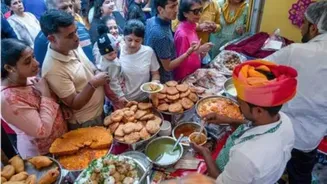
From the bustling streets of Mumbai to the quiet lanes of hill stations, the bhutta is a great unifier. It is one of India's most affordable and accessible street foods, enjoyed by people from all walks of life. The ritual of buying and eating a bhutta often becomes a shared social experience, bringing together friends and families. For many, it evokes fond memories of childhood, school holidays, or long drives in the rain. Although maize was introduced to India centuries ago, the masala bhutta—roasted over coals and seasoned with local spices—is a distinctly Indian innovation. This transformation of a global grain into a beloved local delicacy speaks to its deep cultural assimilation.
More Than Just Roasted
While the classic charcoal-roasted bhutta is the star of the season, corn’s versatility shines in Indian kitchens throughout the monsoon. The sweet, tender kernels find their way into a wide array of dishes. Some boil the corn and enjoy it simply with butter and salt, while others use the kernels to make crispy pakoras (fritters), hearty soups, savoury chaats, or even chillas (savoury pancakes). Whether it's roasted, boiled, or blended into a curry, corn provides endless opportunities for culinary creativity, making it an indispensable ingredient during the rainy season.