


Zermatt: The Perfect Storm of Popularity and Price
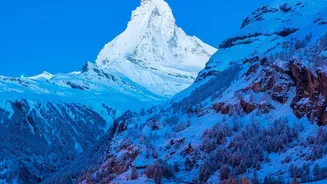
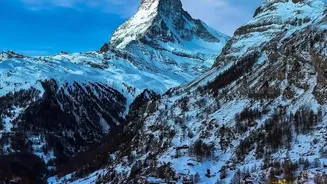
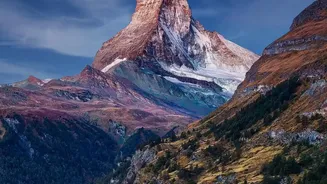
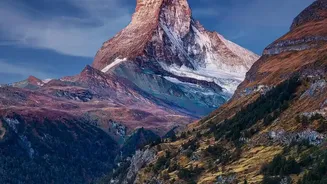
Before we list the hotspots, let's focus on Zermatt, which has one of the highest tourism intensities in the country. The village sits beneath the iconic Matterhorn, a mountain so famous it's practically a global brand. This instantly makes it a bucket-list
destination. Zermatt is also car-free, a charming feature that preserves its alpine village feel but also creates a logistical bottleneck. You must travel there by train, often taking a shuttle from the nearby town of Täsch, which adds a layer of cost and complexity from the moment you arrive. The local economy is almost entirely built on tourism, with a huge portion of jobs in hotels and restaurants. This intense focus, combined with a limited supply of land for building, has created an extreme housing shortage and driven real estate prices to among the highest in Europe. This directly translates to expensive hotel rooms and holiday apartments for visitors. A reputation for luxury, with many five-star resorts, further solidifies its premium pricing.
1. The Jungfrau Region (Grindelwald & Lauterbrunnen)
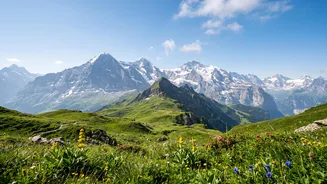
The neighbouring villages of Grindelwald and Lauterbrunnen are prime examples of 'Instagram-fuelled' overtourism. Lauterbrunnen, with its valley of 72 waterfalls, and Grindelwald, a gateway to mountain adventures and the 'Top of Europe' at Jungfraujoch, are magnets for crowds. Their popularity puts immense pressure on local infrastructure, from public transport to accommodation. Along with Zermatt, these two towns have some of the highest ratios of tourists to local residents in all of Switzerland. This constant high demand allows hotels and rental owners to maintain peak pricing for much of the year. The popularity of these specific, highly photographed spots creates a ripple effect, reinforcing the idea that a Swiss holiday in a top-tier location is an expensive endeavour by default.
2. Lucerne
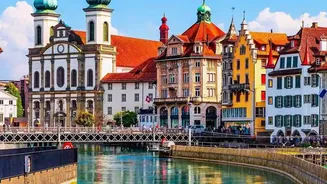
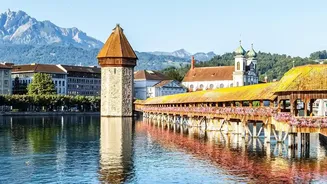
As a picturesque city on a lake surrounded by mountains, Lucerne offers a blend of urban culture and natural beauty that few places can match. Its historic Chapel Bridge is one of the most photographed landmarks in the country. However, the city's popularity has led to significant crowding, with reports in 2024 suggesting the ratio of tourists to residents had surpassed even Venice. This has prompted local discussions about managing the influx of visitors, including imposing higher tourist taxes and considering limits on new hotel construction. When a city becomes this popular, hotel beds become a scarce commodity, especially in the charming and centrally located Old Town. This scarcity naturally drives up nightly rates, contributing to Switzerland's overall reputation for being a pricey destination.
3. Interlaken
Positioned strategically between two stunning lakes, Brienz and Thun, Interlaken is marketed as the adventure capital of Switzerland. It serves as the primary transport hub for the entire Jungfrau region, meaning almost everyone heading to Grindelwald or Lauterbrunnen passes through it. This constant flow of people makes it perpetually busy. While it offers a wider range of accommodation than the smaller mountain villages, including more hostels, its status as a gateway destination keeps demand high. The concentration of tourists in hubs like Interlaken strains resources and normalises higher costs for everything from train tickets to a casual meal, a trend that finds its ultimate expression in ultra-desirable resorts like Zermatt.
4. Zurich
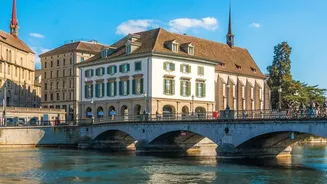
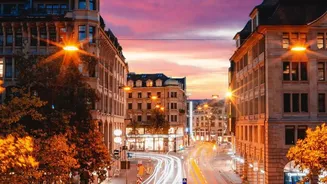
As Switzerland's largest city and a major international travel hub, Zurich's high costs are driven by slightly different factors. It is a global centre for banking and finance, which means it has a high baseline cost of living and a large number of business travellers who can absorb expensive hotel rates. For tourists, this means competing with corporate budgets for accommodation. While the city offers world-class museums, a beautiful old town, and a vibrant lakeside setting, the prices reflect its economic status. This 'big city premium' sets a high price anchor in the minds of travellers. When they then look at a premier leisure destination like Zermatt, the already high prices there can seem less like an outlier and more like a continuation of a national trend.
5. St. Moritz
Along with Zermatt, St. Moritz is the other titan of Swiss luxury tourism. It has a long history as a winter playground for the rich and famous, hosting the Winter Olympics twice. This legacy has cemented its status as one of the most exclusive and expensive resorts in the world. Like Zermatt, the demand for holiday homes is immense, pushing property values to staggering heights. A 2026 report from UBS noted that St. Moritz, Zermatt, and a few other Swiss resorts are the most expensive holiday property markets in the entire Alpine region. This focus on the high-end market means fewer mid-range or budget options are available. The economic model of St. Moritz shows that when a destination commits to a luxury identity, high accommodation costs are not a side effect; they are part of the business strategy.