




The Soothing Charm of Sol Kadhi
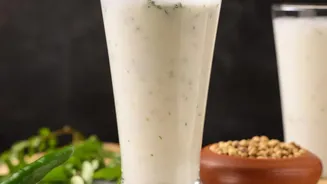
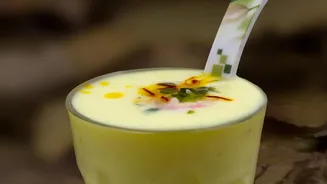
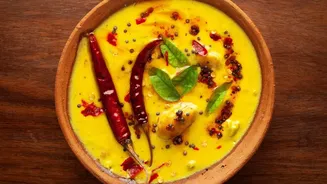
For generations, households in Maharashtra, Goa, and Karnataka have relied on Sol Kadhi as a natural digestive aid. This traditional drink is made from kokum, a sour fruit native to the Western Ghats, and creamy coconut milk. Traditionally consumed after
meals, its purpose was to cool the digestive system, especially after spicy seafood dishes. The kokum imparts a gentle tang and is packed with antioxidants, while the coconut milk balances it with a smooth, soothing texture. Historically, it was simply part of a balanced meal, a piece of culinary wisdom passed down through generations. Today, it’s being rediscovered not just for its refreshing taste but for its profound health benefits that modern science is beginning to validate.
Fermentation: Your Gut's Best Friend
The magic behind many of these traditional drinks lies in fermentation. This natural process involves microorganisms like bacteria and yeast breaking down sugars, creating beneficial compounds in the process. The most well-known of these are probiotics—live, good bacteria that help balance your gut microbiome. A healthy and diverse gut microbiome is crucial for more than just digestion; it impacts your immune system, inflammation levels, and even your mood. Fermented foods help increase the diversity of these helpful microbes, strengthen the gut barrier to prevent toxins from entering the bloodstream, and can even produce essential nutrients like B vitamins.
From Tradition to Wellness Trend
So, why is this shift happening now? The global wellness movement has put a major spotlight on gut health, leading many to seek natural, food-based solutions over supplements. There is a growing appreciation for ancient wisdom and traditional food systems, which are often inherently sustainable and locally sourced. People are turning away from sugary, processed drinks and looking for healthier alternatives that offer functional benefits. As nutritionists and wellness influencers highlight the probiotic power of these homegrown brews, what was once a regional staple is now appearing on hip restaurant menus and in health-conscious kitchens across the country.
Beyond Sol Kadhi: A Tour of India's Fermented Brews
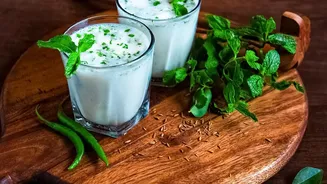
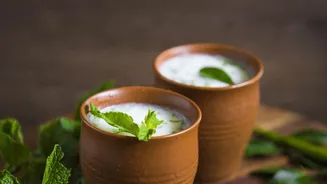
Sol Kadhi is just one example of India's rich heritage of fermented beverages. In North India, Kanji is a popular winter drink made by fermenting black carrots or beetroot with mustard seeds. This tangy, purple-hued drink is a powerhouse of probiotics and antioxidants that aid digestion and detoxify the body. Buttermilk, or Chaas, is a staple across the country, a cooling probiotic drink often spiced with cumin and ginger that soothes the stomach after meals. Lassi, its sweeter and thicker cousin from Punjab, is another yogurt-based drink teeming with beneficial bacteria. In the East, you'll find drinks like Panta Bhat, a fermented rice gruel that cools the body and is easy on the stomach. Each of these drinks uses local ingredients and time-tested methods to create a beverage that supports digestive wellness.
How to Embrace the Brew
Incorporating these drinks into a modern lifestyle is easier than ever. While Sol Kadhi and Kanji can be made at home with simple ingredients, ready-to-drink versions are also becoming more available. Nutritionists often recommend having a small portion of a fermented food or drink daily to support gut health. Starting with a glass of buttermilk after lunch or a small serving of Kanji as an appetizer can be a great way to introduce these beneficial microbes into your diet. It’s not about chasing a fleeting trend but about reconnecting with a more intuitive and natural way of eating that has supported health in India for centuries.