





The Monsoon's Majestic Engine
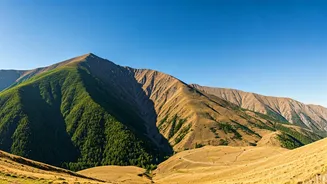
The Western Ghats are more than just a beautiful mountain range; they are a critical component of India's climate system. This 1,600-kilometre-long chain of mountains running parallel to the western coast acts as a massive barrier to the moisture-laden
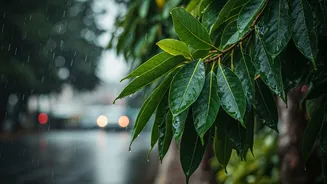
winds blowing from the Arabian Sea. As these winds are forced to rise, they cool, and the moisture condenses into rain, falling heavily on the western-facing slopes. This process, known as orographic precipitation, is the primary driver of the southwest monsoon, which is vital for the entire Indian peninsula. These mountains and their dense forests essentially 'make' the rain, forming the catchment area for river systems that supply water to almost 40% of India. The health of these forests directly influences the intensity and distribution of rainfall across the country.
A Paradise Under Siege
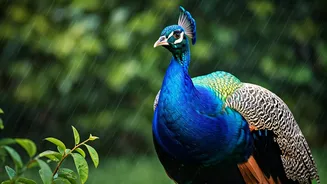
Despite their importance, the Ghats are under severe threat. Once covered in dense forests, huge swathes have been cleared for agriculture, plantations of tea, coffee, and rubber, mining, and urban expansion. Unregulated construction, quarries, and the building of large dams have fragmented this delicate ecosystem, disrupting wildlife corridors for species like elephants and tigers. Studies have documented the alarming scale of this degradation. The term 'ecologically sensitive area' is not just a label; it signifies a fragile system where even small disturbances can have cascading effects. Yet, pressures from population growth and economic activities continue to mount, chipping away at one of the world's eight 'hottest' biodiversity hotspots.
The High Price of Neglect
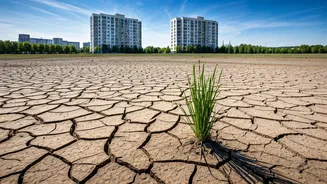
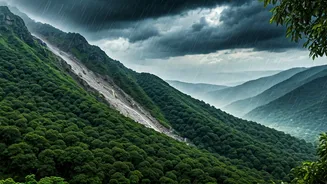
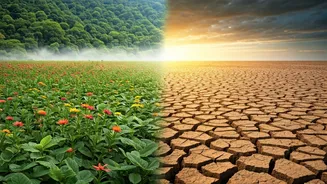
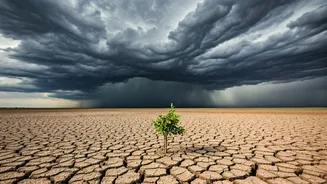
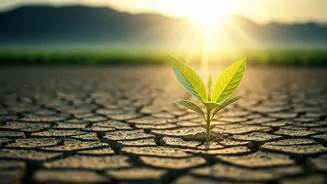
The consequences of this ecological decline are no longer theoretical. Scientists have established a direct link between deforestation in the Western Ghats and altered rainfall patterns. Studies by institutions like IIT Bombay show that the vegetation in the Ghats can contribute 25-40% of the moisture for Tamil Nadu's monsoon, a figure that can rise to 50% during dry years. Removing this forest cover not only reduces rainfall but also makes it more erratic. We are already witnessing an increase in extreme weather events — intense downpours causing floods and landslides, followed by prolonged dry spells. This volatility threatens agriculture, jeopardises drinking water supplies for millions, and leads to a rise in human-wildlife conflict as animals are forced out of their shrinking habitats.
The Path to a Smarter Choice
The choice is not between development and environment, but between short-term gains and long-term survival. The path forward requires a fundamental shift in how we value the Western Ghats. For over a decade, recommendations from panels led by ecologists like Madhav Gadgil and later K. Kasturirangan have been debated. The Gadgil report advocated for strict protection across large parts of the Ghats, giving local communities a central role in conservation. While this was seen as too restrictive by some states, the subsequent Kasturirangan report, which diluted some protections, has also faced criticism for not going far enough. A smart choice involves finding a balance: enforcing existing environmental laws, banning destructive activities like illegal quarrying, promoting sustainable agriculture, and empowering local communities who have the most to lose. It also means investing in ecological restoration to heal the scars of past damage.