

From Daily Roti to Ambitious Naan
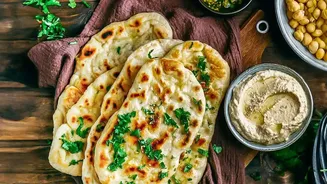
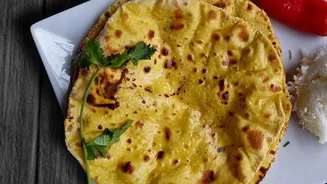
For generations, the rhythm of the Indian kitchen was often defined by the daily making of simple, unleavened flatbreads like roti, chapati, or phulka. These were wholesome, quick, and essential accompaniments to dal and sabzi. Breads like naan and kulcha,
however, were typically considered a treat—a delicacy best made in the roaring heat of a restaurant's tandoor. But that distinction is starting to blur. A growing wave of home cooks are now venturing beyond the familiar, embracing the challenge of recreating these more complex, leavened breads. The goal is no longer just sustenance, but sophistication and the satisfaction of mastering a culinary art form once thought to be the exclusive domain of professional chefs.
What's Fuelling the Floury Revolution?
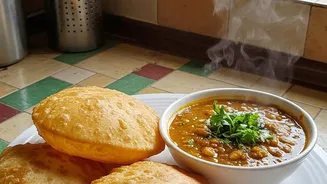
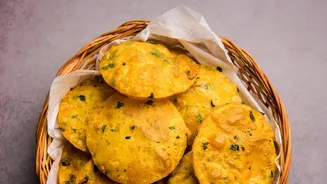
Several factors are kneading this trend into shape. The rise of home cooking, which gained significant momentum in recent years, has left many people with a desire for new kitchen projects. Social media platforms like Instagram and YouTube are filled with step-by-step video tutorials that demystify the process of making everything from fluffy bhature to flaky Malabar parottas. This visual guidance makes complex techniques, like kneading a soft dough or achieving the perfect 'lacha' (layers), feel far more accessible. Furthermore, the availability of online cooking classes and workshops for various Indian breads has exploded, allowing enthusiasts to learn from experts without leaving their homes. This is coupled with better access to key ingredients like specific types of flour, yeast, and baking powders, which are crucial for achieving that authentic, restaurant-quality texture.
Hacking the Tandoor at Home
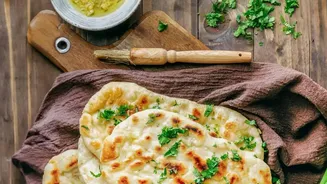
The biggest hurdle for home cooks has always been replicating the intense, smoky heat of a traditional clay tandoor. But culinary ingenuity has found a way. Many popular recipes now teach home cooks how to use everyday kitchen equipment to achieve impressive results. A heavy cast-iron tawa or skillet, when heated to a high temperature, can produce the characteristic charred spots on a naan. Some even use an inverted pressure cooker or a home grill to mimic the enclosed, high-heat environment of a tandoor. The dough itself is also key; many recipes use yogurt along with leavening agents like yeast or baking soda to ensure the breads turn out soft and pillowy rather than dense and chewy. These clever hacks have empowered countless cooks, proving that you don't need professional equipment to produce a spectacular result.
Beyond Butter Naan: The Age of Experimentation
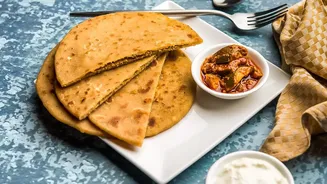
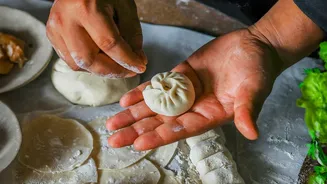
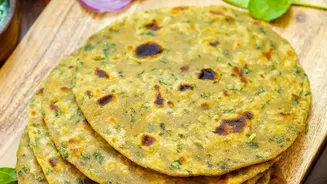
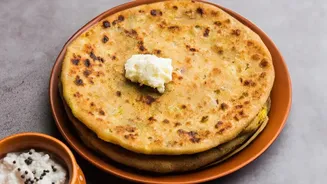
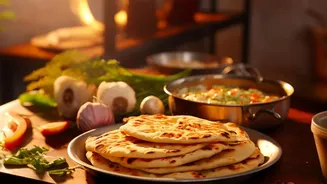
This trend isn't just about recreating the classics; it's about personalization and experimentation. Home cooks are now stuffing kulchas with a variety of creative fillings beyond the traditional potato, from paneer and onion to cheese and mixed vegetables. They are mastering the art of the laccha paratha, with its countless crispy, buttery layers, and exploring regional specialties from across India. The experimentation extends to the dough itself, with some incorporating whole wheat flour for a healthier twist on breads traditionally made with maida (refined flour). This creative freedom allows cooks to tailor breads to their own tastes, control the quality of ingredients, and put a personal stamp on a beloved culinary tradition. It signals a broader shift where the kitchen has become a space for creativity and not just obligation.