



Understanding GRAP Stage 1
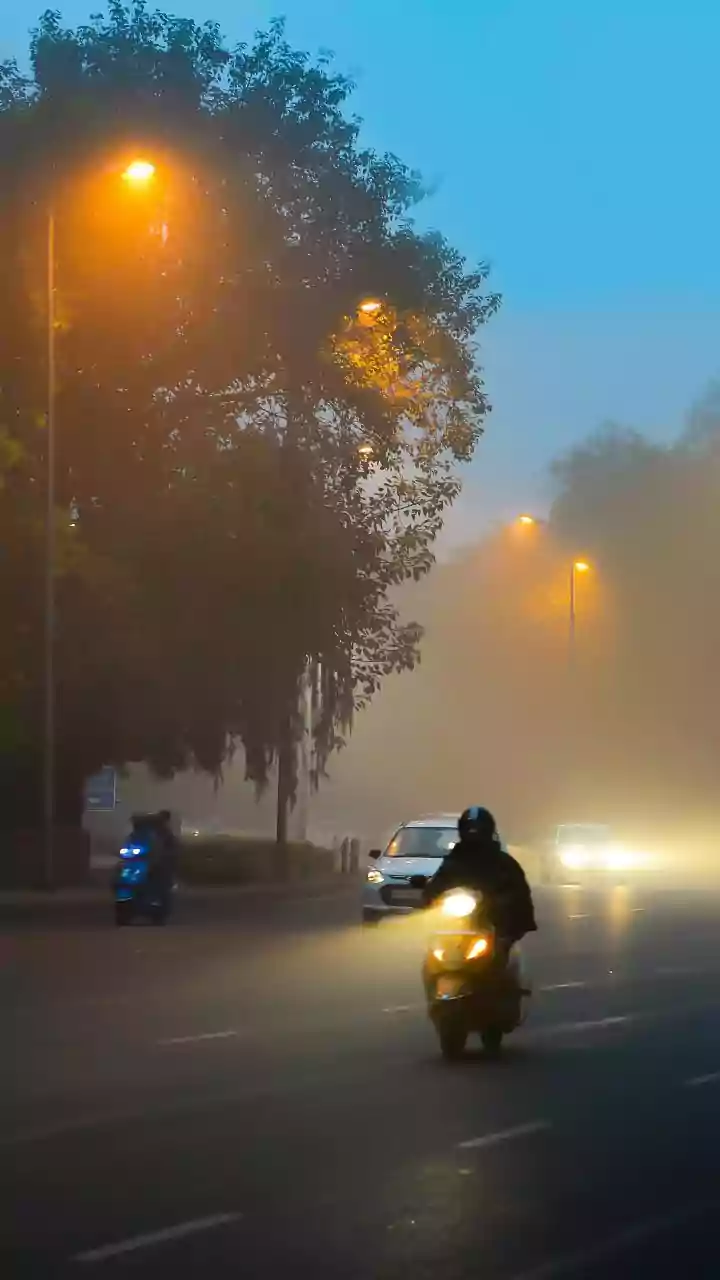
The Graded Response Action Plan (GRAP) is an emergency protocol that activates progressively stricter measures to combat air pollution in Delhi and its surrounding regions. Stage 1 is triggered when the Air Quality Index (AQI) enters the 'Poor' category
(201-300). Unlike higher stages that involve more drastic shutdowns, Stage 1 is primarily preventative. The goal is to enforce existing regulations more rigorously and implement specific curbs to stop air quality from deteriorating into 'Very Poor' or 'Severe' levels. The Commission for Air Quality Management (CAQM) invokes these measures based on current air quality and meteorological forecasts.
Construction and Demolition Rules
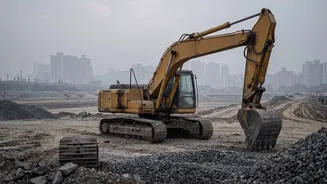
Under Stage 1, a blanket ban on all construction is not imposed. Instead, the focus is on strict compliance with dust mitigation norms. However, there is a crucial rule for larger projects: construction and demolition (C&D) activities at sites with a plot size of 500 square metres or more are not permitted if they are not registered on the government's dedicated web portal for remote monitoring. All active sites, regardless of size, must strictly adhere to dust control guidelines, which include covering all materials, using water sprinklers, and ensuring construction waste is handled according to environmental rules.
Mandatory Dust Suppression Measures
The core of GRAP Stage 1 is an intensified crackdown on dust. All construction sites are mandated to implement a series of measures. This includes the installation of anti-smog guns, particularly at larger sites. Regular water sprinkling on roads and at construction sites is required to suppress loose soil and dust. All vehicles transporting construction materials or debris must have their loads fully covered to prevent spillage. Furthermore, sites must erect windbreakers and ensure any open soil is either paved or covered with greenery. These rules apply to all projects, and enforcement is significantly stepped up during this period.
Are There Any Exemptions?
While the rules are stringent, GRAP allows for certain essential projects to continue, provided they adhere to all dust control norms. Exemptions are typically granted for critical public infrastructure projects. This includes railway services, metro rail and airport projects, national security and defence-related activities, and essential public utilities like hospitals and power transmission. However, even these exempted projects are not free from scrutiny. They are still required to implement all prescribed dust suppression measures, such as covering materials and using water sprinklers, to minimize their environmental impact.
Enforcement and Penalties for Violations
Compliance with GRAP-1 rules is not optional. The CAQM, along with state pollution control boards and municipal bodies, deploys numerous enforcement teams to conduct surprise inspections of construction sites. Violations can lead to severe consequences. Authorities have the power to impose heavy fines, which can amount to several lakhs of rupees depending on the scale of the violation, such as improperly stored construction materials. In addition to financial penalties, non-compliant sites can be issued stop-work orders until they prove that all mandatory dust control measures have been put in place and are fully functional.
Other Key Restrictions Under Stage 1
Beyond construction, GRAP-1 also targets other sources of pollution. The use of coal and firewood in tandoors at hotels and open eateries is prohibited. There are also restrictions on the use of diesel generator sets, limiting their operation to emergencies or essential services only. Authorities are also directed to intensify efforts to manage municipal solid waste, prevent the open burning of garbage, and ensure roads are mechanically swept and frequently sprinkled with water.