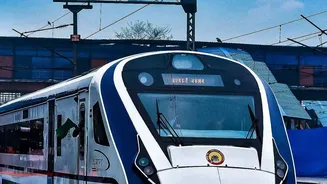




Anyone who has taken an overnight train in India knows the struggle of the berth near the coach door. A new travel video, however, is highlighting how the upcoming Vande Bharat Sleeper's design aims to solve this very common passenger complaint.
The Unwanted Wake-Up Call
For decades,
overnight train travel in India has come with an unspoken lottery. While a confirmed berth is a relief, getting one near the main entry or toilet area often means a night of broken sleep. It’s a familiar experience: the constant stream of passengers, the rattling of the door, and the bright lights from the vestibule flooding in every time someone passes through. In older AC 3-tier coaches, including those on premium trains like the Rajdhani Express, these end berths are directly exposed to the high-traffic passage, making restful sleep a significant challenge. A recent viral video from travel content creator Dhananjay Kumar has brought this common grievance back into the spotlight, contrasting it with the thoughtful new design of the Vande Bharat Sleeper.
A Simple Solution: Creating a Buffer
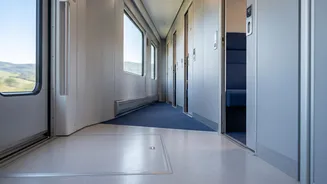
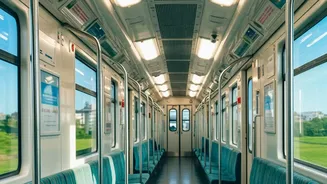
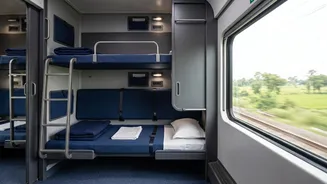
The feature getting attention isn't a high-tech gadget, but a simple and effective spatial redesign. As shown in concept videos and mock-ups, the Vande Bharat Sleeper coaches include an automatic sliding door that sections off the main cabin from the entrance vestibule. More importantly, there's a significant gap of empty space between this door and the first set of berths. This design creates a much-needed buffer zone. The sleeping area is no longer immediately adjacent to the coach's main entry and exit point. By physically separating the berths from the passage, the design aims to minimise the noise, light, and general commotion that has long plagued passengers in those less-than-desirable spots.
Rethinking Comfort from Top to Bottom
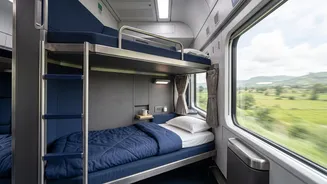
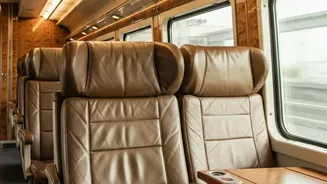
The focus on reducing disturbance is part of a broader mission to elevate the entire overnight travel experience. Another widely discussed improvement is the new ladder design for accessing the middle and upper berths. Engineers have reimagined the ladder to be less intrusive and easier to climb, with improved footing and handholds. This addresses another common pain point: the awkward and often noisy scramble to get into the upper berths at night. Beyond the ladder, the berths themselves are designed with better cushioning than their Rajdhani counterparts, and the coaches feature sensor-based ambient lighting in the aisles to provide gentle illumination without disturbing sleeping passengers. Even the wash basins are designed with anti-spill features to reduce mess and noise.
More Than Just a Quieter Ride
The Vande Bharat Sleeper is engineered to be fundamentally different from existing locomotive-hauled trains like the Rajdhani. It is a self-propelled trainset, meaning power is distributed across its coaches. This allows for much faster acceleration and deceleration, cutting down overall journey times—a key advantage for overnight routes. Passengers can also expect a smoother, jerk-free ride with better soundproofing to create a quieter cabin environment. The trains will include AC First, AC 2nd Tier, and AC 3rd Tier coaches, with a total capacity of around 823 passengers. The first prototype was manufactured by BEML in collaboration with the Integral Coach Factory (ICF), and unveiled in September 2024.
The Road Ahead for a New Era of Travel
With the first prototypes now unveiled, the Vande Bharat Sleepers are expected to undergo several months of rigorous testing before being launched for commercial service. While BEML developed the first unit, another major contract for 80 trainsets is being executed by a consortium of Titagarh Rail Systems and BHEL. These trains are expected to gradually replace Rajdhani Express rakes on major long distance routes. The goal is to set a new global standard for passenger comfort and safety in India, featuring modern interiors, showers with hot water in First AC, advanced safety systems like Kavach, and better facilities for differently abled passengers. The positive public reaction to design previews suggests a huge appetite for these upgrades, signalling a promising future for overnight rail travel in the country.